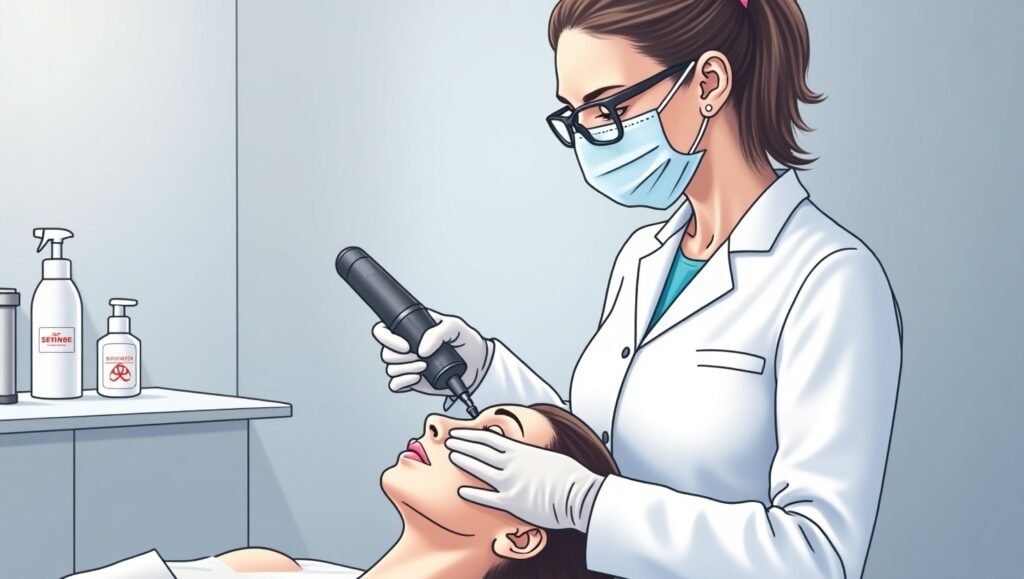
In a recent safety warning, the U.S. Food and Drug Administration (FDA) shed light on alarming complications associated with radiofrequency (RF) microneedling, a treatment often marketed for its skin rejuvenating benefits. The agency has received reports of serious adverse effects, including burns, scarring, nerve damage, fat loss, and even disfigurement. As RF microneedling devices are classified as Class II medical devices, this warning underscores significant safety concerns that patients must heed before undergoing such cosmetic procedures.
The American Academy of Dermatology (AAD) has emphasized the importance of selecting experienced professionals for RF microneedling treatments. They advocate for patients to seek care exclusively from board-certified dermatologists who possess extensive medical training and knowledge of skin anatomy. Credentials matter, especially in procedures that are not as straightforward as they might appear. With the right expertise, dermatologists are equipped to minimize risks and help patients achieve the best possible outcomes.
Given these revelations, the dialogue surrounding RF microneedling has intensified, prompting both patients and practitioners to reassess the safety protocols and qualifications of service providers. As the landscape of cosmetic treatments evolves, patient safety remains paramount. Understanding the implications of this FDA warning is critical for anyone considering RF microneedling, making informed decisions essential to safeguarding your health and appearance.
Risks of RF Microneedling and Skincare Treatment
RF microneedling, while offering potential skin rejuvenation benefits, comes with significant risks that should not be overlooked. The U.S. Food and Drug Administration (FDA) has highlighted concerns regarding the safety of RF microneedling devices, which are classified as Class II medical devices. Reports submitted to the FDA have detailed serious complications faced by patients, emphasizing the need for caution.
- Burns: One of the most immediate risks associated with RF microneedling is the potential for burns. These injuries can occur due to the heat generated during the procedure, which can damage the skin layers if not skillfully managed.
- Scarring: Improper technique or excessive penetration can also lead to scarring, which may be permanent. Scars can detract from the desired aesthetic improvements, resulting in further distress for patients.
- Fat Loss: Another alarming complication includes fat loss in the treatment area, which can alter the skin’s texture and volume, leading to an unbalanced appearance.
- Disfigurement: In severe cases, patients may experience disfigurement, which not only affects physical appearance but can also have lasting psychological impacts.
- Nerve Damage: Although rare, there are reports of nerve damage, which can manifest as numbness or pain in the treated regions. This risk underscores the importance of precise technique and understanding of facial anatomy.
Given these significant risks, it is crucial for patients to heed the FDA’s warnings when considering RF microneedling treatments. The agency has stressed the importance of having these procedures conducted by professionals with appropriate training and expertise.
The American Academy of Dermatology (AAD) strongly recommends that patients seek care exclusively from board-certified dermatologists, who possess an extensive understanding of skin structure and function. The AAD states, “Patient safety is the top priority for the AAD and its member dermatologists, who have the most extensive medical training to help avoid complications and ensure the best possible outcomes with all skin, hair, and nail procedures.”
In summary, while RF microneedling may present enticing benefits, prospective patients must prioritize safety by consulting qualified professionals who can mitigate the inherent risks. By doing so, they can enjoy the desired effects of the treatment while minimizing potential complications.
| Risks of RF Microneedling | Benefits of RF Microneedling |
|---|---|
| Burns: Potential skin damage from heat generation during the procedure. | Skin Rejuvenation: Can improve skin texture and appearance. |
| Scarring: Improper technique can lead to permanent scars. | Minimally Invasive: Offers a less invasive option compared to surgical procedures. |
| Fat Loss: Risk of losing fat in the treatment area, changing skin texture. | Collagen Stimulation: Promotes collagen production for youthful skin. |
| Disfigurement: Severe cases can result in physical alterations. | Versatile Applications: Can treat various skin issues, including wrinkles and acne scars. |
| Nerve Damage: Rare complications causing numbness or pain. | Short Recovery Time: Often allows for a quicker return to daily activities. |
Importance of Board Certification
The need for board-certified dermatologists is underscored by the potential complications associated with RF microneedling. Experienced practitioners possess the necessary training and understanding of skin anatomy to minimize risks, enabling safer procedures and better outcomes. Patients are advised to prioritize providers with appropriate credentials to ensure they receive high-quality care.
This table aims to aid patients in their decision-making process by outlining critical risks and corresponding benefits associated with RF microneedling, emphasizing the importance of professional qualifications.
The Role of Board-Certified Dermatologists in RF Microneedling
Board-certified dermatologists play a pivotal role in the administration of RF microneedling procedures, which can significantly influence both patient safety and treatment outcomes. These medical professionals have completed extensive education and training, ensuring they possess a comprehensive understanding of human anatomy, particularly the complex structure of the skin.
Understanding facial anatomy is crucial when performing RF microneedling, as it allows dermatologists to navigate the intricate layers of the skin safely, avoiding critical structures such as nerves and blood vessels. Their medical expertise enables them to assess individual patient conditions, determine optimal treatment plans, and customize techniques to minimize risks inherent in the procedure.
Many potential complications associated with RF microneedling, such as burns, scarring, nerve damage, and fat loss, can be effectively managed and mitigated by qualified practitioners. Board-certified dermatologists are trained to recognize early signs of adverse effects and have the expertise to address them promptly, thereby enhancing patient safety.
Moreover, these specialists are knowledgeable about the most current technologies and techniques in aesthetic dermatology. They continuously update their skills and knowledge through ongoing education and training, ensuring they remain well-versed in safely applying RF microneedling as well as understanding emerging trends and findings related to safety.
In summary, the involvement of board-certified dermatologists in RF microneedling procedures is essential. Their formal training, attention to detail, and commitment to patient safety elevate the standard of care in cosmetic treatments, allowing patients to achieve their desired results with the highest level of safety and precision. Thus, patients are strongly advised to seek out board-certified dermatologists for their RF microneedling treatments to ensure optimal outcomes and minimize risks.
Conclusion
In light of the FDA’s serious safety warnings surrounding RF microneedling, the necessity of seeking treatment from qualified dermatologists becomes all the more crucial. The alarming reports of complications such as burns, nerve damage, disfigurement, and other adverse effects significantly highlight the importance of practitioners’ expertise in ensuring patient safety. Board-certified dermatologists, with their extensive medical training and understanding of skin anatomy, are ideally positioned to perform such delicate procedures.
As patients consider RF microneedling for skin rejuvenation, it is imperative to prioritize not just the potential aesthetic benefits but also the safety guarantees that come with certified professionals. Only through consultation with experienced, board-certified dermatologists can individuals navigate the inherent risks of RF microneedling while maximizing desired outcomes.
Therefore, we encourage you to take the necessary step to protect your health and invest in your appearance by booking a consultation with a board-certified dermatologist today. This proactive choice ensures that you receive safe, effective care tailored to your unique skin needs, allowing you to enjoy the revitalizing effects of RF microneedling with peace of mind.
Ultimately, informed choices and professional oversight are essential in the realm of cosmetic treatments. By prioritizing safety and selecting qualified dermatologists, patients can enjoy the revitalizing effects of RF microneedling without undue risk, fostering a positive relationship with their healthcare providers and enhancing their overall treatment experience.