

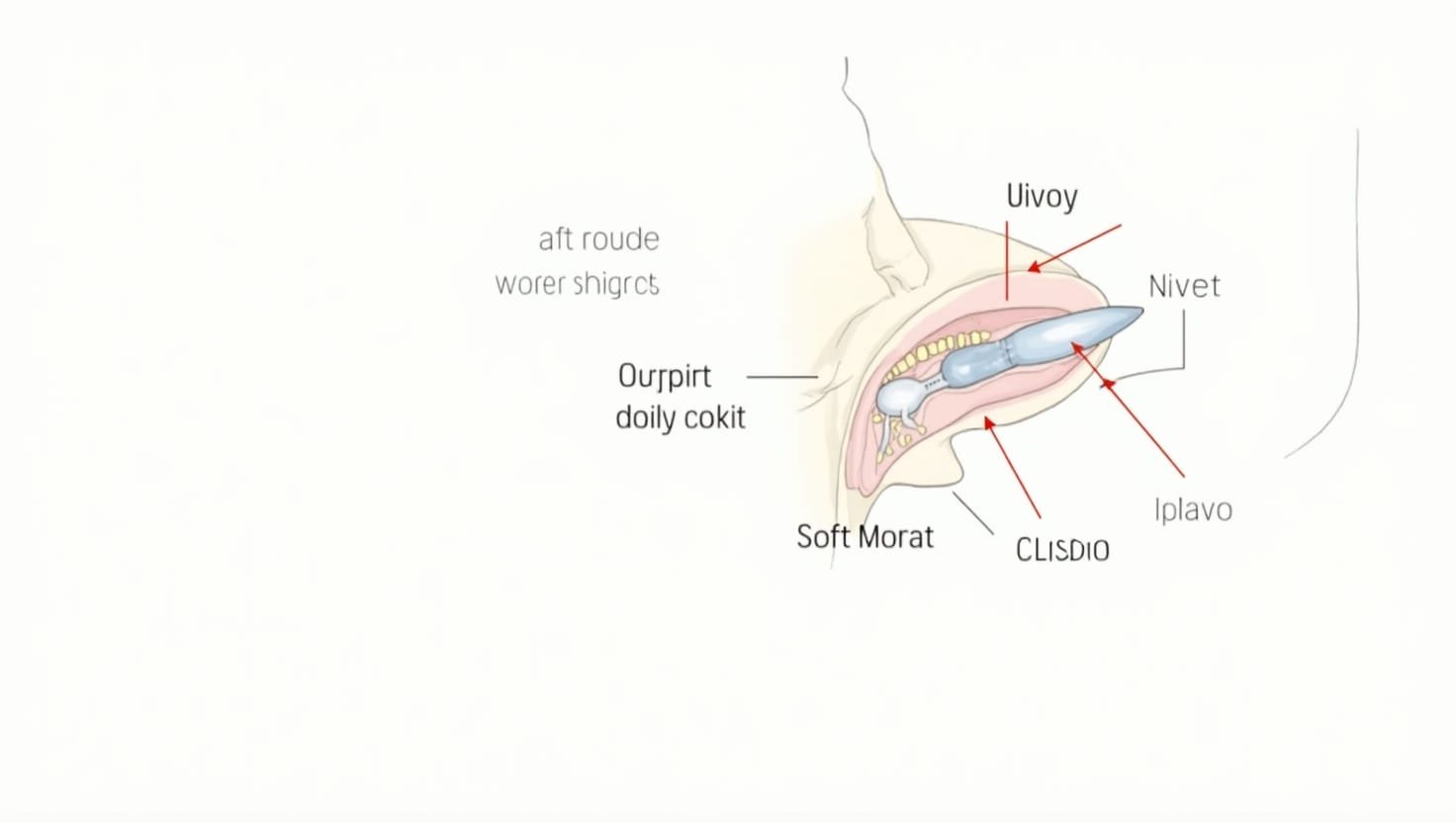
Sleep apnea is a serious sleep disorder that affects millions worldwide, characterized by repeated interruptions in breathing during sleep. One of the common surgical solutions for those unable to tolerate CPAP therapy is uvulopalatopharyngoplasty, or UPPP surgery. This procedure is designed to alleviate obstructive sleep apnea by removing or reshaping excess tissue in the throat and palate, thereby creating a wider airway for easier breathing during sleep.
For many patients, conventional CPAP therapy, while effective, can be uncomfortable and cumbersome to use each night. UPPP surgery provides an alternative that addresses the underlying anatomical issues contributing to sleep apnea, potentially leading to a more restful night’s sleep. By targeting specific airway blockages, UPPP surgery can significantly improve quality of life for individuals suffering from chronic snoring and severe sleep apnea. If you have struggled with CPAP equipment or sought effective treatment options, understanding UPPP surgery and its benefits could be the key to achieving better sleep and overall health.
Benefits of UPPP Surgery as a Key Sleep Apnea Treatment
UPPP surgery is specifically designed to treat obstructive sleep apnea (OSA) by removing excess tissue from the throat and palate. This surgery offers several benefits that significantly enhance the quality of life for patients experiencing severe sleep apnea.
Alternative to CPAP
Many individuals who struggle with OSA often find that traditional treatments, such as CPAP therapy, do not provide satisfactory relief or are intolerable. UPPP surgery stands out as a viable CPAP alternative by directly addressing the anatomical issues contributing to sleep apnea. As noted, “UPPP offers several potential benefits for individuals who struggle with sleep apnea or chronic snoring.”
Improved Sleep Quality
One of the most significant advantages of UPPP surgery is the improvement it brings to sleep quality. By effectively removing obstructions in the airway, patients frequently notice a marked reduction in nighttime breathing interruptions. This leads to more restorative sleep cycles and can translate to higher energy levels during the day, enhanced focus, and an improved mood overall.
Reduction in Snoring
Furthermore, UPPP surgery is known for its ability to significantly reduce loud snoring—a common concern not just for those with sleep apnea, but also for their partners. Patients often report experiencing a substantial decrease in snoring post-surgery, fostering a more peaceful sleep environment for everyone involved.
Health Benefits Beyond Sleep
The health benefits of UPPP extend beyond just improved sleep. Effective management of OSA through surgical options like UPPP can reduce related health risks, such as hypertension, heart disease, and diabetes. Better breathing during sleep not only aids metabolic functions but can also improve overall cardiovascular health. Therefore, opting for UPPP surgery can be a transformative step for individuals looking to reclaim their health and improve their quality of life.
Healthcare professionals emphasize that making informed decisions about sleep health is crucial. Recognizing that surgical options exist offers hope to many suffering from these conditions.

Effectiveness of UPPP Surgery
Uvulopalatopharyngoplasty (UPPP) is often considered when patients struggle with continuous positive airway pressure (CPAP) therapy, which many find uncomfortable or intolerable. UPPP directly addresses the anatomical causes of obstructive sleep apnea (OSA) by removing excess tissue in the throat to create a wider airway. The effectiveness of UPPP is supported by various studies, providing insight into its long-term success rates.
A 2019 meta-analysis highlighted that UPPP could lead to a significant reduction in the apnea-hypopnea index (AHI), decreasing on average by 15.4 events per hour or 46.1%. Initial short-term success rates are very promising, up to 67.3%, but they drop to approximately 44.35% for long-term outcomes. Factors like baseline body mass index (BMI) and oxygen saturation can influence these success rates [Otolaryngology – Head & Neck Surgery].
Further stratification using the Friedman staging system reveals even more distinct success rates: stage I patients experience about 80.6% success, while those in stage II and III have rates of 37.9% and 8.1%, respectively [emedicine.medscape.com]. Long-term studies show approximately two-thirds of patients maintain significant improvements, particularly in reducing excessive daytime sleepiness and achieving better overall satisfaction with sleep quality [PubMed].
Combining UPPP with additional procedures, such as hyoid suspension, can further increase success rates from 35% to 76.9%, highlighting the potential benefits of targeting multiple anatomical sites [PMC].
In conclusion, while UPPP surgery represents an effective alternative treatment for OSA, particularly for those unable to tolerate CPAP, success greatly depends on patient selection and the severity of the disorder. This innovative surgery can offer hope and improved quality of life for many patients seeking relief from sleep apnea symptoms.
| Aspect | UPPP Surgery | CPAP Therapy |
|---|---|---|
| Effectiveness | Significant improvement in sleep apnea symptoms; effective for anatomical issues. | Effective in reducing apnea-hypopnea index; success varies by patient. |
| Comfort | Invasive procedure; recovery time involved. | Generally comfortable; requires nightly use. |
| Recovery Time | Lengthy recovery with potential discomfort following surgery. | No recovery time; immediate use after prescription. |
| Long-term Results | About 44.35% long-term success; varies by patient. | High effectiveness if used consistently. |
| Lifestyle Change | Permanent change; no need for nightly equipment. | Requires commitment to use CPAP each night. |
| Snoring Reduction | Often leads to significant reduction in snoring. | May help with snoring, but effectiveness varies. |
Patient Testimonials Regarding UPPP Surgery
Introduction to the Problem:
For many patients suffering from obstructive sleep apnea (OSA), CPAP therapy represents the first line of treatment. However, the reality is that numerous individuals struggle with the discomfort and inconvenience of wearing a CPAP mask nightly. One patient, Sarah, recounted, “Each night felt like a battle trying to get comfortable. The mask would shift, and I often woke up feeling as exhausted as when I went to sleep. The quality of my sleep was severely compromised.”
Decision for Surgery:
After realizing that CPAP was not a sustainable solution, Sarah began researching alternatives and discovered UPPP surgery. “I discussed my frustrations with my doctor who explained UPPP. The idea of finally sleeping soundly without the mask was tempting, but I was nervous about undergoing surgery,” she shared. Ultimately, the desire for a restful night’s sleep motivated her to proceed, leading her to feel hopeful about her decision.
Experience of the Surgery:
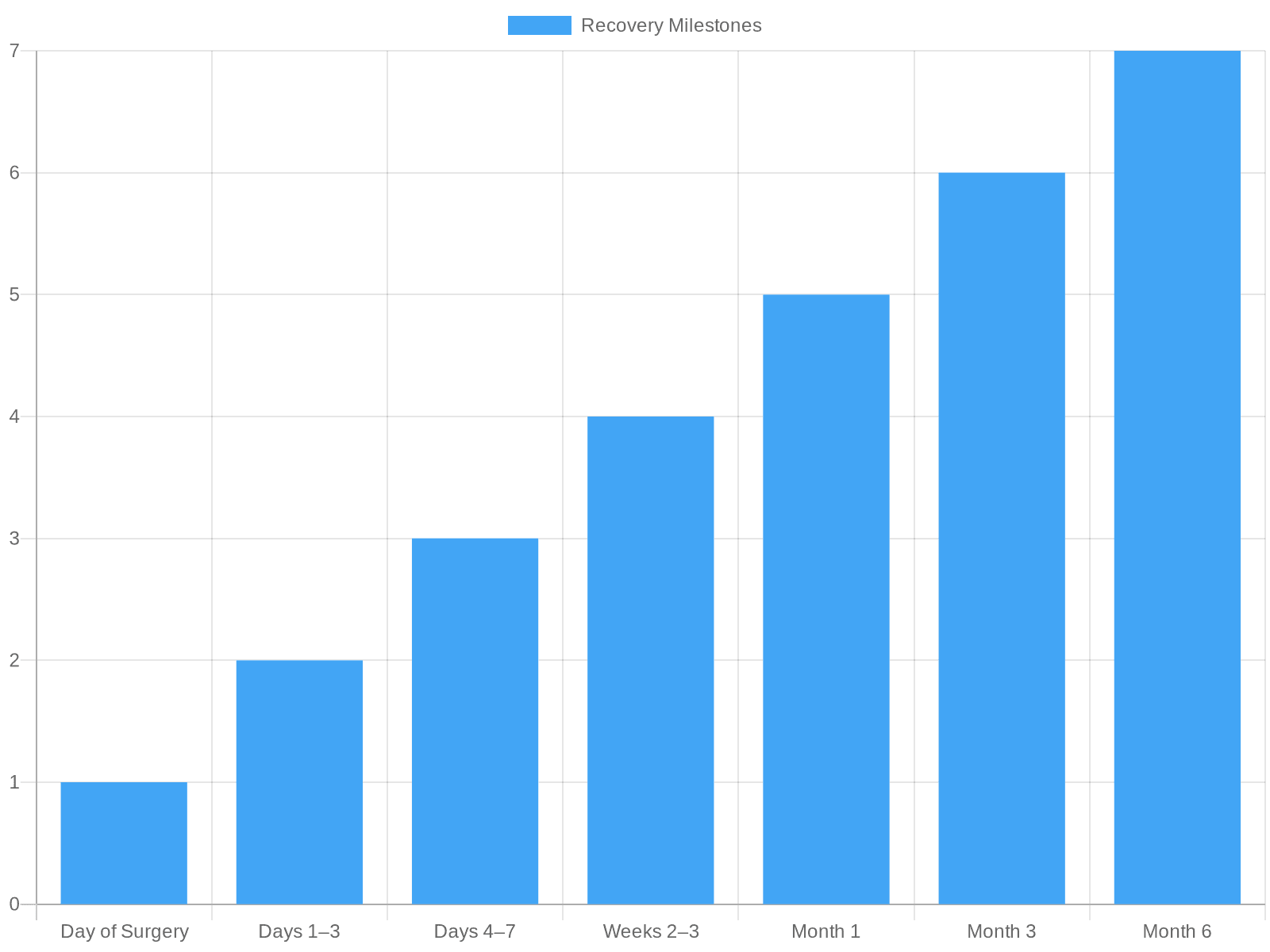
The day of surgery arrived, and although initially anxious, Sarah found comfort in her surgeon’s reassurances. She described the procedure as straightforward and emphasized that the recovery process, although tough due to some discomfort, was manageable. “They gave me good pain management guidance, and I felt more secure knowing I was on the right path to better sleep.”
Positive Changes Post-Surgery:
The true transformation came after the recovery period. “Fast forward to weeks post-surgery, I was astonished at how much better I felt. I could finally sleep through the night without interruptions, something I hadn’t experienced in years!” Sarah’s stories of her newfound energy and motivation resonated as she relished life with fewer restrictions—she also reported significant improvement in her snoring, allowing her partner to enjoy peaceful nights too.
Overall Sentiment:
Reflecting on her journey, Sarah expressed, “I would encourage anyone who’s tired of CPAP to look into UPPP. It changed my life! While each person’s journey may differ, it’s given me hope and a second chance at restful sleep, which is priceless.”
These testimonials underscore a common thread among many who have transitioned from CPAP therapy to surgical solutions like UPPP surgery, highlighting how this procedure can lead to significant improvements in quality of life, sleep health, and overall well-being.
Conclusion
Choosing the right treatment for obstructive sleep apnea (OSA) can be a daunting task, especially for those who struggle with the discomfort of continuous positive airway pressure (CPAP) therapy. Uvulopalatopharyngoplasty (UPPP) surgery represents a promising alternative for patients looking for lasting improvement in their sleep quality. It offers significant benefits, such as a reduction in nighttime breathing interruptions, improved sleep cycles, and a decrease in chronic snoring, leading to a more restful environment for both patients and their partners.
UPPP surgery effectively removes anatomical obstructions in the throat that contribute to OSA, allowing for a wider airway and fostering better breathing during sleep. Many individuals who have undergone this procedure report heightened energy levels during their waking hours and an overall enhancement in their quality of life. With the potential to reduce health risks associated with untreated sleep apnea, opting for UPPP can be a transformative choice for those weighed down by the symptoms of OSA.
If you currently find yourself struggling with CPAP or dissatisfied with your sleep quality, it is essential to explore all your options. UPPP surgery may well be the solution you have been looking for. Remember, “If you struggle with OSA or simply have questions about how our team may be able to help you, we are ready to talk!” Take charge of your sleep health today, and consider UPPP surgery as a viable pathway to a more restful night’s sleep and overall improved well-being.
Bridging Data and Experience
Having explored the effectiveness of UPPP surgery through research and statistical evidence, it’s essential to connect these findings to the tangible experiences of individuals who have undergone this procedure. The journey of patients who have transitioned from battling sleep apnea with CPAP therapy to opting for UPPP surgery illustrates the profound impact these surgical outcomes can have on everyday life. Let us hear directly from those whose lives have changed thanks to this innovative treatment.
