
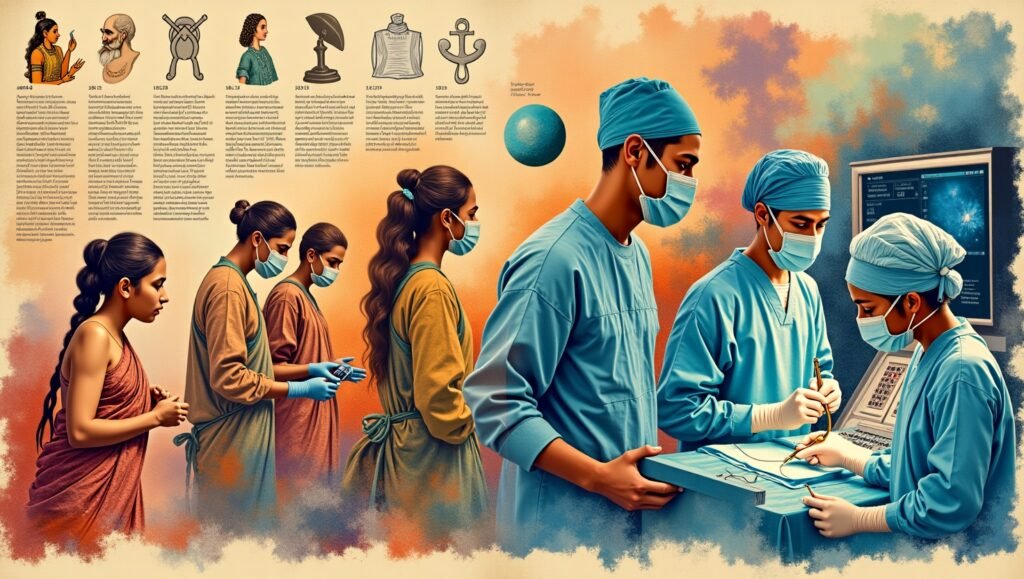
Rhinoplasty, widely known as nasal surgery or nose reshaping, has roots that delve back to ancient civilizations, with key contributions from Sushruta, considered the father of plastic surgery, who lived around 600 BCE. The techniques and knowledge developed in rhinoplasty not only served cosmetic purposes in aesthetic surgery but also played a vital role in reconstructive surgery for injuries and deformities.
Understanding the history of rhinoplasty reveals its evolution alongside changing beauty standards and medical advancements. For centuries, cultures worldwide have sought ways to enhance nasal appearance or restore function, adapting approaches as medical knowledge grew. The 19th century marked a pivotal point, with the first closed rhinoplasty performed in 1887, laying the groundwork for modern techniques.
Innovations in the 20th and 21st centuries have propelled nasal surgery to become one of the most sought-after cosmetic procedures, focused on achieving aesthetic results while ensuring functional outcomes. This blog post will explore the fascinating journey of rhinoplasty, uncovering how ancient methods have influenced modern practices and patient experiences in nose reshaping and aesthetic surgery.
Ancient Rhinoplasty: The Contributions of Sushruta
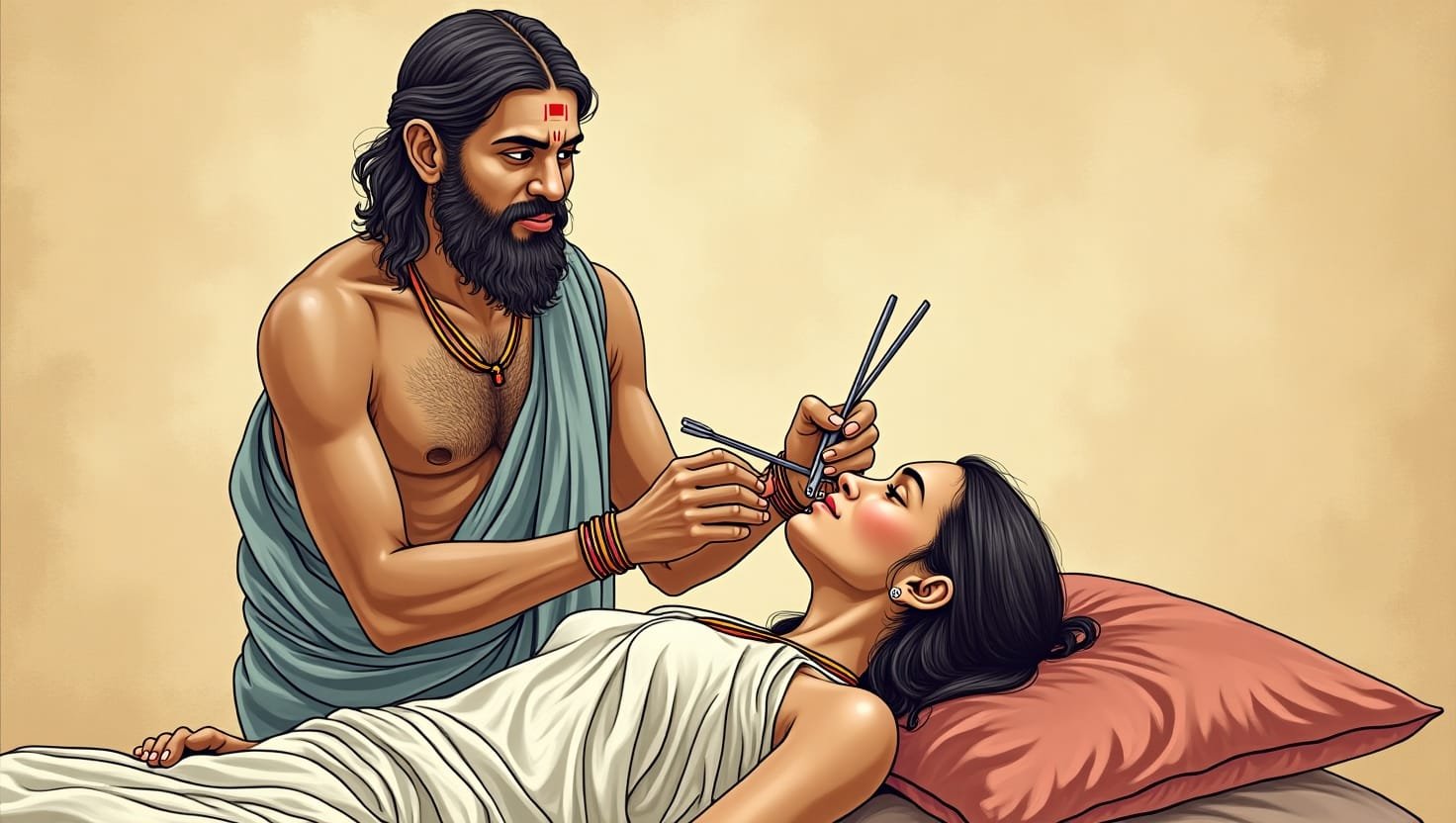
The practice of rhinoplasty can be traced back to ancient civilizations, with remarkable contributions from the Indian physician Sushruta, who lived around 600 BCE. Often hailed as the father of plastic surgery, Sushruta’s seminal work, the Sushruta Samhita, is a comprehensive text that details various surgical techniques, including those for reconstructing the nose. His innovative methods have significantly influenced the trajectory of surgical practices in both ancient and modern contexts.
Sushruta advocated for rhinoplasty primarily to address injuries sustained in battles and to rectify congenital deformities. He understood the importance of the nose, not only as a feature of beauty but also as a vital component of function and identity. One of his revolutionary techniques involved the “pedicle flap” method, which utilized skin from the forehead to reconstruct the nose. In this procedure, the skin was meticulously cut, leaving one end attached to the forehead to maintain blood supply, thereby ensuring the graft’s viability during healing.
Furthermore, Sushruta’s work underscored a deep understanding of anatomy and the necessary precision required in surgery. He was one of the first to categorize surgical procedures and to include in-depth instructions about sanitation and post-operative care. His famous quote reflects his philosophy: “He who knows the art of surgery finds protection and safety in the health of men.” This illustrates his recognition of the profound impact of surgical practices on restoring not just physical form but also individual dignity.
The techniques developed by Sushruta laid a solid foundation for future advancements in plastic and reconstructive surgery. His principles and innovations were preserved through various translations and adaptations over the centuries, influencing surgical practices far beyond India. Today, many modern techniques in rhinoplasty owe their philosophical and procedural origins to the pioneering work of Sushruta, emphasizing how ancient methods continue to resonate in contemporary medical practices.
In summary, the contributions of Sushruta to the field of rhinoplasty reflect not only his surgical ingenuity but also his profound understanding of the human condition, ensuring his techniques remain relevant even in modern times.
The Evolution of Rhinoplasty in the 19th Century
The 19th century marked a significant turning point in the field of rhinoplasty, characterized by pioneering advancements and the establishment of crucial techniques that continue to shape facial plastic surgery today. It was during this era that a transformation occurred, shifting from Sushruta’s ancient methods to innovative practices that prioritized minimally invasive approaches.
One of the most notable advancements was the advent of closed rhinoplasty, a revolutionary approach that reduced scarring and enhanced aesthetic outcomes.
In 1887, Dr. John Orlando Roe, an American otolaryngologist, performed the first modern endonasal (closed) rhinoplasty. He sought to correct nasal deformities, specifically the “pug nose,” using techniques that involved making incisions within the nostrils. This method allowed for direct access to the nasal structure without visible external scars, a significant improvement over previous procedures.
Roe documented his findings comprehensively in his publication, “The Deformity Termed ‘Pug Nose’ and Its Correction by a Simple Operation.” His innovative approach did not just focus on correcting flaws; it balanced aesthetic enhancement with functional restoration. By minimizing external scars, Roe set new standards in cosmetic surgery, emphasizing that nasal surgeries could be performed discreetly while still achieving effective results.
Following Roe, the field expanded further with contributions from other notable surgeons. In 1898, German surgeon Jacques Joseph began refining the methods for nose reductions via external access while simultaneously developing techniques for intranasal corrections. His systematic approaches contributed significantly to the proliferation of closed rhinoplasty techniques.
In addition to these innovations, the growing understanding of nasal anatomy and surgical precision during this time fostered broader acceptance of rhinoplasty as a viable option for individuals seeking both reconstructive and aesthetic changes.
Overall, the advancements in rhinoplasty during the 19th century laid the groundwork for contemporary practices, emphasizing the importance of minimally invasive procedures in aesthetic surgery. The shift towards closed rhinoplasty techniques represented a crucial evolution in the surgical treatment of nasal deformities, paving the way for modern facial plastic surgeons to combine artistry with medical precision in their practice.
| Aspect | Closed Rhinoplasty | Open Rhinoplasty |
|---|---|---|
| Procedure Type | Incisions are made inside the nostrils | Incisions made across the columella (the skin between nostrils) |
| Benefits | Minimal scarring, quicker recovery, less swelling | Greater visibility and access to nasal structures for more complex corrections |
| Drawbacks | Limited access for detailed work, may not suit all cases | More visible scars, longer recovery time |
| Typical Recovery Time | 1 to 2 weeks | 2 to 3 weeks |
The Evolution of Rhinoplasty in the 20th Century
Throughout the 20th century, rhinoplasty experienced significant advancements in anesthesia, technology, and surgical precision, transitioning from primarily reconstructive procedures to widely accepted cosmetic surgeries.
Advancements in Anesthesia and Surgical Techniques
In the early 1900s, surgeons Freer and Killian developed the submucous resection septoplasty to correct deviated septa. This procedure involved lifting mucoperichondrial tissue flaps and making precise incisions to adjust the cartilaginous and bony septum, maintaining structural support with small margins at the dorsum and caudad. This technique became the standard for septal correction.
In 1921, Aurel Rethi introduced an open rhinoplasty approach by making an incision on the columella, providing better access to the nasal tip for more precise modifications. This innovation allowed surgeons to achieve more refined aesthetic outcomes.
The mid-20th century saw the development of the “open” rhinoplasty technique, which involves making an incision on the columella (the strip of tissue between the nostrils) in addition to the incision inside the nose. This method allows for greater visibility and precision during the surgery.
Technological Innovations
The latter half of the 20th century introduced technological advancements that enhanced surgical precision. The use of 3D imaging and simulation allowed surgeons to create detailed models of a patient’s nose, facilitating precise planning and communication of expected outcomes. This technology significantly improved the preoperative experience and helped align patient expectations with realistic results.
Rise of Cosmetic Procedures
Post-World War II prosperity and the rise of movies and television increased the popularity of cosmetic surgery, including rhinoplasty. The 1920s saw the first modern rhinoplasty, and by the 1930s, the first public face-lift was performed. These developments marked the beginning of aesthetic rhinoplasty becoming more mainstream.
Notable Figures in Rhinoplasty
Dr. Wilfred S. Goodman was a prominent figure in the mid-20th century who advocated for the open rhinoplasty approach, emphasizing the benefits of increased visibility and precision during surgery.
Dr. Gary Wiesman, a double board-certified facial plastic surgeon, has been recognized for his outstanding surgical technique and artistry for over 25 years. He specializes in rhinoplasty, revision rhinoplasty, ethnic rhinoplasty, and other facial procedures. In 2016, Dr. Wiesman was named a Top Beauty Doctor by New Beauty.
These advancements and contributions have collectively shaped modern rhinoplasty, making it a precise and widely accepted procedure for both functional and aesthetic improvements.

Conclusion: Embracing the Legacy of Rhinoplasty
Rhinoplasty, a procedure with roots extending over two millennia, showcases a remarkable journey from its ancient origins to modern medical practice. The contributions of historical figures like Sushruta have established a profound understanding of both anatomy and the delicate relationship between form and function. His advancements laid the groundwork for what would evolve into a sophisticated field of cosmetic and reconstructive surgery.
Throughout the 19th century, the first closed rhinoplasty marked a crucial shift in surgical techniques, emphasizing artistry alongside medical precision. As we entered the 20th century, innovation continued at an unprecedented pace, with the introduction of open rhinoplasty and technological advancements that transformed patient experiences and outcomes.
Understanding the historical context of rhinoplasty not only enriches our appreciation of this intricate surgery but also provides reassurance to those considering the procedure today. The continuous evolution reflects a commitment to enhancing not only appearance but also the quality of life for patients. As surgical techniques become more refined and patient-centered, rhinoplasty remains a blend of art and science, promising both aesthetic satisfaction and functional integrity. For anyone contemplating this journey, the legacy of rhinoplasty affirms that with the right knowledge and skilled hands, a transformation is not merely achievable but also a celebrated part of human experience.
Expert insights further illuminate the profound emotional effects of rhinoplasty. Dr. Masoud Saman notes, “The nose is more than a physical feature—it is deeply connected to identity, culture, personal history, and, for some, emotional trauma.” This highlights how patients often seek to align their external appearance with their internal self-perception.
Dr. Justin Cohen echoes this sentiment, saying, “Improved self-esteem and heightened confidence are often remarkable transformations accompanying your physical changes.” He acknowledges the emotional journey around surgery: “Leading up to surgery, emotions run high. You might feel excitement, anxiety, even doubt—all at once.”
Moreover, Dr. Sean Weiss addresses the post-operative emotional landscape, stating, “After surgery, it’s common to feel unsure, especially during the first few weeks when swelling hides your results. That can trigger unexpected emotions—frustration, sadness, even regret. These feelings usually pass as healing progresses and your new look reveals itself.”
The blending of surgical advancements with the emotional and psychological dimensions associated with rhinoplasty creates a rich tapestry for prospective patients. It underscores the importance of not just viewing rhinoplasty as a clinical procedure but recognizing it as a transformative experience that intertwines medical expertise with deeply personal motivations and aspirations.
