
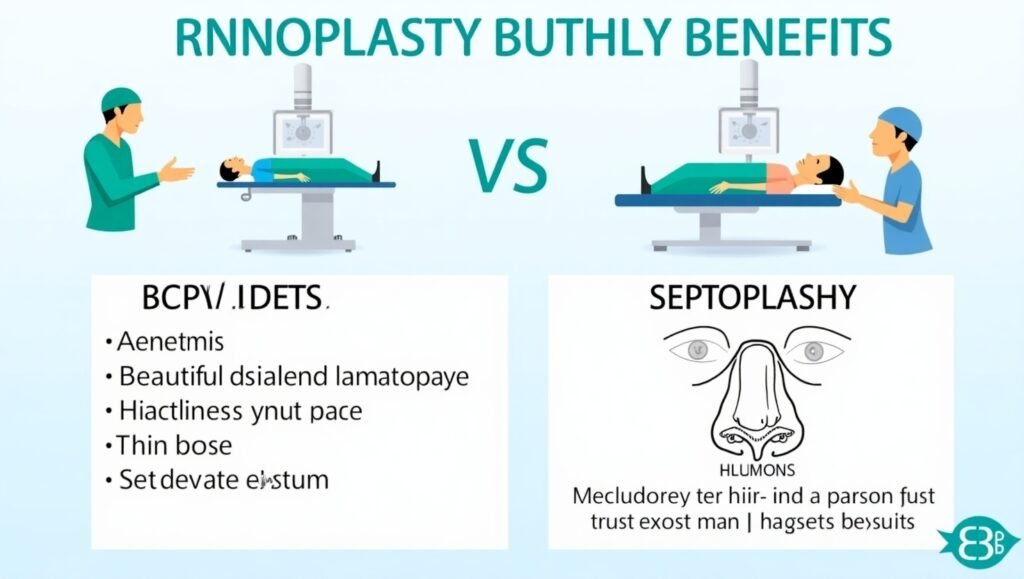
Navigating the world of nose jobs, or rhinoplasty and septoplasty, can be daunting, especially when it comes to understanding insurance coverage. These procedures serve a dual purpose: enhancing the aesthetic appeal of your nasal structure while also improving functionality, particularly for those with nasal obstructions or other medical concerns.
If you’re considering surgery, you may find yourself grappling with anxiety over the costs involved and how your medical insurance might come into play. Will your insurance cover the procedure costs? Will you have to bear the financial burden alone for what you see as a cosmetic change? While rhinoplasty is primarily viewed as an elective surgery, septoplasty may be deemed medically necessary if a deviated septum is involved, potentially opening doors for insurance coverage.
This article delves deep into the balance between aesthetics and functionality that these procedures offer while addressing the common concerns surrounding costs and insurance reimbursements. We aim to provide clarity on what you can expect regarding insurance coverage, helping you feel more informed and empowered as you consider this life-changing decision. Let’s explore the options available to you and ease those financial worries, so you can focus on your journey towards a more fulfilled self.
Understanding Rhinoplasty and Septoplasty
When considering procedures for reshaping your nose, it is important to understand the differences and purposes of rhinoplasty and septoplasty. Here’s a breakdown of the two:
Rhinoplasty
- Purpose: Primarily cosmetic, rhinoplasty reshapes the nose to enhance its appearance.
- Common Issues Addressed: It can correct asymmetry, reshape the tip or bridge, or improve the size proportionate to the face.
- Insurance Coverage: Typically considered elective, insurance rarely covers rhinoplasty unless it results from significant trauma or an accident.
Septoplasty
- Purpose: A functional procedure, septoplasty corrects a deviated septum—the cartilage and bone structure that separates the nostrils.
- Common Issues Addressed: This surgery aims to alleviate breathing difficulties, chronic sinusitis, or other nasal obstructions caused by septal deviation.
- Insurance Coverage: Septoplasty may be covered by medical insurance if the deviated septum leads to significant medical issues, requiring documentation of symptoms and functional impairment from a healthcare provider.
Conclusion
Understanding these distinctions is crucial when considering the financial implications and insurance benefits of each procedure. If you are experiencing breathing issues due to a deviated septum, septoplasty might be the right choice, and you may have more options for financial assistance through insurance. For cosmetic improvements, rhinoplasty offers aesthetic solutions but requires a different approach to financial planning.
Before proceeding, always consult with a qualified facial plastic surgeon to discuss your options, the expected outcomes, and insurance considerations relevant to your specific case.
| Symptoms Addressed | Rhinoplasty | Septoplasty |
|---|---|---|
| Breathing Difficulties | Rarely addresses | Primarily addresses |
| Chronic Sinus Issues | Rarely addresses | Primarily addresses |
| Nasal Obstruction | Limited effectiveness | Significant effectiveness |
| Aesthetic Concerns | Primarily addresses | Rarely addresses |
| Correction of Asymmetry | Primarily addresses | Rarely addresses |
| Factor | Rhinoplasty | Septoplasty |
|---|---|---|
| Medical Necessity | Rarely covered unless due to trauma/pub | Typically covered if there is medical need |
| Average Cost | $5,000 – $15,000 | $3,000 – $10,000 |
| Coverage Percentage | Often 0% (rare), might be 50% in specific cases | Approximately 50% to 100% if deemed necessary |
| Documentation Required | Extensive documentation needed for coverage | Medical documentation of symptoms required |
| Factor | Rhinoplasty | Septoplasty |
|---|---|---|
| Medical Necessity | Rarely covered unless due to trauma/pub | Typically covered if there is medical need |
| Average Cost | $5,000 – $15,000 | $3,000 – $10,000 |
| Coverage Percentage | Often 0% (rare), might be 50% in specific cases | Approximately 50% to 100% if deemed necessary |
| Documentation Required | Extensive documentation needed for coverage | Medical documentation of symptoms required |
| Factor | Rhinoplasty | Septoplasty |
|---|---|---|
| Medical Necessity | Rarely covered unless due to trauma/pub | Typically covered if there is medical need |
| Average Cost | $5,000 – $15,000 | $3,000 – $10,000 |
| Coverage Percentage | Often 0% (rare), might be 50% in specific cases | Approximately 50% to 100% if deemed necessary |
| Documentation Required | Extensive documentation needed for coverage | Medical documentation of symptoms required |
| Factor | Rhinoplasty | Septoplasty |
|---|---|---|
| Medical Necessity | Rarely covered unless due to trauma/pub | Typically covered if there is medical need |
| Average Cost | $5,000 – $15,000 | $3,000 – $10,000 |
| Coverage Percentage | Often 0% (rare), might be 50% in specific cases | Approximately 50% to 100% if deemed necessary |
| Documentation Required | Extensive documentation needed for coverage | Medical documentation of symptoms required |
Medical Necessity for Insurance Approval
To obtain insurance approval for nose job procedures, particularly those related to functional impairments, it is vital to understand medical necessity. This term refers to services or procedures considered essential for diagnosing or treating a medical condition. When it comes to nose jobs, the focus often centers on issues like a deviated septum, which can result in problems like obstructed breathing and recurrent sinus infections.
Deviated Septum and Its Impact
A deviated septum occurs when the cartilage and bone separating the nasal passages are misaligned, hindering airflow and causing various complications. Patients who experience significant breathing difficulties may find that septoplasty—a surgery aimed at correcting the deviated septum—qualifies as medically necessary. Generally, insurance coverage leans toward addressing these functional issues rather than cosmetic concerns, making it more likely for septoplasty to receive approval when sufficient health complications are demonstrated.
Typically, insurance companies require thorough documentation from healthcare providers, including medical history and evidence supporting the necessity of the surgery. This documentation should clearly indicate how the deviated septum contributes to health issues like chronic sinusitis or breathing difficulties, rather than being solely for cosmetic improvement.
Coverage for Other Situations
While typical rhinoplasty is classified as an elective procedure with limited insurance coverage, cases may arise where it is eligible for coverage. If a patient suffers significant trauma to the nose that affects both appearance and function, there may be grounds for insurance intervention. In such scenarios, comprehensive medical documentation confirming the extent of the injury and how the surgery would restore function and repair the appearance becomes essential.
Prospective patients should engage with both their healthcare providers and insurance representatives to clarify coverage options. Communicating clearly about the medical issues involved and the expected benefits of the surgery increases the likelihood of obtaining approval.
Ultimately, patients should ensure that any surgical intervention addresses both their medical and aesthetic needs while navigating the complexities of insurance coverage for treatments aimed at resolving functional problems.
Differences Between Rhinoplasty and Septoplasty
Understanding the nuances between rhinoplasty and septoplasty is vital for anyone considering these procedures. Each serves distinct purposes and addresses different issues. Here’s a detailed comparison:
Rhinoplasty
- Purpose: Primarily aesthetic, rhinoplasty is designed to enhance the appearance of the nose.
- Common Issues Addressed: It targets cosmetic concerns such as size, shape, asymmetry, and proportions related to facial features. Depending on individual needs, rhinoplasty might involve reshaping the bridge, altering the tip, or reducing the size of the nose.
- Insurance Coverage: Typically categorized as an elective or cosmetic procedure, rhinoplasty is seldom covered by insurance. Exceptions can occur if reconstructive surgery follows a traumatic injury, where the procedure helps restore both function and appearance.
Septoplasty
- Purpose: This is a functional surgery aimed to correct a deviated septum—the wall separating the nasal passages.
- Common Issues Addressed: Septoplasty is performed to relieve breathing difficulties associated with a deviated septum. It’s primarily focused on improving nasal airflow and preventing chronic sinus problems. The intent here is medical rather than cosmetic.
- Insurance Coverage: In contrast with rhinoplasty, septoplasty often qualifies for insurance coverage as it addresses a medical need. Patients must provide documentation demonstrating that they have significant functional impairments caused by their nasal structure—this can include obstructed breathing or recurrent infections.
When to Consider Each Procedure
- Rhinoplasty is appropriate for patients seeking changes in the nose’s external appearance for aesthetic reasons. If you are unhappy with how your nose looks and it impacts your self-esteem, this might be the route to take.
- Septoplasty, on the other hand, is indicated when you are experiencing physical symptoms such as difficulty in breathing, frequent sinus infections, or other complications due to a deviated septum. This procedure is typically recommended when these issues affect your quality of life.
Conclusion
Knowing the differences between rhinoplasty and septoplasty can help you make an informed decision about which procedure best meets your needs, both aesthetically and functionally. Always consult with a qualified facial plastic surgeon to evaluate your specific situation and discuss the potential insurance implications involved with each type of surgery.
Conclusion
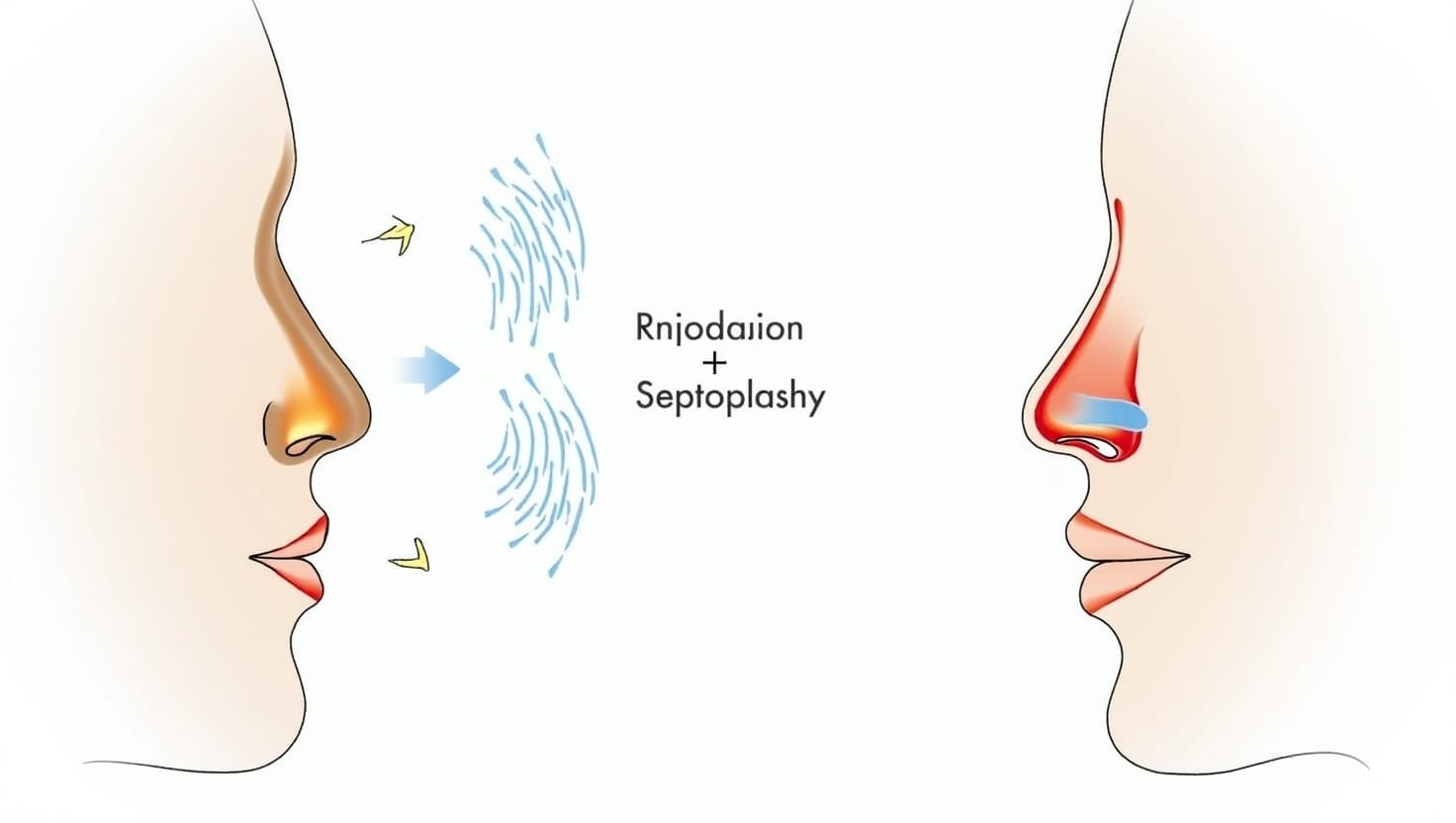
As you navigate the world of rhinoplasty and septoplasty, it is essential to understand the key differences between the two procedures and the implications for insurance coverage. Rhinoplasty, typically considered an elective cosmetic procedure, may not receive insurance coverage unless there are extenuating circumstances, such as trauma leading to functional impairments. In contrast, septoplasty often qualifies for coverage due to its medical nature, addressing issues such as a deviated septum that significantly impacts breathing and overall quality of life.
Both procedures carry visual and functional benefits that can improve patients’ lives, whether through aesthetic enhancement or relief from breathing difficulties. By educating yourself about the options available regarding coverage, you can approach your journey with confidence.
It is vital to gather comprehensive documentation from your healthcare providers that articulates the medical necessity of your procedure. Engaging in open conversations with both your surgeon and your insurance company will empower you to maximize your benefits effectively.
Take heart in knowing that while the financial aspect may seem daunting, understanding your insurance options can pave the way for achieving a healthier and more satisfying outcome. You have the power to make informed choices about your health and appearance, ultimately steering your path to wellness and self-enhancement. Don’t hesitate to seek help from professionals who can guide you through the complexities of insurance coverage and the treatment choices available to you.
Insurance Resources for Nose Surgery Coverage
For readers looking for reliable information on insurance coverage for rhinoplasty and septoplasty, the following authoritative resources provide comprehensive details:
-
Cigna Healthcare
Cigna’s medical coverage policy states that rhinoplasty and septoplasty are considered medically necessary when performed to correct significant functional impairments, such as nasal airway obstruction due to trauma or congenital defects. Cosmetic procedures are typically not covered. -
MassHealth Enrollment Center
MassHealth outlines guidelines for medical necessity determinations for rhinoplasty and septoplasty, emphasizing coverage for procedures addressing functional impairments, while cosmetic surgeries are generally excluded. -
Commonwealth Care Alliance
Their medical necessity guidelines state that cosmetic rhinoplasty and septoplasty performed solely to enhance appearance are not covered. However, coverage may be available for reconstructive procedures correcting conditions causing breathing difficulties. -
ProMedica Toledo Hospital
ProMedica’s medical policy indicates that rhinoplasty, considered a cosmetic procedure, is generally not covered. Conversely, there may be coverage when it corrects nasal deformities secondary to congenital conditions.
These resources offer insight into coverage policies based on the medical necessity of the procedures, helping patients understand their options better when considering a nose job.
For further details, patients should consult their specific insurance providers and discuss coverage eligibility with healthcare professionals.
