
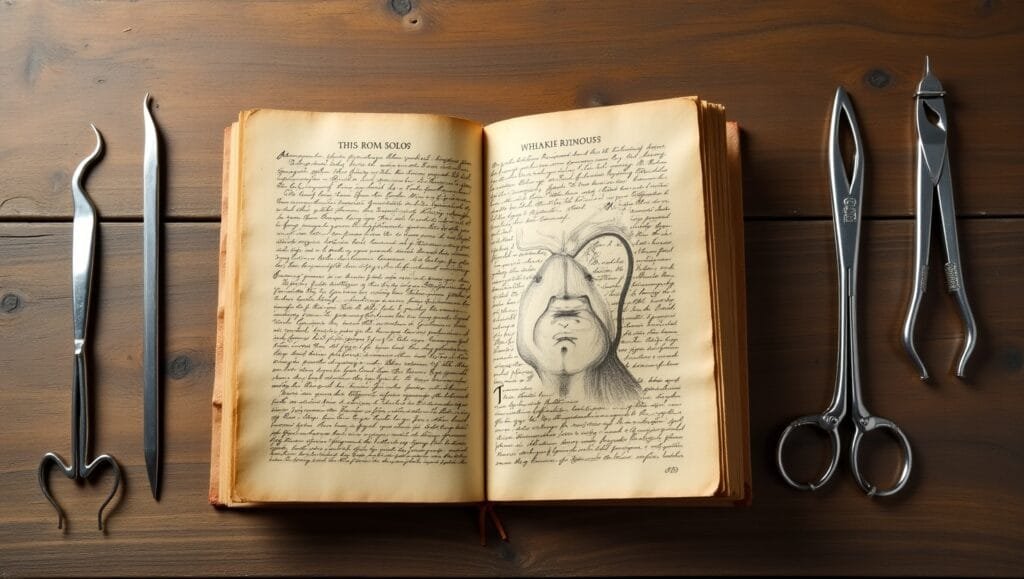
Rhinoplasty, commonly known as the nose job, is fundamentally a type of nose reshaping that boasts a rich and fascinating history dating back to ancient civilizations. The art and science of reshaping the nose have evolved over thousands of years, influenced by cultural practices and advancements in medical techniques within the realm of cosmetic surgery. One of the earliest known pioneers in the field is Sushruta, an ancient Indian surgeon who lived around 600 BCE. Often referred to as the father of plastic surgery, Sushruta meticulously documented surgical procedures in his seminal work, the “Sushruta Samhita,” which included the first known descriptions of rhinoplasty techniques.
In ancient Egypt, similar practices emerged, showcasing the early human fascination with aesthetics and medical reconstruction. The desire to enhance one’s appearance or remedy injuries has prompted various cultures to innovate and refine techniques over time. By the late 19th century, the field began to formalize, with significant developments occurring in closed rhinoplasty techniques in 1887 by pioneers such as Dr. John Orlando Roe. The evolution continued with innovations in open rhinoplasty techniques throughout the 20th century, allowing for greater precision and improved patient outcomes.
As we navigate through the evolution of rhinoplasty, it’s essential to appreciate how these ancient origins have laid the foundation for modern practices. Today, rhinoplasty remains one of the most sought-after cosmetic procedures, combining artistry with advanced medical science. As noted by experts, “Rhinoplasty has continued to improve in recent years. Refinements in both technology and techniques have made this type of treatment more effective, comfortable, and predictable than ever before.” This introduction sets the stage for exploring the remarkable journey of rhinoplasty from its inception to its current advancements, illustrating its ongoing significance in both cosmetic and reconstructive surgery, and our collective pursuit of beauty and functionality.

Ancient Practices of Rhinoplasty
The journey of rhinoplasty begins long before modern surgical techniques emerged. Around 600 BCE, Sushruta, a brilliant surgeon from ancient India, made transformative contributions to medical procedures that include what we recognize today as rhinoplasty. His text, the Sushruta Samhita, is considered one of the most influential surgical texts of its time and has been revered for centuries. Sushruta described various techniques for nasal reconstruction, primarily focused on repairing injuries caused by accidents or punishment.
Sushruta is quoted as saying, “The surgical procedure should be performed in a clean area, using delicate incisions and following strict methods of medicine to ensure a successful outcome.” His meticulous documentation not only reflects the advanced understanding of surgery at that time but also the ethical considerations surrounding patient care.
One notable technique developed by Sushruta was the forehead flap method, which involved reconstructing the nose using skin from the forehead. This minimally invasive technique paved the way for reconstructive methodologies that would follow, showcasing the innovative spirit of ancient Indian medicine.
Meanwhile, around the same period, ancient Egyptians were also exploring similar avenues for nasal repairs. Historical evidence suggests that they practiced some form of nose reconstruction, likely influenced by their cultural beliefs surrounding beauty and functionality. The Egyptians might have incorporated techniques that utilized materials like linen and natural adhesives to fix deformed noses, emphasizing physical appearance in their societal norms.
These ancient methods highlighted a fundamental observation: the intersection of aesthetic desire and medical intervention. As time progressed, the principles underlying Sushruta’s techniques laid the groundwork for the evolution of rhinoplasty. By the late 19th century, in 1887, Dr. John Orlando Roe conducted the first successful closed rhinoplasty, demonstrating how ancient principles inspired modern practices.
In conclusion, the practices initiated by pioneers like Sushruta and the Egyptians are not mere historical footnotes; they are the critical foundations upon which contemporary rhinoplasty is built. As noted in modern medical discourse, “Rhinoplasty has continued to improve in recent years. Refinements in both technology and techniques have made this type of treatment more effective, comfortable, and predictable than ever before.” This legacy of innovation reflects our enduring quest for beauty and functionality in surgical practice.
To facilitate a successful surgical recovery, patients should heed the lessons learned through history and embrace techniques that prioritize both aesthetic and functional outcomes.
As we reflect on the contrast between closed and open rhinoplasty techniques, it is evident that the innovations introduced through these methods not only shaped surgical practices of their time but also laid the groundwork for the remarkable advancements we see in rhinoplasty today. This historical context enables us to appreciate how far the field has come, transitioning into a new era of precision and patient-centered care that continues to evolve.
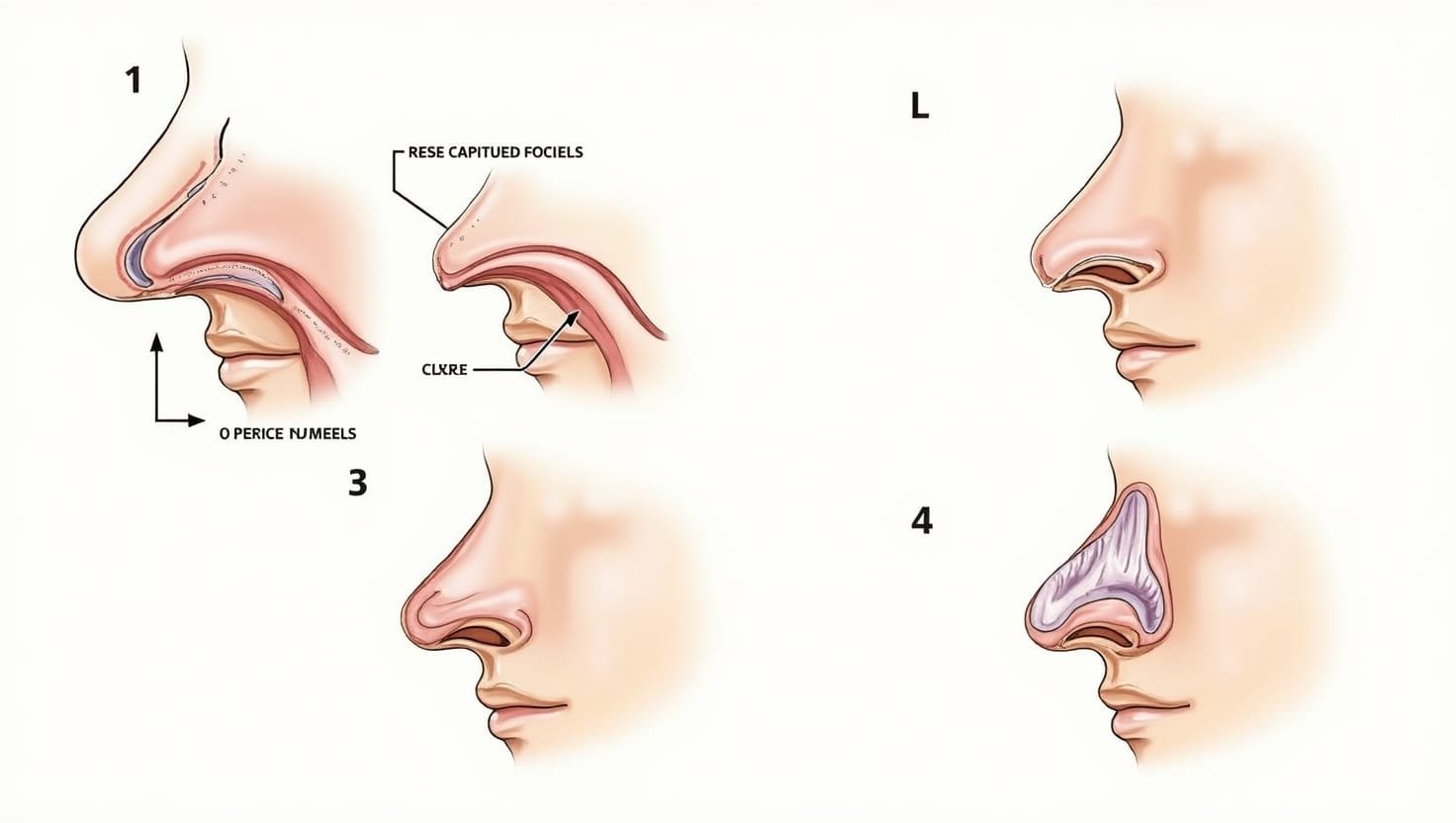
| Aspect | Closed Rhinoplasty | Open Rhinoplasty |
|---|---|---|
| Incision Location | Incisions are made inside the nostrils. | Incisions are made on the columella (the skin between the nostrils) and inside the nostrils. |
| Surgical Visibility | Limited visibility of the nasal structures. | Enhanced visibility, allowing for detailed work on the nasal framework. |
| Surgical Technique | Primarily utilizes endonasal approaches. | Allows for direct access to the nasal structures, making it easier to manipulate cartilage and bone. |
| Recovery Time | Generally shorter recovery time. | Longer recovery due to more extensive manipulation. |
| Scarring | No visible external scarring; scars are hidden. | Potential for noticeable scarring under the nose, though often fades significantly. |
| Ideal Candidates | More suited for minor adjustments or corrections. | Ideal for complex revisions or significant reshaping. |
| Post-Operative Edema | Typically less swelling and bruising. | May experience more swelling and bruising initially. |
| Outcomes | Can achieve good results for less complex cases. | Greater precision allows for more intricate and tailored outcomes. |
| Surgeon Expertise | Requires a skilled surgeon but can be performed by those trained in basic techniques. | Requires a highly skilled and experienced surgeon due to complexity. |
Modern Advancements in Rhinoplasty
Rhinoplasty, often called a nose job, has made significant improvements in recent years, which enhance comfort and lead to better patient results. Pioneers in this field have set the stage for new techniques and technologies that change how surgeons perform nasal surgery. Here are some key advancements:
Key Innovations
- 3D Imaging and Simulation: This technology allows surgeons to create detailed models of the nose, improving pre-surgery planning. Patients can see visual images of potential results, which helps them feel more confident in their choices.
- Ultrasonic Rhinoplasty: This method uses high-frequency sound waves. It reduces injury to nearby tissues and speeds up recovery, resulting in less swelling and bruising after the surgery.
- Artificial Intelligence and Augmented Reality: AI helps with surgery planning by predicting outcomes accurately. Augmented reality allows patients to see how they might look after surgery, which increases satisfaction.
Minimally Invasive Techniques
The push for less invasive options is changing rhinoplasty. These methods lead to shorter recovery times and less visible scarring. Techniques such as closed rhinoplasty and non-surgical options like liquid rhinoplasty are becoming more popular.
As rhinoplasty continues to improve, patients can feel reassured. Advanced techniques lead to better results and increased safety. Current experts remind us, “Rhinoplasty has continued to improve in recent years. Refinements in both technology and techniques have made this type of treatment more effective, comfortable, and predictable than ever before.” This ongoing progress shows our dedication to excellent results while ensuring patient comfort and safety.
Conclusion
The journey of rhinoplasty, spanning thousands of years, underscores a remarkable evolution of both medical knowledge and artistry. From the pioneering techniques described by Sushruta in ancient India to the groundbreaking innovations in surgical practices today, rhinoplasty reflects a commitment to enhancing both aesthetics and functionality. The historical foundations have given rise to modern techniques that prioritize patient safety and satisfaction.
As we explore the contemporary landscape of rhinoplasty, we find that cutting-edge methodologies, such as ultrasonic rhinoplasty and the use of 3D imaging, have revolutionized the field. These advancements not only ensure precision and reduce recovery times but also help patients visualize their expected outcomes, fostering confidence in their surgical decisions.
It is essential for prospective patients to recognize that rhinoplasty is not merely a cosmetic procedure; it is a carefully crafted art form backed by scientific rigor. The words of surgeons resonate strongly: “Rhinoplasty has continued to improve in recent years. Refinements in both technology and techniques have made this type of treatment more effective, comfortable, and predictable than ever before.”
Thus, individuals considering rhinoplasty can proceed with assurance, knowing that they have the advantage of centuries of accumulated wisdom and the latest technological advancements. Modern rhinoplasty not only stands as a testament to human ingenuity but also addresses the unique aspirations and concerns of each patient with empathy and professionalism. Your journey to a more fulfilling self-image starts with this legacy of excellence in rhinoplasty.
Introduction
Rhinoplasty, commonly known as nose reshaping, carries a compelling history stretching back to ancient cultures. Over the ages, techniques for reshaping noses have developed through a rich tapestry of cultural practices and medical advancements in the realm of cosmetic surgery. Sushruta, a pioneering Indian surgeon from around 600 BCE, significantly influenced this field. He meticulously recorded surgical methods in his ancient medical text, the Sushruta Samhita, where he articulated some of the first rhinoplasty procedures.
In ancient Egypt, similar explorations of aesthetic enhancement emerged, reflecting a deep-rooted human interest in improving one’s appearance and repairing injuries. These interests propelled various cultures to enhance their medical methodologies over time. By the late 19th century, the field became more formalized, marking a significant moment with Dr. John Orlando Roe performing the first closed rhinoplasty in 1887. The evolution continued into the 20th century with innovations in open rhinoplasty, which have since ushered in greater precision and improved outcomes for patients.
As we explore the trajectory of rhinoplasty, it becomes crucial to acknowledge how these ancient foundations paved the way for contemporary practices. Today, rhinoplasty stands as one of the most requested cosmetic procedures, marrying artistry with cutting-edge medical science. Experts in the field recognize that recent strides in technology and technique have rendered rhinoplasty not only more user-friendly but also more reliable and satisfying for patients.
Ancient Practices of Rhinoplasty
The origins of rhinoplasty are rich with innovation, preceding modern surgical methods by centuries. Sushruta, a revered surgeon from ancient India, made substantial contributions to early medical practices, which included techniques recognizable as rhinoplasty today. His influential text, the Sushruta Samhita, has been a pillar of surgical wisdom for millennia. Sushruta elucidated various methodologies for nasal reconstruction, primarily aiming to address injuries stemming from accidents or punitive actions.
Among those methodologies, he highlighted the importance of hygienic conditions and carefully crafted incisions, focusing on patient care’s ethical aspects alongside surgical success. One notable advancement attributed to Sushruta is the forehead flap method, which reconstructed noses using forehead skin, showcasing the ingenuity of ancient medical practices.
Coinciding with these advancements, ancient Egyptians also ventured into surgical modifications for nasal restorations, likely shaped by their cultural ideologies concerning beauty. Evidence suggests that they employed materials such as linen and natural adhesives, emphasizing their dedication to aesthetic standards.
These ancient practices illustrate that the intertwining of beauty and medicine has long existed. As time unfolded, Sushruta’s techniques significantly influenced modern medicine. Dr. John Orlando Roe’s successful closed rhinoplasty in 1887 can be seen as an evolution of these ancient principles applied to contemporary needs.
Modern Advancements in Rhinoplasty
Rhinoplasty has undergone tremendous transformation in recent years, yielding significant enhancements in patient comfort and surgical results. Innovations in the field have introduced new approaches and technologies that redefine how nasal surgeries are conducted. Highlighted below are some crucial developments:
Key Innovations
- 3D Imaging and Simulation: This advancement allows surgeons to generate precise models of the nose, greatly enhancing pre-surgical planning. It enables patients to visualize potential outcomes, fostering greater confidence in their decisions.
- Ultrasonic Rhinoplasty: Employing high-frequency sound waves, this technique minimizes damage to adjacent tissues and accelerates recovery, resulting in reduced post-operative swelling and bruising.
- Artificial Intelligence and Augmented Reality: These tools assist in surgical planning by accurately forecasting outcomes. Augmented reality permits patients to preview potential results, enhancing satisfaction with the surgical experience.
Minimally Invasive Techniques
- The trend towards less invasive surgical options is reshaping the rhinoplasty landscape, leading to quicker recoveries and less visible scarring. Approaches such as closed rhinoplasty and non-surgical alternatives like liquid rhinoplasty are gaining traction.
As rhinoplasty continues to evolve, it brings reassurance to patients that advanced methods yield improved results while prioritizing safety. The commitment to refining techniques reflects a dedication to achieving both aesthetic aspirations and functional improvements.
Conclusion
The history of rhinoplasty encapsulates a journey rich with innovation and artistic achievement. From the groundbreaking techniques developed by Sushruta in ancient times to the sophisticated surgical methodologies employed today, rhinoplasty mirrors our continuous pursuit of beauty and functional excellence. The foundational principles have facilitated advancements that prioritize not only safety but also patient satisfaction.
Today’s landscape in rhinoplasty, characterized by state-of-the-art practices like ultrasonic procedures and 3D imaging technology, revolutionizes the field. These innovations ensure precision while decreasing recovery time, enhancing the confidence of patients embarking on their surgical journeys.
It is pivotal for anyone considering rhinoplasty to understand that this is not simply a cosmetic procedure but a refined art supported by rigorous scientific principles. Current practitioners emphasize that the advancements in techniques and technology create outcomes that are not only more effective but also greatly comfortable for patients navigating this transformative experience. The roadmap built upon decades of progress stands ready to cater to the unique desires and concerns of each patient, ensuring a thoughtful approach to cosmetic enhancement.
Your journey toward an enhanced self-image begins here, grounded in a legacy of innovation and excellence in rhinoplasty.
