
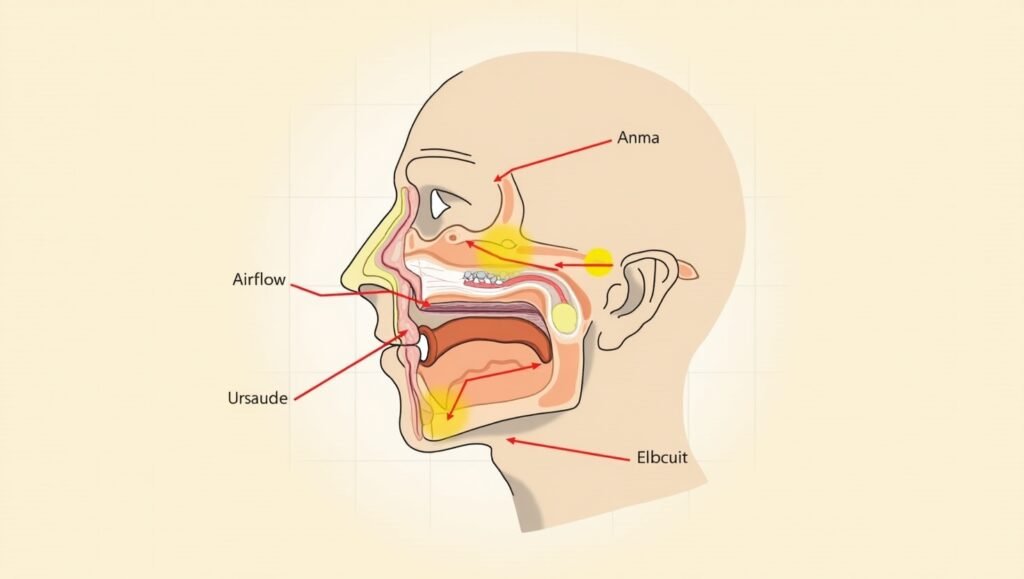
In the realm of nasal health, a severely deviated septum often goes unnoticed, dismissed as merely a nuisance affecting one’s breathing. However, the implications are far more profound than many imagine. A deviated septum can act as a catalyst for a host of serious health issues, proving that its impact extends well beyond mere difficulty in inhaling or exhaling. Chronic sinusitis – an inflammatory condition marked by recurrent infections – is frequently linked to this anatomical anomaly. This condition can not only disrupt daily life with persistent discomfort but also result in significant respiratory complications if left untreated.
Moreover, individuals with a severely deviated septum may find themselves at a heightened risk for obstructive sleep apnea, a serious disorder characterized by interrupted sleep patterns and increased snoring. The structural irregularity can compromise the airflow necessary for restful slumber, ultimately harming overall well-being. In fact, studies suggest that nearly 80% of those with a deviated septum report symptoms such as nasal congestion and sleep disturbances. Additionally, the imbalance in airflow can lead to frequent nosebleeds, irritability, and can exacerbate asthma symptoms, making every breath a little harder.
Failing to seek treatment can lead to worsening symptoms, chronic discomfort, and even long-term health implications. Understanding that the issues surrounding a deviated septum extend well beyond breathing difficulties opens the door to necessary and life-enhancing interventions. Thus, it becomes crucial for those experiencing symptoms to consult with an ear, nose, and throat specialist who can guide them toward appropriate treatments. The earlier the intervention, the better the potential outcomes, ensuring individuals can reclaim their quality of life.
A severely deviated septum can lead to several significant health complications, primarily affecting the nasal and respiratory systems. Chronic sinusitis, obstructive sleep apnea, and other respiratory issues are prominent concerns associated with this condition.
Chronic Sinusitis
The nasal septum is a wall of cartilage and bone that divides the nasal passages. When it deviates significantly, it can obstruct the normal drainage of the sinuses, predisposing individuals to chronic sinusitis. This condition is characterized by persistent inflammation, leading to recurrent sinus infections and symptoms such as facial pain, nasal congestion, headache, and a diminished sense of smell. According to the Cleveland Clinic, a deviated septum can contribute to an incidence of chronic rhinosinusitis, which often requires medical intervention to alleviate symptoms and improve quality of life.
Research from the Sial Journal of Medical Sciences indicates that a high percentage of patients with nasal obstruction also exhibit chronic sinusitis, reinforcing the connection between septal deviation and sinus health.
Obstructive Sleep Apnea (OSA)
Another serious complication linked to a deviated septum is obstructive sleep apnea (OSA), a sleep disorder characterized by repeated interruptions in breathing during sleep. A deviated septum may block airflow, increasing resistance and contributing to sleep-disordered breathing. According to a study published in PubMed, individuals with significant nasal obstruction are at a higher risk of developing OSA, which can lead to severe health consequences like hypertension, cardiovascular disease, and cognitive impairment.
Respiratory Problems
In addition to chronic sinusitis and OSA, a deviated septum can exacerbate overall respiratory issues. Surgical correction, such as septoplasty, has been shown to improve pulmonary artery pressure in affected patients, indicating enhanced respiratory function. Chronic nasal obstruction can lead to increased pulmonary pressure due to hypoxia, with some studies linking this to risks of complications like pulmonary hypertension and right ventricular hypertrophy.
In summary, complications from a severely deviated septum can be severe and multifaceted. Chronic sinusitis and obstructive sleep apnea significantly affect overall health, while associated respiratory problems can lead to long-term issues. It is crucial for individuals who suspect they have a deviated septum to seek evaluation and management from an ear, nose, and throat specialist, ensuring they receive appropriate care and intervention.
Patient Suitability and Safety in Septoplasty
When considering a nasal surgical procedure like septoplasty for patients with a severely deviated septum, it is essential to evaluate both suitability and safety. The procedure primarily aims to correct the deviation and alleviate related symptoms such as nasal obstruction, chronic sinusitis, and obstructive sleep apnea.
Assessment Criteria for Patient Candidacy
To determine if a patient is an appropriate candidate for septoplasty, several criteria must be considered:
- Severity of Symptoms: Patients must demonstrate significant functional impairment impacting daily life, such as persistent nasal congestion, difficulty breathing, or frequent sinus infections.
- Impact on Quality of Life: Evaluations often involve questionnaires assessing sleep quality, respiratory function, and overall well-being. A significant improvement in symptoms post-surgery could greatly enhance the patient’s quality of life.
- Pre-existing Conditions: Health history reviews should include any underlying conditions such as allergies, asthma, or hypertension, which may influence surgical outcomes or recovery.
- Age and General Health Status: Younger patients with significant deviation and those in good overall health are generally considered better candidates for surgery. However, considerations are made for older patients or those with comorbidities.
Potential Risks and Safety Considerations
While septoplasty is a common outpatient procedure, it is crucial to recognize the potential risks associated with the surgery:
- Infection: As with any surgical procedure, there is a risk of infection. Patients are often prescribed antibiotics as a precaution.
- Bleeding: Excessive bleeding can occur during or after surgery, necessitating careful monitoring and management.
- Anesthesia Risks: Although general anesthesia is seldom required for septoplasty, patients need to be aware of the associated risks, especially if they have known issues with anesthetic tolerance.
- Nasal Obstruction Recurrence: In some cases, patients may experience a return of nasal obstruction due to scarring or re-deviation of the septum.
- Altered Sensation: Changes in smell or sensation in the nasal passages may occur, but these typically resolve over time.
Importance of Pre-operative Evaluations
Before undergoing septoplasty, a thorough pre-operative evaluation is critical. This may include imaging studies, such as a CT scan, to visualize the extent of the deviation and any concurrent sinus issues.
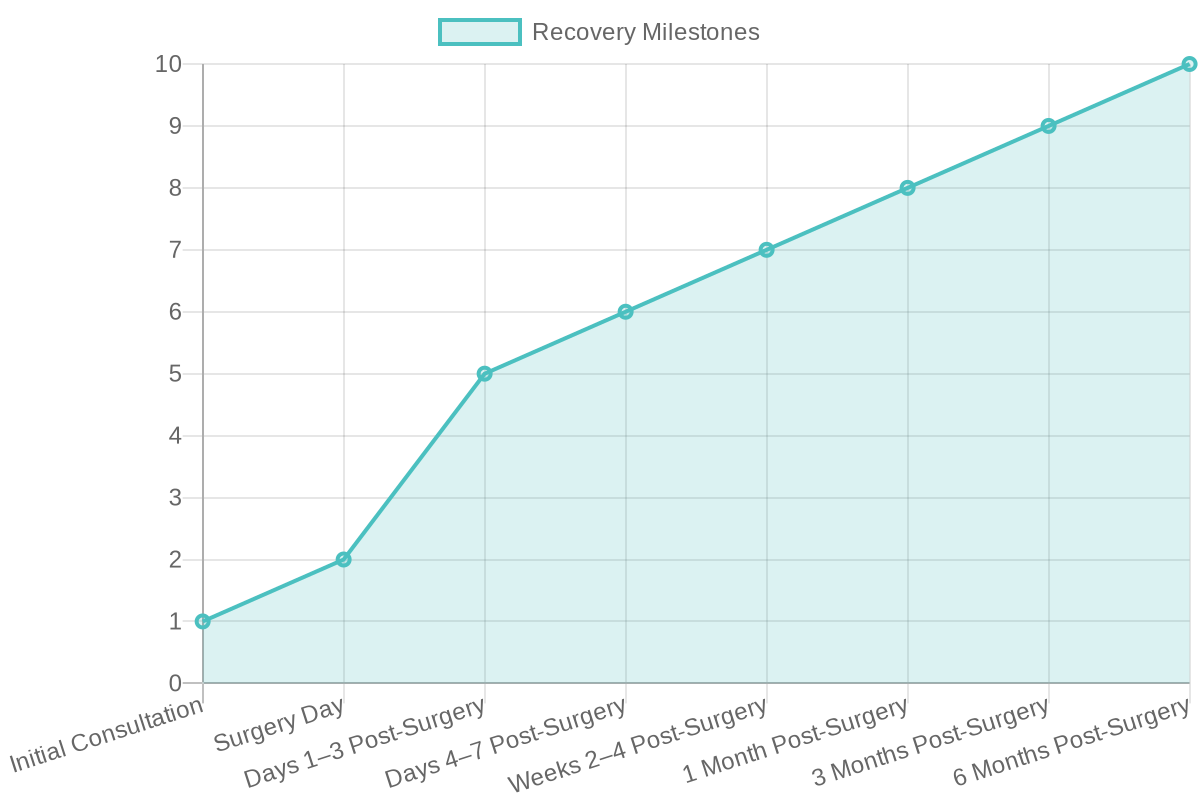
Additionally, discussing expectations, potential outcomes, and recovery time with a qualified ENT specialist is essential to ensure informed consent. This comprehensive approach helps mitigate risks and enhances patient satisfaction by aligning surgical goals with realistic outcomes.
In summary, septoplasty can be a suitable option for patients with a severely deviated septum, provided that thorough evaluations are completed to assess candidacy and minimize safety concerns. This careful procedure, when performed by skilled professionals, can lead to significant improvements in quality of life for many patients.
| Treatment Method | Effectiveness | Risks |
|---|---|---|
| Conservative Treatments | Can provide temporary relief from symptoms such as nasal congestion and sinus pressure. Often includes medication management and lifestyle changes. | May not fully resolve symptoms; side effects from medications, such as drowsiness or dry mouth. Potential for symptom recurrence. |
| Septoplasty | Aims to provide permanent correction of the septal deviation leading to improved airflow and reduction in sinusitis and sleep apnea symptoms. | Surgical risks such as infection, bleeding, anesthesia complications, and nasal obstruction recurrence. Generally considered safe with appropriate evaluations. |
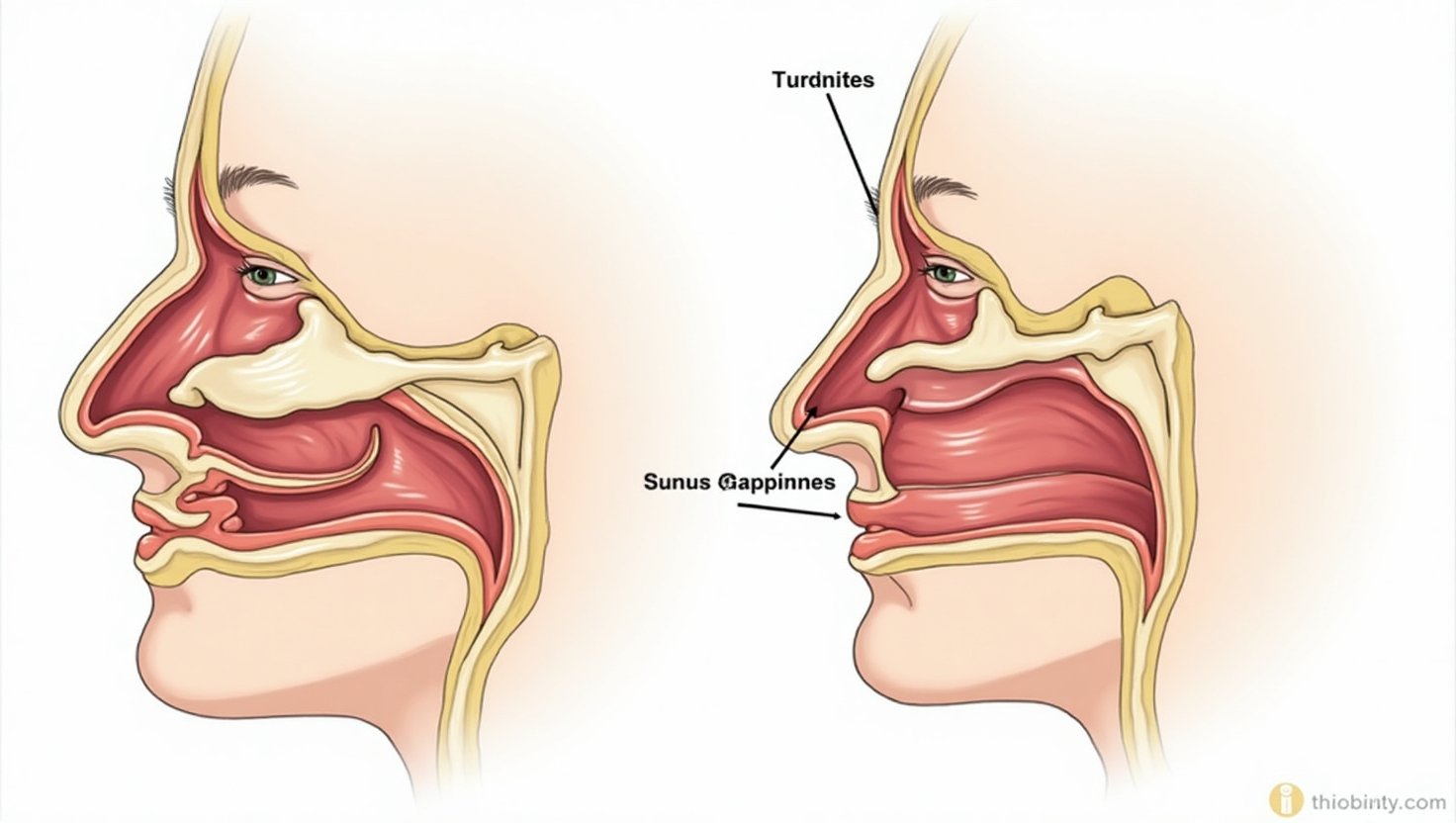
If you are experiencing complications related to a deviated septum, Dr. Gorkem Atsal provides expert services, including rhinoplasty, which is a surgical procedure aimed at improving both the structure and function of the nose. Rhinoplasty can effectively address issues caused by a deviated septum, enhancing airflow and overall nasal health.
For more information on rhinoplasty and other services offered, you can visit Dr. Gorkem Atsal’s official website or check out patient experiences on Trustpilot.
External References on Deviated Septum Complications and Septoplasty Benefits
The complications of a deviated septum are well documented in medical literature. A deviated nasal septum can lead to various issues such as nasal obstruction, recurrent sinus infections, and even chronic headaches. According to a systematic review published in PubMed, septoplasty results in significant improvements in nasal airflow and quality of life for patients, showing improvement in symptoms related to nasal obstruction not just immediately but also six months and a year post-surgery. The procedure also has a relatively low complication rate, with one study indicating a range of complications from 0.31% for revisions to 4.12% for bleeding and infections [PubMed].
Another important study highlighted in PubMed discusses the positive impact of septoplasty on pulmonary function, demonstrating significant enhancements in measured airflow metrics after surgery, which can lead to overall better respiratory health [PubMed].
Additionally, for patients suffering from allergic rhinitis alongside a deviated septum, studies have shown immense relief from nasal symptoms following septoplasty, making it a preferred option for many [PubMed].
However, it’s crucial to note the risks associated with septoplasty, such as septal perforation and the possibility of recurrence of symptoms. A separate study documented an overall complication rate at 21%, indicating the importance of careful patient selection and discussion of potential outcomes [PubMed].
In conclusion, while a deviated septum can lead to various health complications, surgical intervention through septoplasty offers numerous benefits, significantly improving life quality for many patients. Properly addressing these concerns with a qualified healthcare provider is essential for optimal patient outcomes.
Consult with Dr. Gorkem Atsal
In summary, if you are suffering from the complications related to a severely deviated septum, it is essential to seek guidance from a knowledgeable professional. Dr. Gorkem Atsal is a board-certified facial plastic surgeon based in Istanbul, Turkey, renowned for his expertise in nasal procedures. Istanbul is quickly becoming a trusted destination for medical tourism, offering advanced healthcare solutions at competitive prices with highly qualified specialists.
If you are considering surgical options to alleviate your symptoms and improve your quality of life, we invite you to arrange an online or in-person consultation with Dr. Atsal. Explore your pathway to better breathing and enhanced health by visiting Dr. Gorkem Atsal’s official website or schedule your appointment today. Transform your wellbeing and gain back the freedom of effortless breathing!
As we explored the various health complications arising from a severely deviated septum, it is evident that these issues necessitate serious consideration of treatment options. The connection between structural abnormalities within the nasal passages and debilitating symptoms underscores the importance of seeking a resolution through medical intervention.
By understanding the medical implications of a deviated septum, patients can better appreciate the significance of thorough evaluations and potential treatments available. This leads us to the next vital aspect of addressing these concerns: assessing patient suitability and safety for surgical correction, such as septoplasty.
When considering surgical options, it is critical to ensure that each patient is carefully evaluated to weigh the benefits against any risks. With a clear understanding of medical conditions related to a deviated septum, the pathway to improved health and well-being unfolds in the hands of a qualified specialist.
