Rhinoplasty: Understanding the Procedure
Rhinoplasty, commonly referred to as a nose job, has become one of the most sought-after cosmetic procedures in recent years. Understanding rhinoplasty is essential, as it not only addresses aesthetic desires—such as enhancing facial harmony—but also plays a crucial role in improving breathing functionality. Many individuals find themselves at a crossroads, contemplating the benefits versus potential concerns associated with this transformative surgery. Whether it’s a congenital issue, a past injury, or dissatisfaction with one’s nose shape, rhinoplasty offers a pathway to renewed confidence and improved quality of life.
In this guide, we will explore the many benefits of rhinoplasty, highlighting its ability to create a more balanced profile and clear nasal passages. We will address common questions regarding safety, recovery, and what to expect during the process. By acknowledging these concerns, you can approach the decision-making process with clarity and reassurance, knowing that the right information is your ally in navigating this journey. Rhinoplasty isn’t merely about aesthetics; it’s about enhancing both the external appearance and internal function of one of the most prominent features of the human face.
Frequently Asked Questions about Rhinoplasty
What is rhinoplasty?
Rhinoplasty, commonly known as a nose job, is a surgical procedure aimed at changing the shape or improving the function of the nose. It can address aesthetic concerns, correct breathing issues, and is often performed for various reasons ranging from cosmetic improvement to reconstruction after trauma.
Who is a good candidate for rhinoplasty?
A good candidate for rhinoplasty is someone who is in good health and has realistic expectations about the results. Many candidates are teenagers or adults who are unhappy with the size or shape of their nose, have breathing difficulties, or have experienced nasal trauma. In some cases, functional rhinoplasty may also be necessary to address medical concerns.
How long does the surgery take?
The duration of a rhinoplasty procedure can vary depending on the complexity of the surgery but generally lasts between one to three hours. The surgeon will determine the appropriate length of time based on individual needs.
What is recovery like after rhinoplasty?
Recovery from rhinoplasty typically includes swelling and bruising, which slowly subsides over the following weeks. Most patients can return to normal activities within a week, but full recovery can take up to a year for final results to manifest. Following post-operative care instructions is essential for optimal healing.
Are there visible scars after rhinoplasty?
Rhinoplasty can be performed using two primary techniques: open and closed. In closed rhinoplasty, incisions are made inside the nostrils, resulting in no visible scars. Open rhinoplasty might leave a small scar on the columella, but a skilled surgeon makes every effort to minimize any scarring.
How much does rhinoplasty cost?
The cost of rhinoplasty varies widely based on location, the surgeon’s expertise, and the complexity of the procedure. On average, patients can expect to pay several thousand dollars, but the total cost can vary. It is essential to discuss fees with your surgeon as well as payment options.
Will insurance cover rhinoplasty?
Insurance coverage for rhinoplasty is generally limited to medically necessary procedures, such as correcting a deviated septum or repairing nasal trauma. Cosmetic rhinoplasty, aimed at improving appearance without functional concerns, is typically not covered. Always check with your insurance provider before proceeding.
What should I expect during the consultation?
During your initial consultation with a surgeon, you will discuss your goals, medical history, and undergo a physical examination of your nose. This is the time to ask questions and express any concerns. An experienced surgeon will provide an overview of potential risks, recovery expectations, and before-and-after photos of previous patients.
Are there risks associated with rhinoplasty?
As with any surgical procedure, rhinoplasty comes with risks which may include bleeding, infection, and complications from anesthesia. However, if performed by a qualified and experienced surgeon, the likelihood of serious complications is significantly minimized. In the words of Dr. Gary Wiesman, “If you choose an experienced surgeon, it is unlikely that anything will go seriously wrong with your procedure.”
How do I choose the right surgeon?
Choosing the right surgeon is crucial for a successful rhinoplasty outcome. Research their qualifications, prior experience with rhinoplasty, and patient reviews. A consultation can also provide insight into their approach and help you assess whether you feel comfortable with them.
What can I do to prepare for rhinoplasty?
Preparation for rhinoplasty involves several steps, including avoiding certain medications like aspirin and anti-inflammatory drugs, stopping smoking, and discussing your surgical goals with your surgeon. Following their instructions carefully will help promote a smoother surgical experience and recovery. It is also advised to arrange for someone to assist you during the initial recovery period, ensuring a safe transition home post-surgery.
In conclusion, understanding the intricacies of rhinoplasty allows you to make informed decisions about your journey. Whether it is for aesthetic purposes or functional improvement, rhinoplasty can lead to significant changes in one’s quality of life. Remember that patience is necessary, particularly as the final results may take up to a year to fully appear. As expressed in professional advice, “It is important to be patient; it can take up to a year for your final results to appear.”
Embarking on this journey informed and equipped with necessary insights can pave the way to a successful and satisfying experience.
Financial Aspects of Rhinoplasty
Rhinoplasty, while a transformative procedure for many, does come with financial considerations that are important to address. Understanding the costs and potential insurance implications can help you make an informed decision about proceeding with surgery.
Average Costs
The cost of rhinoplasty can vary significantly based on several factors. On average, rhinoplasty can range from $5,000 to $15,000 depending on the surgeon’s experience, geographic location, and the complexity of the procedure. According to the American Society of Plastic Surgeons, the average surgeon’s fee for rhinoplasty is approximately $7,637, not including additional costs such as anesthesia and facility fees (American Society of Plastic Surgeons).
Factors influencing the costs include:
- Surgeon’s Expertise: Highly skilled and board-certified surgeons may charge higher fees due to their experience and track record.
- Geographic Location: Costs differ widely across regions, with urban areas often being more expensive. For example, rhinoplasty in major cities like New York can range between $8,000 and $20,000, while it may be around $4,000 to $10,000 in smaller towns.
- Complexity of the Procedure: More complicated surgeries, such as revision rhinoplasties, often incur higher costs, reflecting the additional time and expertise required (The Fashionable Housewife).
Given these variations in cost, it is critical for potential patients to have a clear understanding of what their investment entails. Before moving forward, discussing all fees with your surgeon will help you assess your financial readiness for such a commitment.
Insurance Coverage
Insurance coverage for rhinoplasty typically hinges on the purpose of the procedure:
- Cosmetic Rhinoplasty: If the procedure is performed purely for aesthetic reasons, it is usually not covered by insurance.
- Functional Rhinoplasty: If the surgery addresses breathing issues or structural deformities, it may be deemed medically necessary and covered by your insurance plan. However, it is advisable to confirm coverage details with your insurance provider before proceeding to avoid unexpected expenses (Rhinoplasty Costs).
Understanding insurance coverage is paramount as it can directly influence the final amount a patient will need to pay out-of-pocket. Thus, awareness about these potential financial aspects is just as essential as preparing for the surgery itself.
Financing Options
Recognizing that rhinoplasty costs can be substantial, many patients explore financing options:
- Payment Plans: Many clinics offer flexible payment plans that allow patients to pay for the procedure over time, making it more manageable financially (Liposuction Denver).
- Medical Loans: These loans are specifically designed for healthcare expenses, including cosmetic surgeries.
- Medical Credit Cards: Options like CareCredit can offer resources for covering surgical costs, often with deferred interest.
In conclusion, while financial concerns regarding rhinoplasty are valid, understanding average costs, insurance coverage, and available financing options can alleviate potential stress associated with budgeting for your surgery. Always engage in open conversations with your surgeon and their office regarding all financial aspects to ensure a comfortable and informed experience.
Surgical Techniques Used in Rhinoplasty
Rhinoplasty, commonly known as a nose job, is a surgical procedure aimed at reshaping the nose for aesthetic or functional purposes. The two primary surgical techniques are open (external) and closed (endonasal) rhinoplasty, each with distinct approaches, benefits, and risks.
Open Rhinoplasty
In open rhinoplasty, a small incision is made across the columella—the tissue strip between the nostrils—allowing the surgeon to lift the nasal skin and gain direct visibility of the underlying structures.
Benefits:
- Enhanced Visibility and Access: This approach provides the surgeon with a clear view of the nasal anatomy, facilitating precise modifications, especially in complex cases or revisions. Learn more.
- Greater Precision: The direct access allows for meticulous adjustments to the nasal framework, which is particularly beneficial for addressing asymmetries or intricate tip work.
Risks:
- Visible Scarring: The columellar incision may result in a small external scar, though it typically fades over time and is often inconspicuous.
- Prolonged Swelling and Numbness: Patients might experience longer-lasting swelling and temporary numbness in the nasal tip due to the extensive tissue manipulation.
Closed Rhinoplasty
Closed rhinoplasty involves making all incisions within the nostrils, eliminating any external cuts.
Benefits:
- No External Scarring: Since all incisions are internal, there are no visible scars post-surgery.
- Reduced Swelling and Faster Recovery: The less invasive nature of this technique often results in less swelling and a quicker recovery period.
Risks:
- Limited Visibility and Access: The internal approach restricts the surgeon’s view and access to nasal structures, which may limit the extent of modifications possible.
- Technical Challenges: The confined working space can make intricate adjustments more challenging, potentially leading to less precise outcomes in complex cases.
Patient Perspectives
Patient satisfaction with rhinoplasty procedures, whether performed using open or closed techniques, is generally high. In a study involving 107 patients, the Rhinoplasty Outcome Evaluation (ROE) scores showed significant improvement post-surgery, with no notable difference between open and closed techniques. A patient stated: “I was nervous about the surgery, but my surgeon reassured me about the closed technique’s advantages. I love how there are no visible scars, and my recovery was quicker than expected.”
Other patients expressed their delight with the open technique, highlighting its precision in addressing complex reshaping needs. “My open rhinoplasty allowed the surgeon to make fine adjustments to my nasal tip, and I couldn’t be happier with the results,” shared another patient.
In essence, both techniques have their unique strengths and are effective for various patient needs. The decision between open and closed rhinoplasty depends on individual goals, the complexity of the nasal issues, and the surgeon’s expertise. Consulting with a qualified facial plastic surgeon is crucial to determine the most appropriate approach tailored to one’s unique situation.
Recovery Timeline for Rhinoplasty Surgery
Recovering from rhinoplasty is a gradual process that varies from person to person. Understanding what to expect at each stage can play a crucial role in helping patients prepare mentally and physically for their journey to healing. Below, we break down the recovery timeline week by week, highlighting the healing stages, typical restrictions, and valuable advice.
Week 1: Immediate Recovery
- Healing Stage: The first week is critical. Expect swelling and bruising around the eyes and nasal area, potentially peaking around days 2 to 3.
- Restrictions: Avoid blowing your nose, strenuous activity, and bending over to reduce the risk of increased swelling. Keep your head elevated to help control swelling.
- Advice: Use cold compresses to alleviate swelling and pain. It is common to feel some discomfort, which can be managed with prescribed pain medication. Rest as much as possible during this period.
Week 2: Reducing Swelling
- Healing Stage: Swelling will begin to decrease but may still be significant. Soft tissues will start healing from the surgery.
- Restrictions: Continue to avoid heavy lifting, vigorous exercise, and high-impact activities. You may resume light activities as tolerated.
- Advice: Follow-up visits with your surgeon are essential to monitor your healing process. Stay hydrated and incorporate a balanced diet to promote healing.
Week 3: Initial Healing
- Healing Stage: Most external swelling begins to subside, and you may start to see your new nose shape emerging. Internal healing continues.
- Restrictions: While you can slowly start light exercises, still avoid any activities that may put strain on your nose, such as contact sports.
- Advice: Continue applying any topical ointments as prescribed. Monitor any signs of infection and report them to your healthcare provider immediately.
Week 4: Returning to Normal Activities
- Healing Stage: Swelling significantly reduces further, making the shape of the nose more apparent. Most bruising should have resolved.
- Restrictions: Gradually ease back into your normal routine but continue to avoid vigorous exercises and avoid any nasal trauma.
- Advice: Start to incorporate gentle facial exercises to support muscle healing around the nose. Use sun protection to prevent discoloration of the healing skin.
Week 5-6: Continued Improvement
- Healing Stage: Final details of the shape may still be evolving. Healing continues both externally and internally.
- Restrictions: Most patients can return to normal activities and light exercise. However, still refrain from rigorous activities or sports.
- Advice: Attend regular follow-up appointments to evaluate the progress of your healing. Communicate any concerns with your surgeon.
Weeks 7-12: Final Adjustments
- Healing Stage: Most of the visible swelling should be gone, but subtle changes in the nose might still occur as tissues continue to heal.
- Restrictions: You can generally return to full activities, including vigorous exercise and sports, but listen to your body and avoid any activities that cause discomfort.
- Advice: The complete results from your rhinoplasty can take up to a year to fully manifest. Continue taking care of your health, and reach out to your surgeon if you have questions or concerns as you transition back into your routine.
General Tips for a Smooth Recovery
- Rest is vital in the early stages of recovery. Make sure to get enough sleep to promote healing.
- Stay hydrated and eat a nutritious diet to aid the body in recovery.
- Avoid smoking and alcohol, as these can impair the healing process.
- Reach out for support from friends and family during your recovery, as they can assist with daily tasks while you heal.
Understanding the recovery timeline for rhinoplasty will help you feel more equipped to manage your healing process. Always maintain open communication with your healthcare provider to ensure a smooth and successful recovery journey.

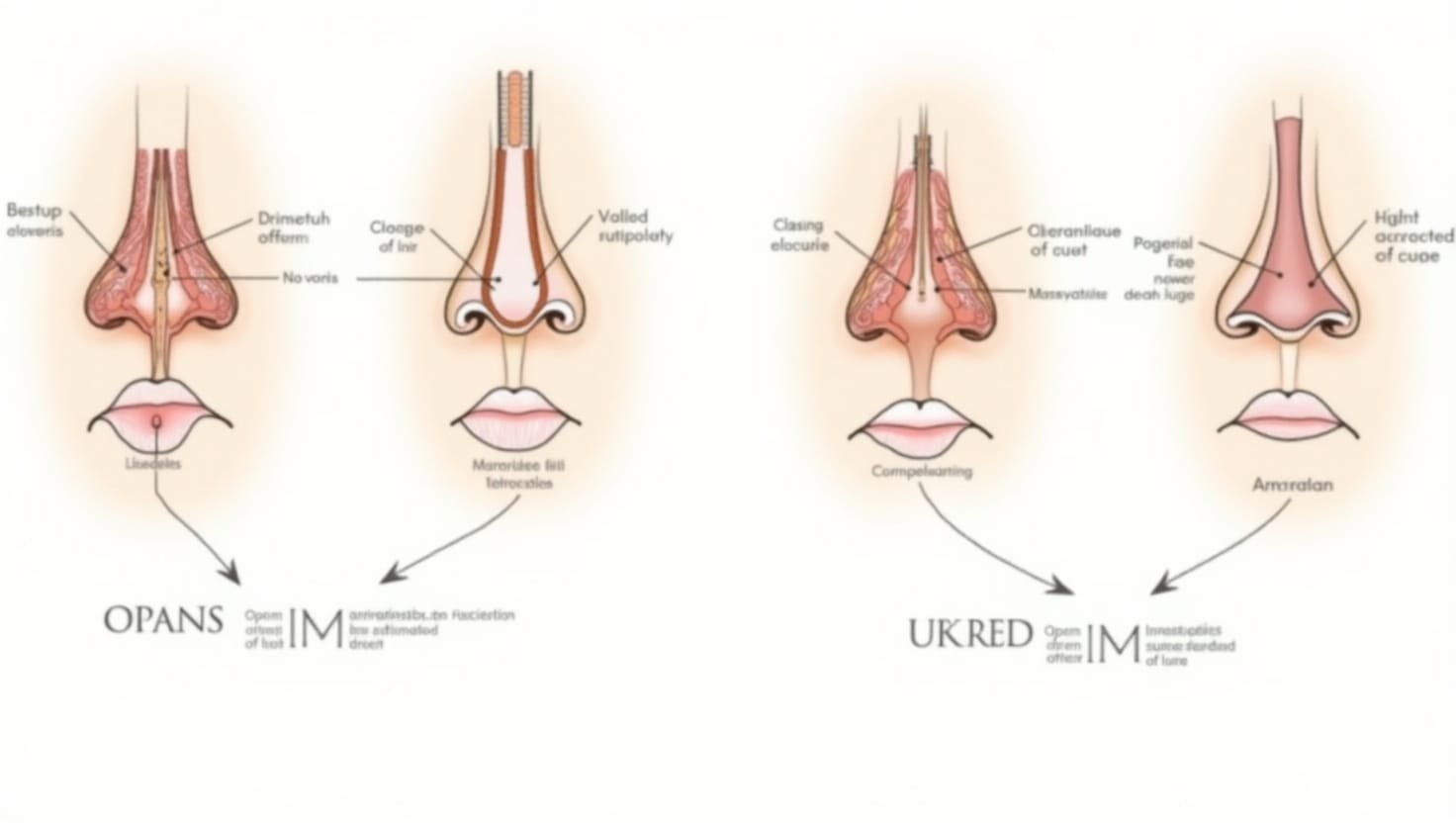
The comparison chart above outlines the key aspects of open and closed rhinoplasty techniques. It includes the pros and cons, expected recovery times, and ideal candidates for each method, making it easy for patients to visualize their options.
For further information, refer to the sources from which the data was obtained:
Risks and Mitigation Strategies for Rhinoplasty
Rhinoplasty, while one of the most commonly performed cosmetic procedures, does carry certain risks that potential patients should be aware of. Understanding these risks and how to mitigate them is essential for a successful outcome.
Potential Risks
- Complications during or after surgery: These may include excessive bleeding, infection, or adverse reactions to anesthesia.
- Unsatisfactory aesthetic results: Some patients may not achieve the desired look or experience asymmetry.
- Breathing difficulties: Alterations to the nasal structure could inadvertently affect airflow.
- Scarring: Depending on the surgical technique employed, there may be visible scars, although they often heal nicely over time.
- Need for revision surgery: Sometimes, patients may desire adjustments after the initial healing period due to unforeseen aesthetic outcomes.
Mitigation Strategies
- Select a Qualified Surgeon: The most effective way to minimize risks is to choose a board-certified plastic surgeon who specializes in rhinoplasty. Reviewing their credentials, experience, and past patient outcomes can provide reassurance. Ask for before-and-after photos and for recommendations from previous patients.
- Have Realistic Expectations: Before undergoing surgery, it’s crucial to discuss your goals and expected outcomes thoroughly during your consultation. An honest conversation with your surgeon will help set realistic expectations and understand what can be achieved. Your surgeon will provide a detailed explanation of what rhinoplasty can and cannot do based on your specific needs.
- Follow Pre-operative Instructions: Adhering closely to your surgeon’s guidelines prior to surgery can reduce complications. This includes avoiding certain medications that may increase bleeding, such as aspirin and anti-inflammatory drugs, and ceasing smoking to promote better healing.
- Post-operative Care: Monitoring your recovery closely and adhering to the post-operative instructions provided by your surgeon is necessary. This includes attending all follow-up appointments and reporting any unusual symptoms immediately. Proper care can prevent infections and other complications.
- Consider the Emotional Aspect: It is vital to approach rhinoplasty with a clear, stable mindset. Many patients may experience emotional fluctuations post-surgery. Being prepared for the psychological impact of recovery can help in coping with any unexpected feelings during the healing process.
By being informed about the risks associated with rhinoplasty and employing strategies to mitigate them, you can approach your surgery with confidence. Ultimately, the goal is to enhance both your appearance and your well-being while minimizing any potential complications.
Conclusion
As we wrap up our discussion on rhinoplasty, it is important to reflect on the transformative impact this surgery can have on overall wellness. Rhinoplasty is not just about aesthetics; it serves as a vital journey toward enhanced self-esteem, improved breathing, and a reinforced sense of well-being. The emotional significance of achieving a desired appearance can lead to profound shifts in self-perception and confidence.
Patients often experience a boost in self-esteem as they notice the positive changes in their appearance. This can alleviate feelings of anxiety or self-consciousness that might have stemmed from dissatisfaction with their nose. Additionally, addressing functional concerns, such as breathing issues, can enhance quality of life, allowing individuals to engage more fully in daily activities without hindrance.
Many people find that seeing significant changes in their physical appearance can lead to emotional fulfillment. The transformation brought about by rhinoplasty can encourage a more positive self-image, making it easier for individuals to relate to themselves and others with newfound confidence.
If you are considering rhinoplasty, know that you are not alone in your journey. Many individuals have experienced positive changes in their appearance and quality of life through this procedure. Consulting with a qualified surgeon can provide you with the necessary guidance tailored to your specific desires and needs.
Feel free to reach out for a consultation where you can ask questions and discuss your goals more thoroughly. Remember, rhinoplasty has the potential to reshape not only your nose but also your confidence. Taking this step could be the beginning of a new and fulfilling chapter in your life, one that empowers you to feel comfortable and happy in your own skin. Together, let’s approach this transformative journey with informed excitement and a supportive perspective.
| Technique | Procedure Duration | Recovery Time | Potential Risks | Patient Suitability |
|---|---|---|---|---|
| Open Rhinoplasty | 2 to 4 hours | 1 to 2 weeks for initial recovery; up to 1 year for full results | Visible scarring, prolonged swelling | Preferred for complex corrections requiring high precision; suitable for patients needing extensive reshaping |
| Closed Rhinoplasty | 1 to 2 hours | 1 week for initial recovery; swelling may take months to fully subside | Limited access can lead to less precise results | Ideal for minor adjustments and those desiring no external scars |
| Revision Rhinoplasty | 2 to 4 hours | Similar to primary rhinoplasty; can vary based on previous surgeries | Higher risk of complications; potential for unsatisfactory results | Patients dissatisfied with previous surgeries or needing corrections due to complications |
Benefits of Rhinoplasty
Enhanced Facial Aesthetics
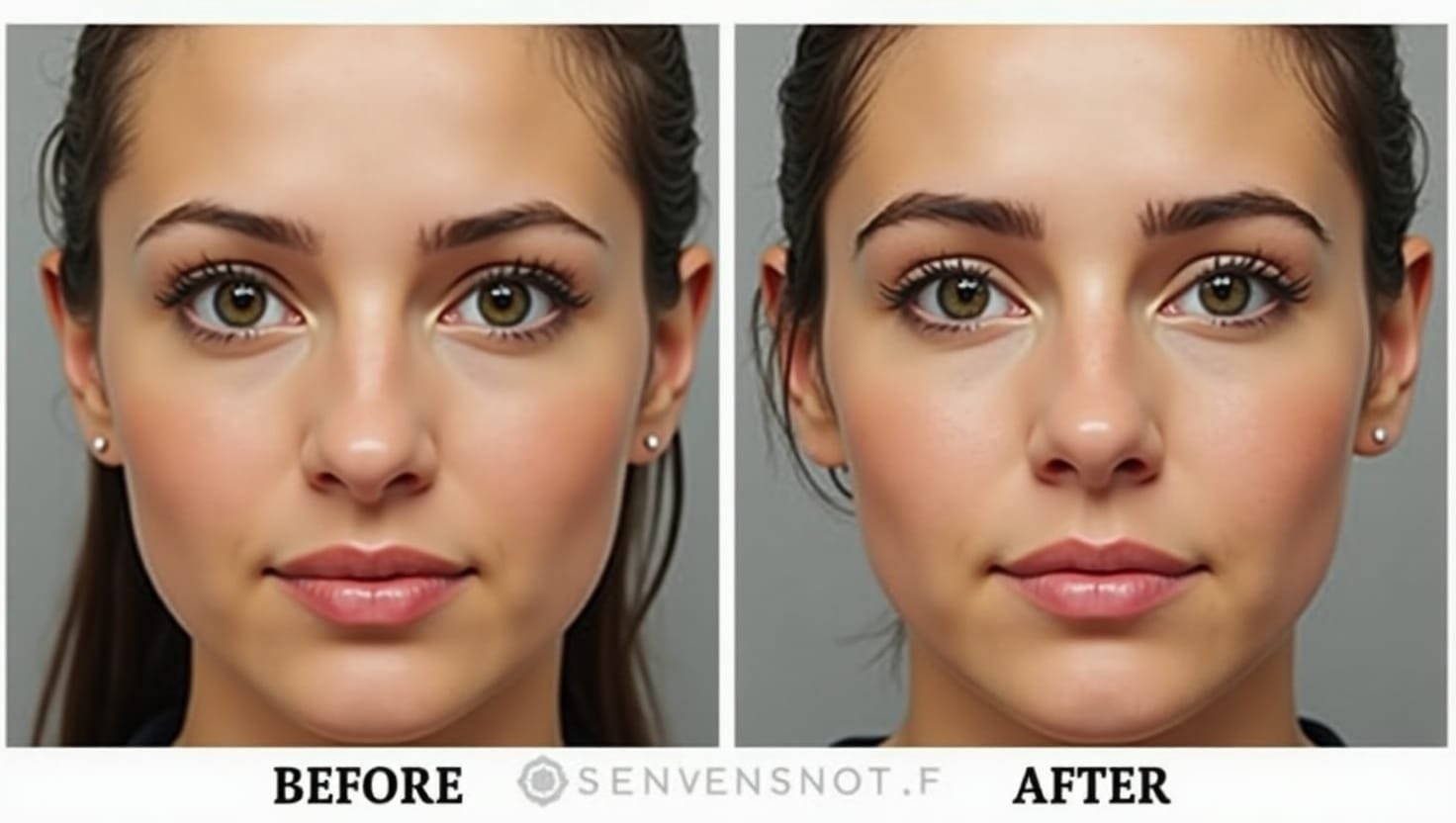
Rhinoplasty can significantly improve the appearance of the nose, aligning it more harmoniously with the rest of the facial features. This enhancement can lead to increased self-esteem and confidence.
Improved Breathing Functionality
Many individuals seek rhinoplasty not only for cosmetic reasons but also to improve nasal function. Adjustments made during the procedure can correct structural issues that hinder proper breathing, leading to better airflow and enhanced quality of life.
Resolution of Nasal Trauma Effects
For those who have suffered nasal injuries, rhinoplasty can help rectify deformities caused by trauma. This reconstructive aspect ensures that the nose looks natural and functions effectively following an injury.
Solutions for Congenital Issues
Rhinoplasty provides solutions for congenital deformities such as a deviated septum or birth defects, thereby improving both appearance and function from an early age.
Psychological Benefits
The psychological impact of rhinoplasty is profound. By enhancing a person’s self-image, rhinoplasty can contribute positively to mental health, reducing anxiety and social discomfort related to self-perception.
These benefits illustrate that rhinoplasty is not merely a cosmetic procedure but rather a multifaceted solution addressing both aesthetic desires and functional needs.