

Nasal surgery is important for improving both the appearance and function of your nose. By combining functional procedures like septoplasty with cosmetic procedures such as rhinoplasty, patients can address both aesthetic and structural issues at once. This approach can lead to multiple benefits:
- Improved Breathing: Expect breathing to start improving within weeks following the surgery.
- Enhanced Appearance: Aesthetic improvements can take up to a year to fully develop.
- Reduced Healing Time: Surgery that combines both functions can minimize the healing period, allowing you to recover faster.
Imagine leaving the operating room not only with a nose that looks better but also breathes better! With the right expertise, you don’t have to choose between these benefits. Skilled facial plastic surgeons can customize these procedures for your unique needs, ensuring you get both an appealing appearance and functional improvement. If you are considering nasal surgery, recognizing the advantages of addressing both functional and aesthetic concerns together is key for your satisfaction and long-term health.
Medical Explanation of Combining Functional and Cosmetic Nose Surgery
Combining functional and cosmetic nasal surgeries, specifically septoplasty and rhinoplasty, into a single procedure known as septorhinoplasty, offers several advantages.
Understanding Septoplasty and Rhinoplasty
- Septoplasty: This surgical procedure corrects a deviated septum—the cartilage and bone dividing the nasal cavity—to improve airflow and alleviate breathing difficulties. [Source]
- Rhinoplasty: Aimed at altering the nose’s shape or size for aesthetic purposes, rhinoplasty can also address structural issues that affect breathing. [Source]
Benefits of Combining Septoplasty and Rhinoplasty
- Single Anesthesia and Recovery Period: Undergoing both procedures simultaneously means only one exposure to anesthesia and a unified recovery timeline, reducing overall downtime. [Source]
- Cost Efficiency: Combining the surgeries can be more economical, as it consolidates expenses related to the operating room, anesthesia, and post-operative care. [Source]
- Enhanced Functional and Aesthetic Outcomes: Addressing both structural and cosmetic concerns in one procedure ensures a harmonious result, improving both nasal function and appearance. [Source]
- Reduced Risk of Complications: A single surgical session minimizes the risks associated with multiple surgeries, such as infections or adverse reactions to anesthesia. [Source]
Procedure Details
- Septoplasty: Involves repositioning or removing parts of the septal cartilage and bone to straighten the nasal passage. [Source]
- Rhinoplasty: May be performed through internal nostril incisions (closed approach) or with an additional incision between the nostrils (open approach), depending on the complexity of the reshaping required. [Source]
Recovery Considerations
Post-operative care typically includes wearing nasal splints to maintain the new structure during healing. Patients can expect swelling and discomfort for a few weeks, with full recovery taking several months. [Source]
For comprehensive information on nasal surgeries, consider consulting:
- Mayo Clinic: Offers detailed overviews of both rhinoplasty and septoplasty.
- UCSF Health: Provides insights into the differences and considerations for rhinoplasty and septoplasty.
- WebMD: Discusses the use and care of nasal splints post-surgery.
Consulting with a qualified otolaryngologist or facial plastic surgeon is essential to determine the most appropriate surgical plan tailored to individual needs.
Medical Explanation of Combining Functional and Cosmetic Nose Surgery
Combining functional and cosmetic nasal surgeries, specifically septoplasty and rhinoplasty, into a single procedure known as septorhinoplasty, offers several advantages.
Understanding Septoplasty and Rhinoplasty
- Septoplasty: This surgical procedure corrects a deviated septum—the cartilage and bone dividing the nasal cavity—to improve airflow and alleviate breathing difficulties. [Source]
- Rhinoplasty: Aimed at altering the nose’s shape or size for aesthetic purposes, rhinoplasty can also address structural issues that affect breathing. [Source]
Benefits of Combining Septoplasty and Rhinoplasty
- Single Anesthesia and Recovery Period: Undergoing both procedures simultaneously means only one exposure to anesthesia and a unified recovery timeline, reducing overall downtime. [Source]
- Cost Efficiency: Combining the surgeries can be more economical, as it consolidates expenses related to the operating room, anesthesia, and post-operative care. [Source]
- Enhanced Functional and Aesthetic Outcomes: Addressing both structural and cosmetic concerns in one procedure ensures a harmonious result, improving both nasal function and appearance. [Source]
- Reduced Risk of Complications: A single surgical session minimizes the risks associated with multiple surgeries, such as infections or adverse reactions to anesthesia. [Source]
Procedure Details
- Septoplasty: Involves repositioning or removing parts of the septal cartilage and bone to straighten the nasal passage. [Source]
- Rhinoplasty: May be performed through internal nostril incisions (closed approach) or with an additional incision between the nostrils (open approach), depending on the complexity of the reshaping required. [Source]
Recovery Considerations
Post-operative care typically includes wearing nasal splints to maintain the new structure during healing. Patients can expect swelling and discomfort for a few weeks, with full recovery taking several months. [Source]
For comprehensive information on nasal surgeries, consider consulting:
- Mayo Clinic: Offers detailed overviews of both rhinoplasty and septoplasty.
- UCSF Health: Provides insights into the differences and considerations for rhinoplasty and septoplasty.
- WebMD: Discusses the use and care of nasal splints post-surgery.
Consulting with a qualified otolaryngologist or facial plastic surgeon is essential to determine the most appropriate surgical plan tailored to individual needs.
Understanding the Benefits of Rhinoplasty
The benefits of rhinoplasty extend beyond mere aesthetic improvements. Patients can experience significant enhancements in breathing, confidence, and overall facial harmony, making it a worthwhile consideration alongside functional surgeries.
Exploring Nose Surgery Types
When thinking about nasal surgery types, it is crucial to understand the options available, including cosmetic interventions such as tip refinement, dorsal hump removal, and functional enhancements through septoplasty or turbinectomy. A personalized consultation can help clarify the best approach for your specific needs.
Patient Suitability & Safety Considerations for Combined Nasal Surgery
Combining functional and aesthetic nose surgery requires careful consideration of patient suitability and safety protocols. Here are the key attributes of ideal candidates and the essential safety assessments involved in the surgical process.
Ideal Candidates
- Healthy Adults: Candidates should be in good general health, without any significant comorbid conditions that may complicate surgery or recovery. Teenagers may be considered if nasal growth is complete.
- Realistic Expectations: Ideal candidates should have a clear understanding of the surgery’s goals and outcomes, understanding that perfection is often unattainable.
- Functional and Aesthetic Needs: Those experiencing breathing difficulties due to structural issues like a deviated septum or turbinate hypertrophy, alongside aesthetic concerns such as a dorsal hump or asymmetry, are ideally suited for the procedure.
- Non-Smokers: Candidates should ideally be non-smokers or be willing to quit smoking prior to surgery, as smoking can hinder healing and increase complications.
Safety Considerations
- Comprehensive Medical Evaluation: A thorough review of the medical history, including identification of any bleeding disorders or chronic nasal issues, is crucial to inform surgical planning. [Source]
- Nasal Airway Assessment: Evaluating both the functional aspects of the nose, such as the status of the septum and turbinates, and any structural deformities is essential. This may involve a physical exam and imaging as needed. [Source]
- Psychological Evaluation: Understanding the patient’s expectations and motivations to ensure they are realistic is paramount. [Source]
- Informed Consent: Patients must be clearly informed about the procedure, potential risks, and expected recovery to provide informed consent. A detailed discussion strengthens patient understanding and trust. [Source]
These evaluations ensure that surgical plans are personalized to optimize functional and aesthetic outcomes while minimizing risks. Dr. Gorkem Atsal emphasizes the importance of thorough assessments, aiming to create a harmonious and functional nasal structure that enhances the overall facial aesthetics while improving the patient’s quality of life.
| Feature | Functional Surgery (Septoplasty) | Cosmetic Surgery (Rhinoplasty) |
|---|---|---|
| Purpose | Improve airflow and alleviate breathing issues | Alter the shape and size of the nose for aesthetic reasons |
| Primary Focus | Nasal function and structural integrity | Facial harmony and beauty |
| Surgical Techniques | Repositioning or removing septal cartilage and bone | Reshaping the nose through various techniques |
| Healing Time | Generally quicker; improves breathing within weeks | Can take months for final aesthetic results |
| Ideal Candidates | Individuals with breathing difficulties due to structural issues | Individuals seeking aesthetic improvements |
| Potential Risks | Risks include bleeding and infection | Risks include changes in sensation and dissatisfaction with results |
| Combination | Can be performed with rhinoplasty for comprehensive treatment | Can be performed alongside functional improvements |
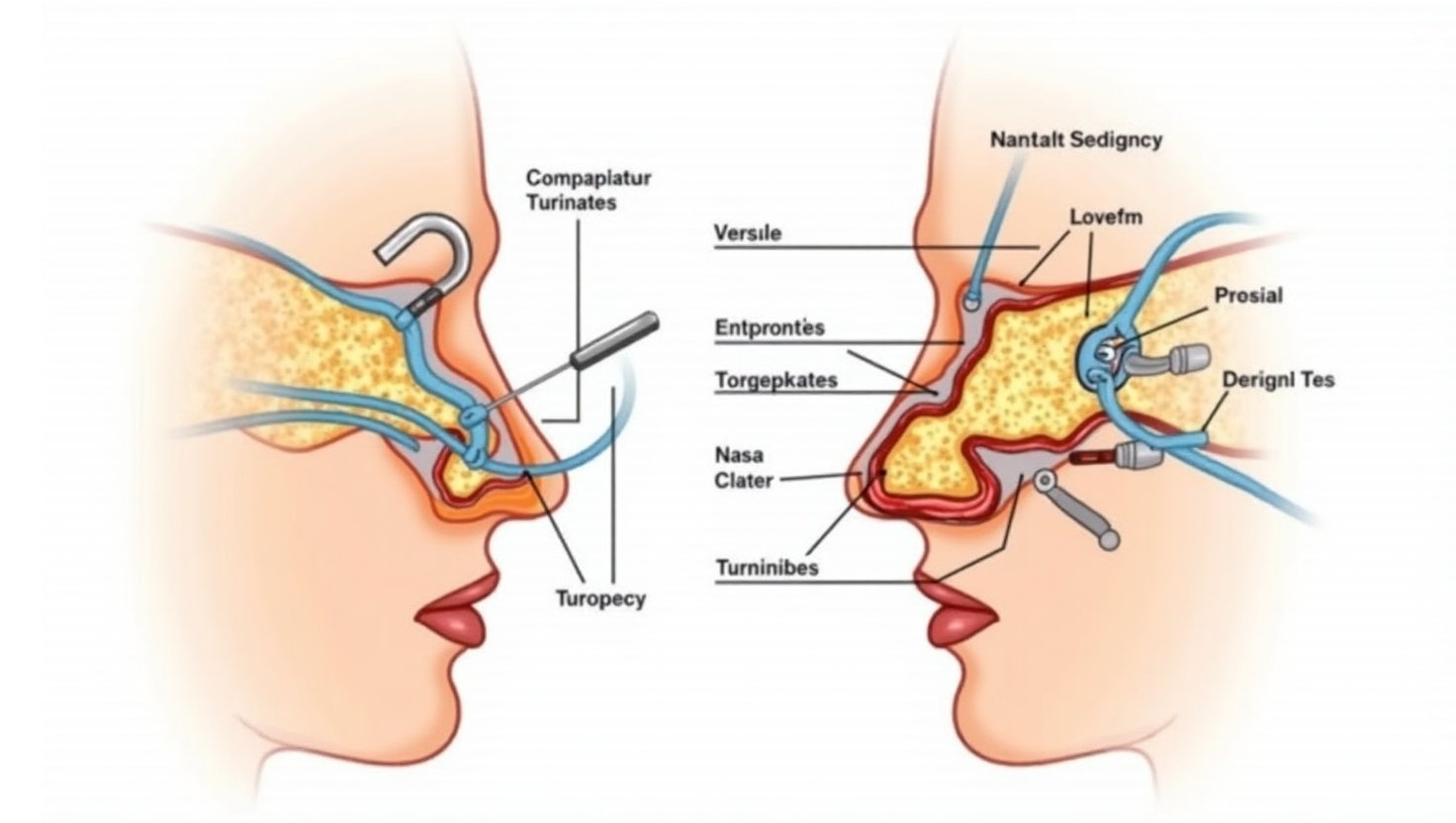

For those considering nasal surgery, Dr. Gorkem Atsal’s clinic offers specialized rhinoplasty services that cater to both functional and aesthetic needs. By integrating these two aspects, patients can achieve not only a pleasing appearance but also improved breathing function.
If you would like to learn more about the benefits of rhinoplasty or schedule a consultation, please visit the clinic’s website for comprehensive information and expert advice.
References Supporting Combined Nasal Surgery Procedures
- PubMed Articles on Functional and Aesthetic Nasal Surgery: Research has shown that combining functional and aesthetic surgeries can yield positive outcomes for patients. Notable studies include:
- The Effect of Functional Rhinoplasty on Quality of Life: A Systematic Review and Meta-Analysis highlights the improvements in quality of life post-surgery.
- Quality of Life After Septorhinoplasty: A Prospective Study discusses patient satisfaction and outcomes following combined surgeries.
- Assessment of Functional and Aesthetic Outcomes in Septorhinoplasty evaluates the benefits of addressing both aspects simultaneously.
- Evaluating Change in Quality of Life as Long-Term Outcome Measure Post Septorhinoplasty: A Systematic Review explores long-term satisfaction results after septorhinoplasty.
- Outcome of Nasal Valve Obstruction After Functional and Aesthetic-Functional Rhinoplasty provides insights into functional improvements after surgery.
- NHS Guidelines on Septoplasty: The NHS outlines advantages for septorhinoplasty, stating that:
- It improves nasal function and aesthetics, and allows for comprehensive treatment in a single surgery (Information after Septorhinoplasty | CUH).
- Operations are primarily indicated for functional improvement, with aesthetic enhancements being secondary and not funded unless there is a functional impairment (SRP 089 Septoplasty).
- ASPS Insights on Safety and Suitability: The American Society of Plastic Surgeons discusses the importance of preoperative assessments to ensure safety, with guidelines highlighting:
- Comprehensive evaluation for airway assessment to identify functional issues before proceeding (ASPS16 Airway Assessment).
- Shared decision-making strategies for postoperative pain management, emphasizing multimodal approaches (ASPS18 Shared Decision-Making).
- Clinical practice guidelines to optimize functional and aesthetic outcomes after rhinoplasty (Clinical Practice Guideline).
These references underscore the medical backing for combining functional and aesthetic procedures in nasal surgery, affirming safety, efficacy, and the overall benefit to patient quality of life.
Consult Dr. Gorkem Atsal for Your Nasal Surgery Needs
If you are considering combined functional and cosmetic nose surgery, Dr. Gorkem Atsal is a highly regarded board-certified facial plastic surgeon specializing in this area. With his expertise, he can guide you through both the aesthetic and functional aspects of your nasal surgery, ensuring a personalized approach tailored to your unique needs.
Located in Istanbul, Turkey, Dr. Atsal’s clinic is part of a trusted medical tourism destination known for its skilled professionals and state-of-the-art facilities. Many patients have found success and satisfaction through his guidance and care.
Don’t hesitate to take the next step towards enhancing both your nose’s appearance and functionality. Arrange a consultation with Dr. Gorkem Atsal today and discover how he can help you achieve your desired results!
Improved Narrative Transitions Between Sections
To enhance the narrative flow within the article, let’s consider the following transitions between the paragraphs:
Between Introduction and Medical Explanation:
As we transition from the introduction that emphasizes the combined benefits of nasal surgery, it becomes crucial to explore the specific medical procedures involved. Understanding these procedures not only frames the discussion but also sets the stage for appreciating how each element works together to achieve optimal results.
Between Medical Explanation and Patient Suitability:
Now that we have outlined the medical details surrounding septoplasty and rhinoplasty, it is imperative to identify who can best benefit from these combined surgeries. Assessing the suitability of patients ensures that those with specific functional and aesthetic needs receive optimal care tailored to their conditions.
Between Patient Suitability & Safety Considerations and Comparative Table:
Having established the criteria for ideal candidates and the necessary safety precautions, it is also essential to compare the nuances of functional versus cosmetic surgery. This comparative analysis will further clarify the distinctions and intersections between these two procedures, allowing for informed decision-making.
Transitioning to Recovery Timeline:
With clarity on both patient suitability and the specifics of surgical procedures, an understanding of the recovery process becomes vital. Recovery timelines offer insight into what candidates can expect after undergoing combined nasal surgeries, ultimately guiding them through their post-operative journey.
By incorporating these transitional phrases, the overall article will maintain a coherent flow, enhancing the reader’s understanding of combined functional and cosmetic nose surgery while ensuring that key information is presented effectively without unnecessary repetition.
Recovery Considerations
Post-operative care typically includes wearing nasal splints to maintain the new structure during healing. Patients can expect swelling and discomfort for a few weeks, with full recovery taking several months. To give you a clearer picture of the recovery timeline, refer to the following visual recovery timeline:
This chart illustrates the recovery journey for patients undergoing combined nasal surgery, highlighting key milestones such as initial recovery phases, follow-up appointments, and the timeline for seeing aesthetic results. A successful recovery is a gradual process, and it is worth noting the importance of following your surgeon’s post-operative guidelines to optimize healing.
For comprehensive information on nasal surgeries, consider consulting:
- Gorkem Atsal Clinic: Offers detailed overviews of both rhinoplasty and septoplasty.
- UCSF Health: Provides insights into the differences and considerations for rhinoplasty and septoplasty.
- WebMD: Discusses the use and care of nasal splints post-surgery.
