
Introduction
As we look toward the future of facial plastic surgery in 2025 and beyond, the industry is experiencing a remarkable evolution driven by changing patient preferences and innovative techniques. Recent statistics indicate an 8% increase in facelift procedures among patients who are increasingly prioritizing authentic, natural results. A notable statistic from the American Academy of Facial Plastic and Reconstructive Surgery (AAFPRS) shows that 68% of its members report their patients’ top concern is to avoid looking unnatural, emphasizing a shift towards authenticity in aesthetic procedures.
Dr. Gorkem Atsal aptly captures this sentiment, stating, “Patients aren’t asking to look like someone else; they’re asking to look like themselves at their best.” This ideal reflects a broader trend toward personalized care, as more patients are now expressing a desire for treatments that enhance their unique features rather than conforming to a standardized beauty ideal.
Regenerative medicine is playing a pivotal role in this transformation, with 57% of facial plastic surgeons citing it as a major growth area. Innovative techniques, like the integration of exosomes and biostimulators, are redefining the possibilities in facial rejuvenation, helping to boost natural collagen production and improve healing processes.
This article delves into the emerging trends shaping the future of facial plastic surgery, particularly focusing on the facelift, and how a renewed emphasis on natural outcomes and tailored treatments is set to revolutionize patient experiences and satisfaction in aesthetic procedures. As we explore these trends, we will underline the importance of personalized care, authenticity, and the ongoing strive for beauty that resonates with each patient’s individuality.
Facelift Techniques: Deep Plane Facelift Overview
The deep plane facelift is an advanced surgical technique that focuses on delivering natural and long-lasting results by addressing deeper facial structures. By repositioning the deeper layers of the face, including muscles and fat pockets, the deep plane facelift enhances facial contours while minimizing the risk of visible scarring and the “pulled” appearance often associated with traditional facelifts.
Benefits of Deep Plane Facelift
- Natural Results: The deep plane approach facilitates comprehensive correction of midface sagging and lowers facial volume loss without the tension that can lead to a stretched look. Studies indicate that patients appreciate a more youthful and harmonious facial profile.
- Long-Lasting Effects: Research suggests that results from a deep plane facelift can last upwards of 10 to 15 years, significantly longer than traditional methods that generally offer results for 5-10 years. This longevity is associated with the more profound structural changes made during the procedure.
- Reduced Skin Tension: By operating beneath the SMAS (Superficial Musculoaponeurotic System), the technique reduces tension placed on the skin surface, leading to less postoperative discomfort and improved scar quality.
Potential Complications
Although the deep plane facelift is associated with several benefits, like all surgical procedures, it is not without risks. Potential complications can include:
- Hematoma Formation: This occurs in about 1-2% of patients and may require drainage.
- Nerve Injury: Temporary facial nerve dysfunction can happen (less than 1% of cases), typically resolving spontaneously within a few weeks.
- Infection: While rare, infections may develop and often can be treated effectively with antibiotics.
- Skin Slough: A complication affecting less than 3% of cases, primarily at the incision sites.
Recovery Aspects
The recovery process following a deep plane facelift involves a timeline during which swelling and bruising will gradually subside:
- First 24 Hours: Patients may experience discomfort, requiring pain management.
- Days 2 to 3: Swelling peaks and bruising becomes more pronounced. Patients are generally advised to keep their head elevated.
- Days 5 to 10: Stitches may be removed or begin to dissolve; patients can start engaging in light activity.
- Weeks 2 to 3: Most significant swelling diminishes, allowing many patients to return to work and social settings.
- Months 3 to 6: Patients notice the final results as facial contours normalize.
Overall, the deep plane facelift offers significant benefits for facial rejuvenation by addressing deeper structures of the face, resulting in more natural-looking and longer-lasting results compared to traditional facelift methods. Engaging in thorough consultations with a board-certified plastic surgeon will help individuals make informed decisions based on their unique needs and aesthetic goals.
References
Patient Suitability & Safety
When considering a facelift procedure, patient suitability is determined by various factors, including age, health status, and individual cosmetic goals. Understanding these criteria is essential for ensuring the best outcomes and maintaining patient safety.
Criteria for Patient Suitability
- Age: While there is no strict age limit for facelift surgery, most candidates are typically in their 40s to 70s. The skin’s elasticity and the overall health of facial structures are crucial factors. Patients with significant sagging skin or those displaying early signs of aging may benefit more from facelift surgery.
- Health Status: Candidates should be in good overall health, without any chronic medical conditions that might complicate surgery or impede recovery. Important considerations include:
- Cardiovascular Health: Individuals with heart conditions must be evaluated thoroughly.
- Blood Clotting Disorders: Patients who experience excessive bleeding should discuss this with their surgeon.
- Smoking and Alcohol Use: Both can adversely affect healing and increase surgical risks. Patients are advised to quit smoking at least several weeks prior to surgery.
- Cosmetic Goals: A clear understanding of one’s aesthetic desires is vital. Patients should ideally seek realistic results that enhance their natural features rather than altering their appearance significantly.
Safety Measures and Standards
At Dr. Gorkem Atsal’s clinic, patient safety is the top priority. The clinic adheres to stringent safety standards, including:
- Comprehensive Pre-operative Assessments: Each patient undergoes a thorough evaluation to ensure they are suitable candidates for the surgery. This includes a medical history review, physical examination, and discussions regarding expectations.
- State-of-the-Art Facilities: The clinic is equipped with advanced surgical tools and technology to enhance patient care and outcomes.
- Qualified Staff: The surgical team consists of experienced professionals who are trained in the latest techniques to minimize risks and ensure optimal results.
- Post-operative Care: Comprehensive aftercare is provided to monitor patient recovery closely and address any concerns promptly.
In conclusion, understanding the factors that contribute to patient suitability and prioritizing safety measures are essential steps in preparing for a facelift procedure. Patients should be empowered to have in-depth consultations with their surgeon to discuss their individual cases thoroughly, ensuring a safe and effective surgical experience.
Patient Suitability & Safety
When considering advanced facial plastic surgery procedures, it is crucial to determine who is suitable for such treatments, especially in light of emerging trends. Personalization and individual assessment are key elements in ensuring not only aesthetic satisfaction but also patient safety.
Criteria for Patient Suitability
- Age and Skin Condition: Typically, patients aged 40 and older are ideal candidates as they often exhibit visible signs of aging that can be effectively addressed through surgery. However, younger individuals may also consider procedures if they are facing specific aesthetic concerns.
- Health Status: Candidates should be in overall good health, free from chronic conditions that could complicate surgery or recovery. Particular attention is paid to:
- Cardiovascular Health: Essential for assessing surgical risks.
- Blood Circulation: Disorders that compromise blood flow could impede healing post-surgery.
- Lifestyle Factors: Smoking and excessive alcohol consumption can adversely affect surgical outcomes and post-operative recovery.
- Realistic Expectations: It is vital for patients to have a clear understanding of their aesthetic goals, striving for enhancements that complement their natural features rather than unrealistic transformations.
Safety Protocols for International Patients
Patients traveling from abroad for surgery in Turkey should be aware of specific safety protocols that clinics, such as those run by Dr. Gorkem Atsal, have in place to ensure a secure and supportive environment:
- Thorough Pre-Operative Evaluations: Each international patient undergoes a comprehensive assessment to ascertain their eligibility for surgery, including medical history reviews and physical evaluations to tailor the approach.
- High-Quality Facilities: Clinics adhere to international standards of care, utilizing advanced technology and equipment to ensure patient safety and favorable outcomes.
- Qualified Surgical Team: Procedures are conducted by certified specialists with experience in the latest surgical techniques, ensuring protocols that minimize risks and complications.
- Detailed Aftercare Plans: Post-surgery, patients receive continuous support and guidance regarding recovery processes, including follow-up consultations to address any issues promptly.
Ultimately, patient safety forms the bedrock of advanced facial plastic surgery. Engaging in informative consultations allows international patients to discuss their unique cases thoroughly, empowering them to make educated decisions about their treatment options. This personalized approach facilitates a safe and effective surgical experience, aligning with both aesthetic desires and health considerations.
Patient Suitability & Safety
When considering facelift procedures, patient suitability is influenced by various factors, including overall health, age, and individual cosmetic goals. Understanding these elements is critical for achieving optimal outcomes and ensuring safety.
Factors Influencing Patient Suitability
- Age: While there isn’t a specific age restriction, candidates are generally between 40 and 70 years old. At this age, signs of aging like skin laxity and facial volume loss are more pronounced, making surgical intervention likely beneficial.
- Health Status: Candidates should be in good health with no chronic conditions that might complicate surgery or recovery. Key health considerations include:
- Cardiovascular Issues: Individuals with heart conditions must be thoroughly evaluated to mitigate risks during and after the surgery.
- Blood Clotting Disorders: Those with conditions that cause excessive bleeding should inform their surgeon, as this could affect safety and recovery.
- Lifestyle Choices: Smoking and heavy drinking can hinder healing and increase complications; patients should ideally quit these habits weeks prior to surgery.
- Aesthetic Goals: Candidates need a clear understanding of their cosmetic desires and should aim for realistic improvements that enhance their natural beauty instead of drastic alterations.
Emphasizing Safety in Facelift Procedures
Ensuring patient safety is paramount in facelift surgeries. At Dr. Gorkem Atsal’s clinic, rigorous safety protocols are established, including:
- Thorough Pre-Operative Assessments: Each prospective patient undergoes an in-depth evaluation, encompassing medical history and lifestyle factors to confirm candidacy for surgery.
- State-of-the-Art Facilities: The clinic utilizes advanced surgical technology to enhance effectiveness while prioritizing patient safety.
- Trained Surgical Staff: Procedures are conducted by certified surgeons skilled in cutting-edge techniques designed to minimize risks and complications.
- Post-Operative Care: Robust aftercare includes constant monitoring and follow-up to ensure proper healing and to address any arising concerns promptly.
The Role of Regenerative Medicine in Safety
Regenerative medicine is an integral part of enhancing safety and outcomes in facelift procedures. Innovations such as exosome therapy and biostimulators support healing and skin rejuvenation, decreasing recovery times and improving the overall aesthetic results. For instance, exosomes help promote cell regeneration and enhance tissue repair, which can mitigate some risks associated with surgical recovery.
In summary, evaluating patient suitability involves assessing age, health status, and aesthetic aspirations. With a strong emphasis on safety protocols and the innovative application of regenerative medicine, facelift procedures can be tailored to meet individual needs effectively. Patients are encouraged to engage in detailed consultations to discuss their unique situations and ensure a safe, satisfying surgical experience.
| Procedure | Patient Benefits | Recovery Time | Expected Outcomes |
|---|---|---|---|
| Deep Plane Facelift |
|
2-4 weeks | Improved facial contours, youthful appearance maintained |
| Neck Lift |
|
2-4 weeks | Tighter skin with reduced sagging, rejuvenated neck area |
| Short-Scar Facelift |
|
1-2 weeks | Refreshing appearance with less dramatic results |
| Mini Facelift |
|
1-2 weeks | Subtle enhancements with minimal recovery time |
| Thread Lift |
|
1 week | Immediate lift with gradual improvement over time |
| S-Lift |
|
1-2 weeks | Enhanced facial aesthetics with natural-looking results |
| Mid-Facelift |
|
1-2 weeks | Improved cheek fullness and overall facial balance |
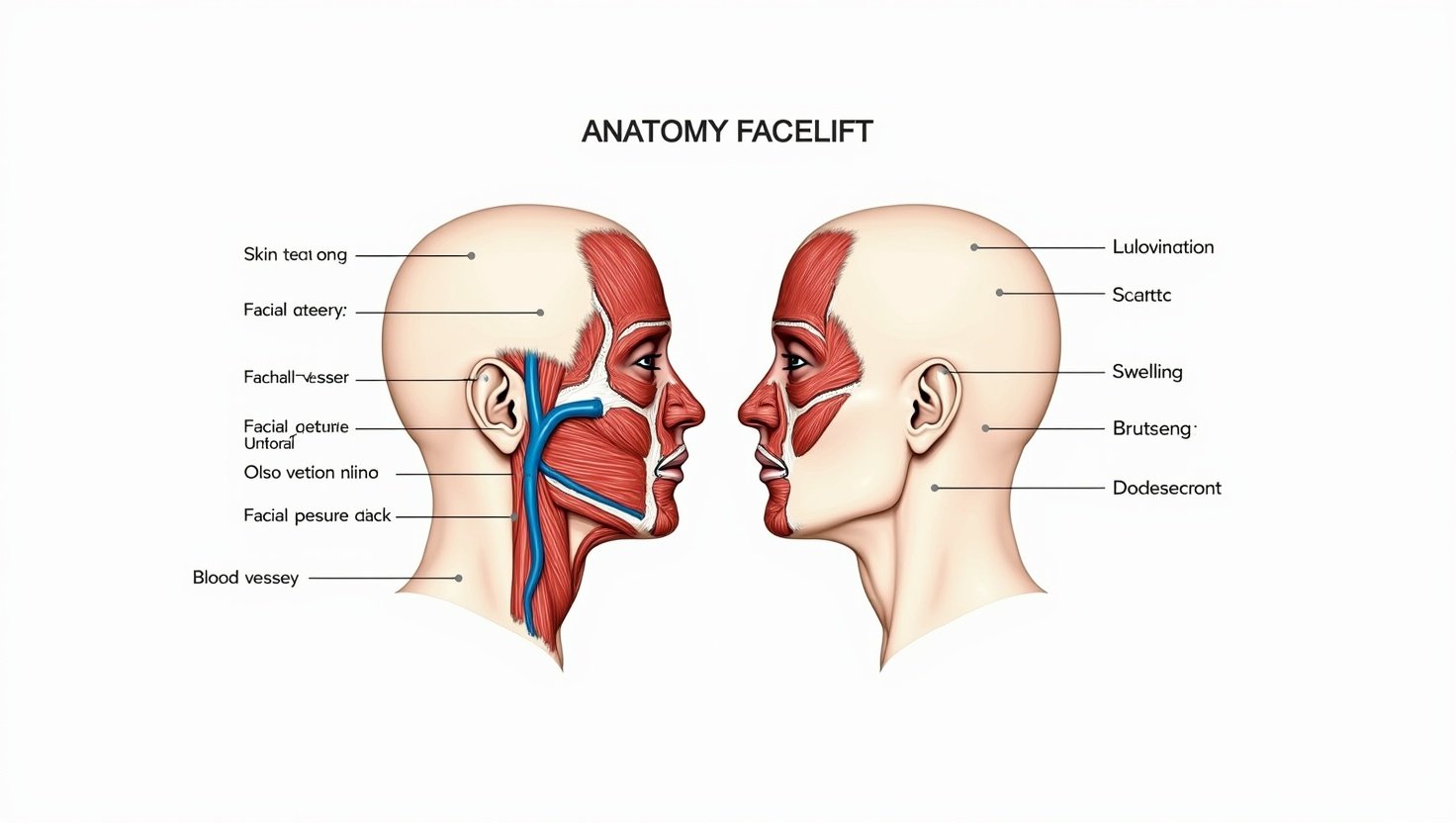
Facelift Recovery Timeline
This chart illustrates the typical recovery timeline following a facelift procedure. It outlines different stages from immediate post-operative care through full recovery, highlighting what patients can expect during each phase.
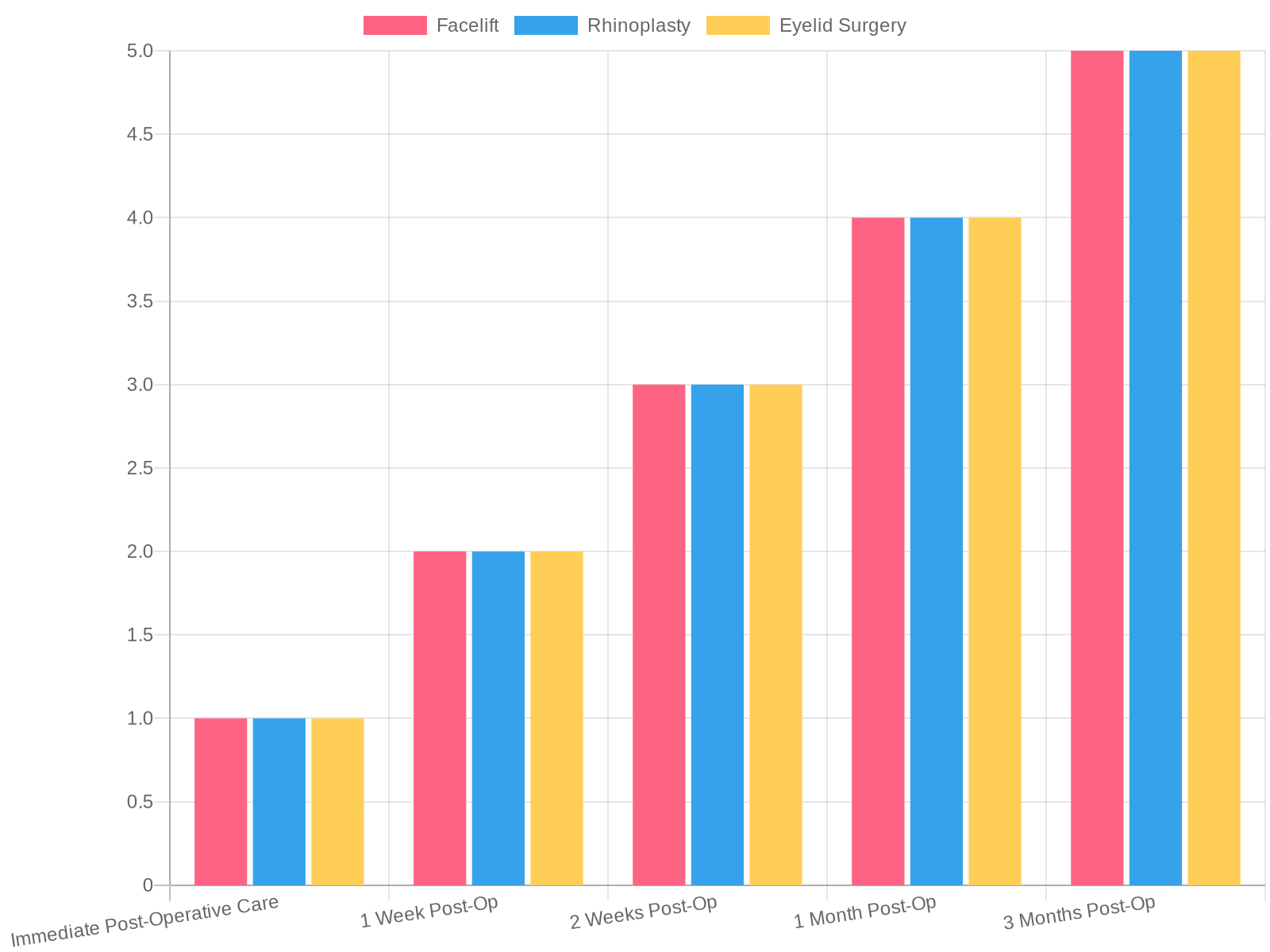
Facelift Recovery Timeline
This chart illustrates the typical recovery timeline following a facelift procedure. It outlines different stages from immediate post-operative care through full recovery, highlighting what patients can expect during each phase.
For a comprehensive understanding of facial plastic surgery options, consider exploring the following related services offered by Dr. Gorkem Atsal:
These links will guide you to detailed information about each procedure, helping you make an informed decision about your aesthetic goals.
External References
- Digital Transformation in Facial Cosmetic Implant Procedures – PubMed
This review explores the use of virtual surgical planning and 3D printing in creating patient-specific facial implants. Materials such as solid silicone, 3D-printed titanium, and high-density porous polyethylene are utilized to enhance facial contours. The study highlights the benefits of internal fixation to prevent implant migration and notes occurrences of heterotopic bone formation and bone ingrowth into 3D-printed titanium implants. - Exosomes in Facial Plastic Surgery – PubMed
This article discusses the emerging role of exosomes in facial plastic surgery, emphasizing their potential in modulating wound healing, skin rejuvenation, hair growth, and nerve regeneration. While early clinical evidence suggests benefits in enhancing recovery after laser resurfacing and treating acne scars, the study notes that no exosome products are currently FDA-approved for medical use, and they should be considered experimental until further regulatory approval and clinical validation. - Regenerative and Stem Cell-Based Techniques for Facial Rejuvenation – PubMed
This review examines innovative techniques in facial rejuvenation, focusing on regenerative stem cell methods and supportive modalities like nanotechnology and gene therapies. It discusses the potential of “precision cosmetic medicine” that tailors rejuvenation techniques based on individual genetic makeup, aiming to proactively study these approaches before they become mainstream. - Advances in Regenerative Medicine, Cell Therapy, and 3D Bioprinting for Corneal, Oculoplastic, and Orbital Surgery – PubMed
This article explores how regenerative medicine, cell therapy, and 3D bioprinting are transforming ocular surgeries. It highlights the potential of these technologies to enhance treatment precision and functional outcomes in corneal, oculoplastic, and orbital procedures, addressing limitations in traditional surgical interventions. - Innovations and Future Directions in Head and Neck Microsurgical Reconstruction – PubMed
This review examines recent innovations in head and neck reconstructive microsurgery, including virtual surgical planning, 3D printing in craniofacial reconstruction, advances in intraoperative navigation and imaging, and the integration of regenerative medicine and stem cell biology. It also discusses the significant advancements in face transplantation.
Schedule Your Consultation with Dr. Gorkem Atsal
Choosing to enhance your appearance through facial plastic surgery is a significant decision, and having the right expert to guide you through this journey is essential. Dr. Gorkem Atsal, a board-certified facial plastic surgeon based in Istanbul, Turkey, is renowned for his commitment to providing personalized and regenerative care that empowers patients to achieve their aesthetic goals.
Istanbul is a premier destination for medical tourism, offering world-class facilities and highly skilled professionals. Patients from around the globe are drawn to this vibrant city not only for its rich cultural history but also for the exceptional quality of care available at clinics like Dr. Atsal’s.
Whether you are interested in a facelift, rhinoplasty, or other aesthetic procedures, Dr. Atsal is dedicated to understanding your unique needs and helping you achieve beautiful, natural results. With a focus on authenticity and individualized treatment plans, you can trust that your care will be tailored specifically for you.
To take the first step toward rejuvenating your appearance, we invite you to arrange a consultation. You can easily book an in-person or online consultation through our clinic’s website: Dr. Gorkem Atsal’s Clinic or contact us directly at Contact Clinic Aesthetic. Your path to a more confident you begins here!
Emerging Trends in Facial Plastic Surgery
As we approach 2025, the landscape of facial plastic surgery is rapidly transforming, primarily driven by advancements in regenerative care, personalized treatment approaches, and the integration of artificial intelligence (AI) technologies. These trends signal a shift toward more patient-centric practices that prioritize individual needs and enhance surgical outcomes.
Regenerative Care
Regenerative medicine represents a forefront in facial aesthetics, emphasizing treatments that harness the body’s natural healing processes. According to the American Academy of Facial Plastic and Reconstructive Surgery (AAFPRS), 57% of facial plastic surgeons identify regenerative medicine as a pivotal growth area, and one in four anticipate a central role for exosomes in these treatments. Therapies that utilize biostimulators such as poly-L-lactic acid and calcium hydroxyapatite are increasingly combined with energy-based modalities like radiofrequency microneedling to promote collagen and elastin regeneration. This trend indicates a growing preference for less invasive, yet effective options that mesh seamlessly with patients’ natural biology and aesthetic goals. AAFPRS 2026 Aesthetic Trends
Personalized Treatment Plans
The advent of AI and digital imaging technologies has revamped the approach to treatment planning in facial plastic surgery. These advanced systems enable clinicians to create highly detailed, individualized treatment plans tailored specifically to each patient’s unique anatomy and desired outcomes. Using sophisticated imaging techniques and simulations, practitioners can present potential results to patients, enhancing decision-making and ensuring alignment with personal aesthetic goals. This personalized approach aligns with the increasing patient demand for treatments that not only deliver aesthetic improvement but also adhere to individual identity and preferences. AAD Annual Meeting News
Implications of AI Technologies
The integration of AI tools in facial plastic surgery is growing at an impressive rate. In 2022, the AI market in the aesthetics industry was valued at $1.2 billion and is projected to reach $4.3 billion by 2030. Notably, 68% of aesthetic clinics now utilize AI technologies to enhance both efficiency and patient satisfaction. AI-driven skin analysis tools can boast accuracy rates as high as 90%, providing potential patients with a more precise understanding of their skin conditions and treatment options. Moreover, 45% of consumers express preference for clinics employing AI consultations, signaling a marked shift in expectations regarding personalized care. AI In The Aesthetics Industry Statistics
In conclusion, the fields of regenerative medicine, personalized care, and AI technologies are shaping the future of facial plastic surgery. These trends not only enhance the overall patient experience but also promise to elevate the effectiveness and safety of aesthetic treatments, allowing for improved outcomes that resonate with individual patient identities and desires.
Emerging Trends in Facial Plastic Surgery
As we approach 2025, the landscape of facial plastic surgery is rapidly transforming, primarily driven by advancements in regenerative care, personalized treatment approaches, and the integration of artificial intelligence (AI) technologies. These trends signal a shift toward more patient-centric practices that prioritize individual needs and enhance surgical outcomes.
Regenerative Care
Regenerative medicine represents a forefront in facial aesthetics, emphasizing treatments that harness the body’s natural healing processes. According to the American Academy of Facial Plastic and Reconstructive Surgery (AAFPRS), 57% of facial plastic surgeons identify regenerative medicine as a pivotal growth area, and one in four anticipate a central role for exosomes in these treatments. Therapies that utilize biostimulators such as poly-L-lactic acid and calcium hydroxyapatite are increasingly combined with energy-based modalities like radiofrequency microneedling to promote collagen and elastin regeneration. This trend indicates a growing preference for less invasive, yet effective options that mesh seamlessly with patients’ natural biology and aesthetic goals. AAFPRS 2026 Aesthetic Trends
Personalized Treatment Plans
The advent of AI and digital imaging technologies has revamped the approach to treatment planning in facial plastic surgery. These advanced systems enable clinicians to create highly detailed, individualized treatment plans tailored specifically to each patient’s unique anatomy and desired outcomes. Using sophisticated imaging techniques and simulations, practitioners can present potential results to patients, enhancing decision-making and ensuring alignment with personal aesthetic goals. This personalized approach aligns with the increasing patient demand for treatments that not only deliver aesthetic improvement but also adhere to individual identity and preferences. AAD Annual Meeting News
Implications of AI Technologies
The integration of AI tools in facial plastic surgery is growing at an impressive rate. In 2022, the AI market in the aesthetics industry was valued at $1.2 billion and is projected to reach $4.3 billion by 2030. Notably, 68% of aesthetic clinics now utilize AI technologies to enhance both efficiency and patient satisfaction. AI-driven skin analysis tools can boast accuracy rates as high as 90%, providing potential patients with a more precise understanding of their skin conditions and treatment options. Moreover, 45% of consumers express preference for clinics employing AI consultations, signaling a marked shift in expectations regarding personalized care. AI In The Aesthetics Industry Statistics
In conclusion, the fields of regenerative medicine, personalized care, and AI technologies are shaping the future of facial plastic surgery. These trends not only enhance the overall patient experience but also promise to elevate the effectiveness and safety of aesthetic treatments, allowing for improved outcomes that resonate with individual patient identities and desires.
Emerging Trends in Facial Plastic Surgery
As we approach 2025, the field of facial plastic surgery is in the midst of dramatic change. This transformation is largely driven by advancements in regenerative care, personalized treatment approaches, and the integration of artificial intelligence (AI) technologies. These trends reflect a movement towards more patient-centered practices that prioritize individual needs and aim to improve surgical outcomes.
Regenerative Care
Regenerative medicine is becoming a central theme in facial aesthetics. It emphasizes treatments that utilize the body’s natural healing processes. According to the American Academy of Facial Plastic and Reconstructive Surgery (AAFPRS), 57% of facial plastic surgeons consider regenerative medicine a crucial growth area. Furthermore, one in four anticipates that exosomes will play a vital role in these treatments. Therapies involving biostimulators, such as poly-L-lactic acid and calcium hydroxyapatite, are increasingly being combined with energy-based methods like radiofrequency microneedling. These innovations promote collagen and elastin regeneration. This trend illustrates a rising preference for less invasive yet effective options that align with patients’ biology and aesthetic aspirations. AAFPRS 2026 Aesthetic Trends
Personalized Treatment Plans
The incorporation of AI and digital imaging technologies has revolutionized treatment planning in facial plastic surgery. Clinicians can now create highly detailed, individualized treatment plans tailored to each patient’s unique anatomy and desired results. Using advanced imaging techniques and simulations, practitioners can present potential outcomes to patients. This enhances decision-making and helps align treatments with personal aesthetic goals. This personalized method meets the rising demand for procedures that deliver aesthetic improvement while respecting individual identity and preferences. AAD Annual Meeting News
Implications of AI Technologies
The use of AI in facial plastic surgery is expanding rapidly. In 2022, the AI market for the aesthetics industry was valued at $1.2 billion and is expected to grow to $4.3 billion by 2030. Notably, 68% of aesthetic clinics now utilize AI technology, enhancing both efficiency and patient satisfaction. AI-driven skin analysis tools provide accuracy rates of up to 90%. This offers potential patients a clearer understanding of their skin conditions and treatment options. Additionally, about 45% of consumers prefer clinics that offer AI consultations, indicative of changing expectations concerning personalized care. AI In The Aesthetics Industry Statistics
In summary, regenerative medicine, personalized care, and AI technologies are shaping the future of facial plastic surgery. These trends enhance patient experiences and aim to improve the effectiveness and safety of aesthetic treatments. They allow for outcomes that resonate with each patient’s individual identity and desires.
Schedule Your Consultation with Dr. Gorkem Atsal
Choosing to enhance your appearance through facial plastic surgery is a significant decision, and having the right expert to guide you through this journey is essential. Dr. Gorkem Atsal, a board-certified facial plastic surgeon based in Istanbul, Turkey, is renowned for his commitment to providing personalized and regenerative care that empowers patients to achieve their aesthetic goals.
Istanbul is a premier destination for medical tourism, offering world-class facilities and highly skilled professionals. Patients from around the globe are drawn to this vibrant city not only for its rich cultural history but also for the exceptional quality of care available at clinics like Dr. Atsal’s.
Whether you are interested in a facelift, rhinoplasty, or other aesthetic procedures, Dr. Atsal is dedicated to understanding your unique needs and helping you achieve beautiful, natural results. With a focus on authenticity and individualized treatment plans, you can trust that your care will be tailored specifically for you.
To take the first step toward rejuvenating your appearance, we invite you to arrange a consultation. You can easily book an in-person or online consultation through our clinic’s website: Dr. Gorkem Atsal’s Clinic or contact us directly at Contact Clinic Aesthetic. Your path to a more confident you begins here!
Evolving Trends in Facial Plastic Surgery
The landscape of facial plastic surgery is undergoing significant transformation, primarily influenced by trends in regenerative medicine and personalized care. These advancements not only shift the focus of aesthetic treatments but also enhance patient satisfaction and recovery outcomes, particularly in facelift procedures.
Regenerative Medicine: A Major Growth Area
According to a recent survey by the American Academy of Facial Plastic and Reconstructive Surgery (AAFPRS), 57% of facial plastic surgeons view regenerative medicine as a significant growth area. This trend is marked by the increasing use of biologic products such as biostimulators, exosomes, and growth factors, which aid in tissue regeneration and healing. These treatments emphasize natural rejuvenation rather than merely cosmetic enhancements, helping patients achieve results that align more closely with their individual aesthetics and health profiles.
Role of Exosomes in Facial Aesthetics
Exosomes, microscopic vesicles released by cells, have emerged as a notable focus in facial plastic surgery. They possess the ability to enhance cellular communication and promote tissue repair. Current research highlights their potential in skin rejuvenation and wound healing, although they remain largely experimental pending further clinical validation. As one study notes, combining exosome therapy with other treatments such as microneedling demonstrates improved skin texture and reduced signs of aging [PubMed].
Personalized Treatment Approaches
The integration of artificial intelligence (AI) technologies in facial plastic surgery is reshaping treatment planning and patient engagement. Surgeons can now utilize AI-driven tools to create highly individualized treatment plans, predicting potential outcomes and optimizing surgical techniques. AI technologies enhance diagnostic accuracy and procedural efficiency, shifting the experience from one-size-fits-all to tailored treatments that reflect each patient’s unique anatomy and expectations. Research shows that 68% of patients prefer clinics utilizing AI methods, indicating a growing demand for precision-driven aesthetics [PubMed].
Clinical Implications for Facelift Procedures
For facelift procedures, these trends mean patients can anticipate results that are not only aesthetically pleasing but also harmonized with their natural features. Innovations like regenerative therapies can aid in quicker recovery and longer-lasting outcomes, minimizing the risk of complications. The focus on patient individuality ensures that expectations align closely with the results achieved, addressing the prevalent concern of unnatural appearances expressed by many patients today.
In summary, the evolving trends in facial plastic surgery reflect a commitment to holistic, personalized care that prioritizes not only aesthetic enhancement but also the natural beauty and health of each individual. Patients can expect more sophisticated, science-backed approaches to their surgical journeys, ensuring both satisfaction and safety at every step.
Current Advances in Facial Plastic Surgery
Facial plastic surgery is evolving rapidly, particularly through advancements in regenerative medicine, personalized care technologies, and innovative surgical techniques. This focus towards individualized treatments is reshaping the landscape of aesthetic procedures, specifically in facelift techniques.
Regenerative Medicine and Exosomes
Regenerative medicine is gaining momentum in the field of facial aesthetics. A recent survey by the American Academy of Facial Plastic and Reconstructive Surgery (AAFPRS) indicates that 57% of facial plastic surgeons view regenerative medicine as a primary growth area. Among the emerging technologies, exosomes are at the forefront. These tiny vesicles promote tissue repair and enhance healing due to their role in cellular communication. A study discusses the potential benefits of exosomes in wound healing and skin rejuvenation, showing promising results when combined with procedures like microneedling.
- Reference: Exosomes in Facial Plastic Surgery – PubMed
The Deep Plane Facelift
The deep plane facelift is distinguished by its focus on repositioning deeper facial structures rather than simply tightening the skin. A systematic review examining over 2,800 patients revealed a satisfaction rate of 94.4% for deep plane facelifts, compared to 87.8% for traditional techniques. Although the complication rates were slightly higher at 17.2%, the deep plane approach offers significant benefits for patients, including:
- Natural-looking results: By engaging deeper facial layers, this technique mirrors natural facial movements and retains expression.
- Longevity of outcomes: Studies suggest that results can last between 10 to 15 years, significantly longer than conventional facelifts which typically last up to 10 years.
- Reference: The Deep Plane versus SMAS Facelift – PubMed
Personalized Care through AI Technologies
Artificial intelligence has begun to revolutionize how surgeons approach patient care, allowing for more personalized treatment plans. AI can create detailed simulations of potential surgical results, helping patients visualize outcomes while enhancing diagnostic accuracy. A recent report noted that 68% of clinics employing AI technologies enhance patient satisfaction, reflecting the growing preference for tailored surgical experiences. By optimizing surgical techniques and decision-making, AI bridges the gap between aesthetic desires and clinical realities.
Conclusion
In summary, the integration of regenerative medicine, particularly through the application of exosomes and innovative surgical techniques like the deep plane facelift, underpins the latest developments in facial plastic surgery. Coupled with personalized care powered by AI, these advancements enable surgeons to deliver exceptional results that resonate deeply with patient desires for authenticity and individualized outcomes. Future endeavors will likely continue to expand the possibilities in achieving natural, lasting aesthetic enhancements, thus enhancing patient experiences and satisfaction.
These insights illustrate a clear trend towards embracing scientific advancements in aesthetic procedures, laying the groundwork for safer, more effective, and personalized aesthetic treatments.
| Procedure | Patient Benefits | Recovery Time | Expected Outcomes |
|---|---|---|---|
| Deep Plane Facelift |
|
2-4 weeks | Enhanced facial contours, youthful appearance maintained |
| Neck Lift |
|
2-4 weeks | Tighter skin with reduced sagging, rejuvenated neck area |
| Short-Scar Facelift |
|
1-2 weeks | Revitalized appearance with minimal change |
| Mini Facelift |
|
1-2 weeks | Subtle improvements with quick recovery |
| Thread Lift |
|
1 week | Immediate lift with gradual enhancement over subsequent weeks |
| S-Lift |
|
1-2 weeks | Enhanced facial aesthetics with natural-looking outcomes |
| Mid-Facelift |
|
1-2 weeks | Improved cheek fullness and overall facial harmony |
Updated Article Sections for SEO
Emerging Trends in Facial Plastic Surgery and Facial Rejuvenation
As we approach 2025, the landscape of facial plastic surgery is rapidly transforming, primarily driven by advancements in regenerative care, personalized treatment approaches, and the integration of artificial intelligence (AI) technologies. These trends signal a shift toward more patient-centric practices that prioritize individual needs and enhance surgical outcomes.
Best Facelift Techniques: Deep Plane Facelift Overview
The deep plane facelift is an advanced surgical technique that focuses on delivering natural and long-lasting results by addressing deeper facial structures. By repositioning the deeper layers of the face, including muscles and fat pockets, the deep plane facelift enhances facial contours while minimizing the risk of visible scarring and the “pulled” appearance often associated with traditional facelifts.
Patient Suitability & Safety in Cosmetic Surgery Trends
When considering a facelift procedure, patient suitability is determined by various factors, including age, health status, and individual cosmetic goals. Understanding these criteria is essential for ensuring the best outcomes and maintaining patient safety in the context of emerging cosmetic surgery trends.
Recovery Aspects: Understanding the Timeline for Best Facelift Techniques
The recovery process following a deep plane facelift involves a timeline during which swelling and bruising will gradually subside. By understanding the recovery aspects tied to the best facelift techniques, patients can approach their procedures with clearer expectations.
In conclusion, incorporating relevant keywords such as “facial rejuvenation,” “cosmetic surgery trends,” and “best facelift techniques” throughout these sections ensures that the article is optimized for SEO while delivering informative content. This comprehensive approach not only enhances the article’s visibility in search results but also maintains an easy flow of information, guiding readers effectively through the facets of facial plastic surgery.
Patient Suitability & Safety
When considering a facelift procedure, patient suitability is determined by various factors, including age, health status, and individual cosmetic goals. Understanding these criteria is essential for ensuring the best outcomes and maintaining patient safety.
Criteria for Patient Suitability
- Age: While there is no strict age limit for facelift surgery, most candidates are typically in their 40s to 70s. The skin’s elasticity and the overall health of facial structures are crucial factors. Patients with significant sagging skin or those displaying early signs of aging may benefit more from facelift surgery.
- Health Status: Candidates should be in good overall health, without any chronic medical conditions that might complicate surgery or impede recovery. Important considerations include:
- Cardiovascular Health: Individuals with heart conditions must be evaluated thoroughly.
- Blood Clotting Disorders: Patients who experience excessive bleeding should discuss this with their surgeon.
- Smoking and Alcohol Use: Both can adversely affect healing and increase surgical risks. Patients are advised to quit smoking at least several weeks prior to surgery.
- Cosmetic Goals: A clear understanding of one’s aesthetic desires is vital. Patients should ideally seek realistic results that enhance their natural features rather than altering their appearance significantly.
Safety Measures and Standards
At Dr. Gorkem Atsal’s clinic, patient safety is the top priority. The clinic adheres to stringent safety standards, including:
- Comprehensive Pre-operative Assessments: Each patient undergoes a thorough evaluation to ensure they are suitable candidates for the surgery. This includes a medical history review, physical examination, and discussions regarding expectations.
- State-of-the-Art Facilities: The clinic is equipped with advanced surgical tools and technology to enhance patient care and outcomes.
- Qualified Staff: The surgical team consists of experienced professionals who are trained in the latest techniques to minimize risks and ensure optimal results.
- Post-operative Care: Comprehensive aftercare is provided to monitor patient recovery closely and address any concerns promptly.
In conclusion, understanding the factors that contribute to patient suitability and prioritizing safety measures are essential steps in preparing for a facelift procedure. Patients should be empowered to have in-depth consultations with their surgeon to discuss their individual cases thoroughly, ensuring a safe and effective surgical experience.
Emerging Trends in Facial Plastic Surgery
As we approach 2025, the landscape of facial plastic surgery is undergoing significant transformation, primarily influenced by trends in regenerative medicine and personalized care. These advancements not only shift the focus of aesthetic treatments but also enhance patient satisfaction and recovery outcomes, particularly in facelift procedures.
Regenerative Medicine: A Major Growth Area
According to a recent survey by the American Academy of Facial Plastic and Reconstructive Surgery (AAFPRS), 57% of facial plastic surgeons view regenerative medicine as a significant growth area. This trend is marked by the increasing use of biologic products such as biostimulators, exosomes, and growth factors, which aid in tissue regeneration and healing. These treatments emphasize natural rejuvenation rather than merely cosmetic enhancements, helping patients achieve results that align more closely with their individual aesthetics and health profiles.
Role of Exosomes in Facial Aesthetics
Exosomes, microscopic vesicles released by cells, have emerged as a notable focus in facial plastic surgery. They possess the ability to enhance cellular communication and promote tissue repair. Current research highlights their potential in skin rejuvenation and wound healing, although they remain largely experimental pending further clinical validation. As one study notes, combining exosome therapy with other treatments such as microneedling demonstrates improved skin texture and reduced signs of aging.
Personalized Treatment Approaches
The integration of artificial intelligence (AI) technologies in facial plastic surgery is reshaping treatment planning and patient engagement. Surgeons can now utilize AI-driven tools to create highly individualized treatment plans, predicting potential outcomes and optimizing surgical techniques. AI technologies enhance diagnostic accuracy and procedural efficiency, shifting the experience from one-size-fits-all to tailored treatments that reflect each patient’s unique anatomy and expectations. Research shows that 68% of patients prefer clinics utilizing AI methods, indicating a growing demand for precision-driven aesthetics.
Clinical Implications for Facelift Procedures
For facelift procedures, these trends mean patients can anticipate results that are not only aesthetically pleasing but also harmonized with their natural features. Innovations like regenerative therapies can aid in quicker recovery and longer-lasting outcomes, minimizing the risk of complications. The focus on patient individuality ensures that expectations align closely with the results achieved, addressing the prevalent concern of unnatural appearances expressed by many patients today.
In summary, the evolving trends in facial plastic surgery reflect a commitment to holistic, personalized care that prioritizes not only aesthetic enhancement but also the natural beauty and health of each individual. Patients can expect more sophisticated, science-backed approaches to their surgical journeys, ensuring both satisfaction and safety at every step.
