
As we step into 2025, the world of aesthetic procedures is experiencing an unprecedented surge in popularity, with an increasing number of patients considering treatments that promise natural results. Among the array of options available, facelifts have emerged as a particularly sought-after choice. This trend is a testament to a broader cultural shift where individuals are not just seeking cosmetic enhancements, but rather enhancements that align with their personal wellness journeys.
With insights derived from board-certified practitioners and millions of consumer interactions on the RealSelf platform, it has become clear that patients are prioritizing natural-looking outcomes over dramatic transformations. Minou Clark, CEO of RealSelf, encapsulates this sentiment perfectly: “In 2025, we saw a remarkable shift in how patients approach aesthetics, prioritizing natural, balanced results that dovetail perfectly with the broader wellness trend.” This statement reflects a growing awareness among consumers that aesthetic procedures, including facelifts, can enhance appearance while still promoting authenticity and individual beauty.
Additionally, a recent study published in the Journal of Aesthetic Surgery emphasizes that the growing focus on self-image and mental well-being drives this trend in the aesthetic surgery domain. According to leading plastic surgeons, “Patients today approach aesthetic procedures not just as a means of enhancing their looks but as a pathway to improved self-confidence and emotional satisfaction.” This further highlights the intertwining of aesthetics with overall wellness.
As we delve deeper into this compelling landscape, we will explore the factors driving the popularity of facelifts and the implications for both practitioners and patients alike, guiding us through a transformative year in aesthetic medicine.
Medical Explanation of Facelift Procedures
Facelift surgery, or rhytidectomy, is a cosmetic procedure aimed at rejuvenating the facial appearance by addressing signs of aging such as skin laxity, soft tissue descent, and volume loss. Various techniques exist, with the Superficial Musculoaponeurotic System (SMAS) facelift and the deep plane facelift being among the most widely adopted.
Facelift Techniques:
-
SMAS Facelift:
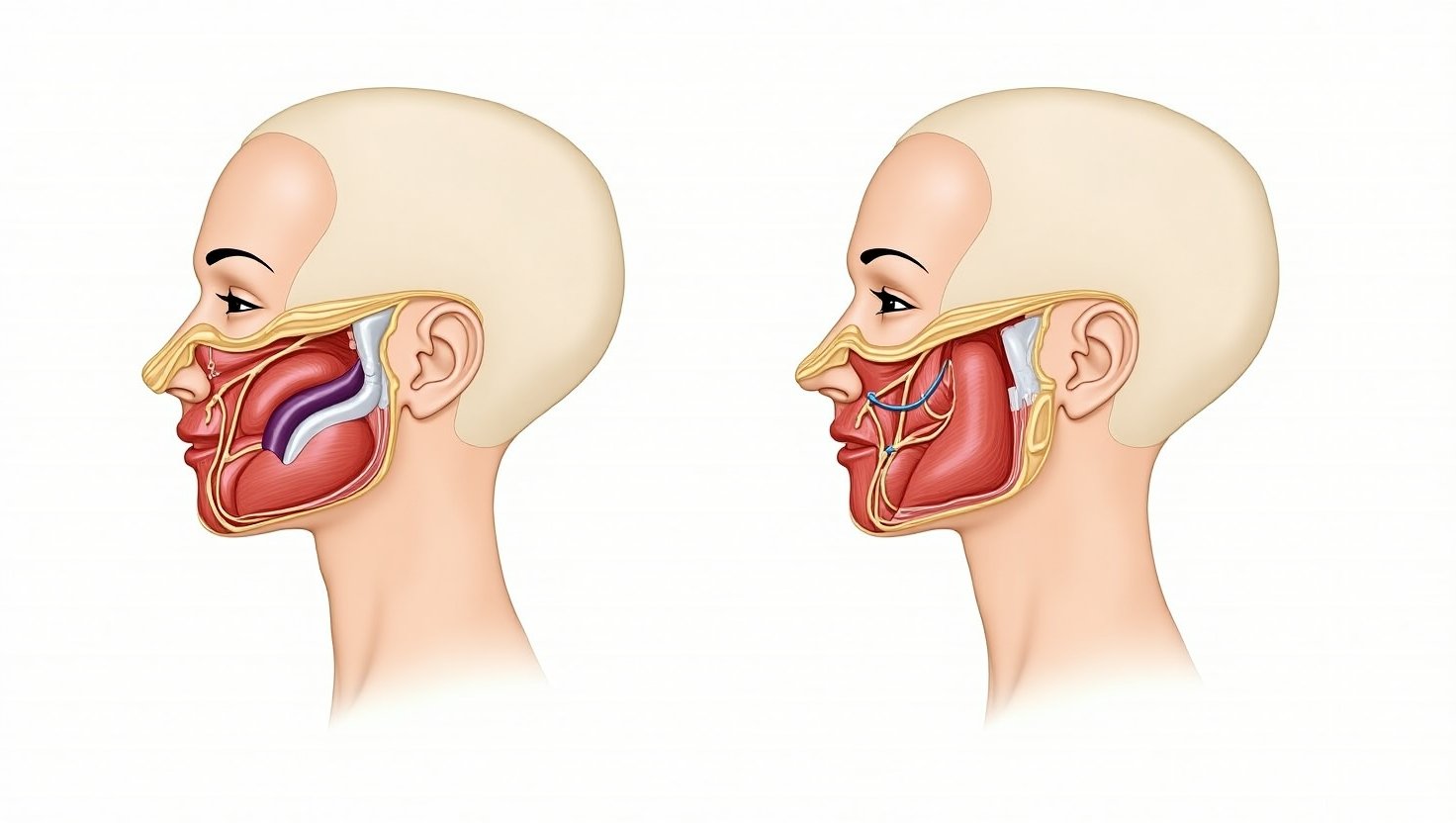
This technique involves manipulating the SMAS layer, a fibrous network under the skin that envelops facial muscles. Surgeons may perform plication (folding) or imbrication (overlapping) of the SMAS to lift and tighten facial structures, primarily targeting the lower face and neck. This improves jawline definition and reduces the appearance of jowls. -
Deep Plane Facelift:
The deep plane facelift extends beyond the SMAS layer, allowing for the release and repositioning of deeper facial tissues, including muscles and fat pads. This comprehensive approach addresses midface sagging, nasolabial folds, and jowls. By focusing on deeper structures, this technique aims to provide a more natural and long-lasting rejuvenation.
Benefits and Expected Outcomes:
-
Natural Appearance:
The deep plane facelift is designed to reposition tissues without giving a “pulled” look, retaining natural facial expressions and movements.
(Source) -
Longevity of Results:
This technique often yields longer-lasting results compared to more superficial methods by addressing fundamental facial layers.
(Source) -
High Patient Satisfaction:
Studies report high satisfaction rates among deep plane facelift patients; one systematic review indicated a satisfaction rate of 94.4%, compared to 87.8% for SMAS facelifts.
(Source)
Clinical Evidence:
A systematic review and meta-analysis comparing these facelift techniques concluded that both provide robust outcomes with high satisfaction. The deep plane method had a higher satisfaction rate but also a greater overall complication rate (17.2%) compared to the SMAS technique (10.3%).
(Source)
Moreover, focusing on Asian patients revealed a 98% satisfaction rate with the deep plane facelift, highlighting the technique’s effectiveness across diverse ethnicities.
(Source)
An endoscopic approach has also been developed to minimize visible scarring and downtime while emphasizing vertical lifting and deep tissue remodeling, yielding consistent outcomes with low complications and revision rates.
(Source)
Considerations:
While the deep plane facelift has multiple advantages, it is more complex and requires specialized surgical expertise. Potential risks include nerve injury, hematoma, and infection, although these are infrequent when performed by skilled surgeons. Thorough consultations are essential to tailor the most suitable approach based on individual anatomical features and aesthetic aspirations.
In summary, facelift procedures, particularly the deep plane technique, have evolved to offer natural and durable facial rejuvenation. Clinical literature supports their efficacy and safety, underscoring the significance of personalized surgical planning and execution.
Patient Suitability & Safety in Facelift Procedures
In the context of facelift procedures, patient suitability and safety are paramount to achieving satisfactory results and minimizing risks. Suitable candidates typically include individuals in good general health, without underlying medical conditions that could impair recovery, such as uncontrolled diabetes or cardiovascular diseases. Furthermore, non-smokers are often preferred, as smoking significantly hinders the healing process and increases the risk of complications. Candidates should ideally be at a stable weight, with a realistic understanding of what a facelift can achieve. Mental readiness is crucial since patients should have achievable aesthetic goals and understand that while facelifts can greatly improve appearance, they cannot halt the aging process.
Safety considerations surrounding facelift procedures involve several key factors. First, a comprehensive preoperative assessment is critical. This includes a thorough review of the patient’s medical history, current medications, and lifestyle habits. Specific recommendations may include:
- Smoking Cessation: Patients should quit smoking at least six weeks before and after the surgery to enhance healing and reduce risk of complications [FacePlus Aesthetics].
- Medication Management: Avoiding blood-thinning medications and certain supplements is vital to prevent increased bleeding during and after the surgery.
- Healthy Lifestyle: Maintaining hydration and proper nutrition can optimize recovery and overall surgical outcomes.
During the procedure, ensuring a sterile environment and the presence of an experienced, board-certified surgeon can greatly enhance safety. Informed consent must include discussions about potential risks, which may include anesthesia reactions, hematoma formation, and, though rare, issues such as nerve damage. Post-operative care is integral to a safe recovery process. Patients should be instructed to follow up with their surgeon, report any unusual symptoms, and understand their role in adhering to postoperative instructions [The Aesthetic Society]. By focusing on these aspects, both patients and surgeons can work together to ensure a safe, successful facelift experience.
In summary, proper patient selection and adherence to safety protocols are pivotal in facelift procedures. By prioritizing thorough preoperative evaluations, encouraging healthy lifestyle adjustments, and ensuring vigilant postoperative care, patients can significantly enhance their chances for safe outcomes and satisfaction with their aesthetic results.
| Procedure | Key Benefits | Primary Differences |
|---|---|---|
| Facelift | Rejuvenates the face, reduces wrinkles, tightens skin | Targets middle and lower face, provides a youthful appearance |
| Necklift | Tightens the neck skin, improves neck contour | Focuses on the neck area without affecting the face |
| Eyelid Surgery | Removes under-eye bags, enhances eye appearance | Specific only to eyelids, cannot address other facial areas |
| Eyebrow Lift | Lifts droopy eyebrows, opens up the eye area | Focuses on the upper face while a facelift addresses multiple areas |
Aesthetic Procedures in 2025 at Dr. Görkem Atsal’s Clinic
As we explore the increasing demand for aesthetic procedures in 2025, it’s essential to highlight the services offered by Dr. Görkem Atsal’s clinic that cater to patients seeking facial rejuvenation.
Facelift Surgery
Dr. Atsal specializes in deep plane facelifts, an advanced technique that repositions underlying muscles and fat layers for natural, long-lasting results. This procedure effectively addresses moderate to severe facial sagging and aging. Learn more about facelift surgery here.
Neck Lift Surgery
To rejuvenate the neck area, Dr. Atsal offers deep plane neck lifts. This procedure tightens both the skin and underlying muscle bands, restoring a smooth, youthful neck contour that complements the overall facial rejuvenation. Discover our neck lift services.
Eyelid Surgery (Blepharoplasty)
Dr. Atsal performs blepharoplasty to eliminate excess skin and reduce puffiness around the eyes. This surgical approach results in a refreshed and more youthful appearance, opening up the eyes and restoring vitality to the overall facial expression. Explore eyelid surgery options here.
Eyebrow Lift (Temporal Lift)
For patients seeking to lift drooping brows and smooth forehead wrinkles, Dr. Atsal offers the temporal lift, also known as the “fox eye” or “cat eye” procedure. This cosmetic surgery lifts and reshapes the outer corners of the eyes and eyebrows, creating a more elongated and lifted look. Learn about our eyebrow lift procedure.
Dr. Atsal’s clinic is committed to providing personalized care, utilizing state-of-the-art techniques to achieve natural-looking and enduring results. Patients can expect comprehensive support throughout their aesthetic journey, from initial consultation to post-operative care.
Supporting Research and Citations
To substantiate the trends in aesthetic procedures noted in this article, several reputable studies and reports can be cited:
- Increase in Aesthetic Procedures: A recent analysis by the International Society of Aesthetic Plastic Surgery (ISAPS) documented a global rise of 3.4% in aesthetic procedures, reflecting a significant growth trend over the past decade. This aligns with observations that aesthetic treatments have become more mainstream, as noted in the article. The detailed report can be accessed here.
- Early Intervention Facelifts: The American Society of Plastic Surgeons (ASPS) highlighted a growing tendency among individuals in their 40s and 50s to undergo facelifts, supporting personal wellness and aesthetic balance—as indicated in the article’s references to a shift towards natural results. More information can be found here.
- Ozempic Face and Volume Restoration: Interest in facial volume restoration procedures has surged due to the use of GLP-1 medications for weight loss, which can lead to facial volume loss—termed “Ozempic face.” This connection reinforces the article’s mention of emerging trends shaping aesthetic preferences. The corresponding study is available here.
- Technological Advancements: The incorporation of technologies, such as AI for facial analysis and advanced imaging tools, demonstrates the evolving nature of aesthetic processes, enhancing surgical precision and patient satisfaction. Additional insights into these advancements can be reviewed here.
- Combination Procedures: With the trend for combined surgeries such as tummy tucks with other aesthetic procedures gaining traction, it highlights patients’ desires for comprehensive results in a singular recovery period, further emphasizing the evolving landscape of aesthetic surgeries. More can be found here.
These citations provide an evidence base for the article’s claims, ensuring readers understand the authority backing the discussed aesthetic trends for 2025.
Conclusion
As we navigate the evolving landscape of aesthetic procedures in 2025, it’s important to consider the expertise of professionals in the field. Dr. Görkem Atsal, a board-certified facial plastic surgeon based in Istanbul, Turkey, stands out as a trusted provider in medical tourism for aesthetic enhancements.
Istanbul has emerged as a prime destination for individuals seeking high-quality surgical care at competitive prices, drawing patients from around the globe. Dr. Atsal blends advanced techniques with personalized care to ensure natural and lasting results for his clients.
If you’re considering a facelift or any other cosmetic procedure, Dr. Atsal invites you to arrange a consultation—either online or in-person. Take the next step towards achieving your aesthetic aspirations and discover how Dr. Atsal’s expertise can enhance your beauty journey.
Schedule your consultation today!
Emotional Transformations: Patient Success Stories
Facelift surgeries often lead to significant emotional transformations for patients, enhancing self-esteem and overall quality of life. Here are some patient testimonials highlighting these impacts:
- Margaret’s Story: Margaret, a 62-year-old university professor, underwent a facelift after students frequently commented on her “tired” appearance. Six months post-surgery, she reported a transformative change, enjoying increased student engagement and receiving the highest teaching evaluations of her career. The confidence gained from the procedure positively influenced her teaching. (Source)
- Brenda’s Journey: Brenda, 51, shared her experience about achieving a natural look post-surgery. She expressed happiness with the outcome and gained confidence, contributing positively to her social life. (Source)
- Patient Testimonial from Dr. Lara Devgan’s Practice: One patient expressed gratitude for her facelift and fat transfer, praising the swift recovery and lasting positive impact on her well-being. (Source)
- Belcara Health Patient: A patient shared her appreciation for the comprehensive care she received, emphasizing that the surgery was the best decision she ever made for herself. (Source)
- Gartner Plastic Surgery Patient: A patient felt 15 years younger post-facelift, expressing joy in experiencing life events with a rejuvenated appearance. (Source)
These testimonials underscore the profound emotional and psychological benefits that facelift surgeries can offer, often leading to enhanced self-confidence, improved social interactions, and a renewed sense of self.
Additionally, research has supported the emotional benefits of facelift procedures:
- A literature review revealed that facelift patients typically report increases in self-esteem, with overall satisfaction ratings exceeding 95%. Many patients experience initial postoperative anxiety, but these feelings usually subside with time. (Source)
- Another case study showed that while some patients may face temporary mood challenges post-surgery, the long-term outcomes often lead to improved well-being and life satisfaction. (Source)
Experience and expertise like that of Dr. Atsal can significantly impact your journey towards rejuvenation and self-discovery through aesthetic enhancements.
Exploring Aesthetic Procedures in 2025
Before diving into facelift procedures, it’s essential to understand the broader context of aesthetic treatments that have become prevalent in 2025. This includes examining the patient’s evolving preferences and the growing importance of natural results in their aesthetic journey.
Understanding Facelift Techniques
The advanced techniques utilized in facelift procedures cater to clients’ desires for rejuvenation while maintaining authenticity in facial features. This section breaks down the most common methods, their applications, and the benefits of each.
Importance of Patient Suitability & Safety
Ensuring the safety and satisfaction of patients undergoing facelift procedures is a critical component of aesthetic medicine. Here, we will outline the qualifications for suitable candidates and the necessary safety measures that practitioners must follow.
Comparing Aesthetic Procedures
This section will delve into the differences among various popular surgical procedures that are commonly considered alongside facelifts, helping patients to make informed choices when contemplating aesthetic enhancements.
Conclusion and Next Steps
Finally, we will wrap up the article with a reiteration of the importance of seeking professional guidance and personalized care for anyone considering aesthetic procedures in 2025. Readers will be encouraged to explore their options with trusted providers, underscoring the significance of informed decision-making in their beauty journeys.
