
Rhinoplasty, commonly referred to as a nose job or nose surgery, is one of the most sought-after procedures in the field of aesthetic surgery. For many individuals, the decision to undergo rhinoplasty stems from a desire not only to enhance their physical appearance but also to boost their self-esteem and improve their quality of life. The nose, being a central feature of our face, plays a significant role in shaping our overall aesthetic and can significantly influence how we feel about ourselves. When the proportions or structure of the nose are altered to create better facial harmony, it can have profound effects on an individual’s confidence and self-image.
Aside from cosmetic motivations, many patients also seek rhinoplasty to address structural issues such as a deviated septum, which can lead to breathing difficulties. Improved functionality can dramatically enhance daily living, providing relief from headaches and other physical discomforts. The blend of aesthetic and functional benefits highlights the dual nature of rhinoplasty; it is not only about creating a more attractive appearance but also about fostering a sense of normalcy and well-being for those who have struggled with nasal issues.
Rhinoplasty offers a unique opportunity to reshape and redefine one of life’s most defining features through nose surgery, allowing individuals to embrace a version of themselves that aligns better with their self-image and personal goals. As patients embark on this transformative journey, they often experience a renewed sense of hope, knowing that the path to improved self-perception and physical capability is not just a dream but a reality that many have successfully achieved. Whether to enhance facial symmetry, restore balance, or remedy functional problems, rhinoplasty presents a myriad of benefits that extend beyond physical changes to touch the very core of one’s self-worth and confidence.
Common Questions about Rhinoplasty
Rhinoplasty, or a nose job, is often accompanied by many questions from individuals considering the procedure. Understanding the process, recovery, costs, and types of rhinoplasty can help ease concerns and set the right expectations.
What Is Rhinoplasty?
Rhinoplasty is a surgical procedure designed to reshape the nose. It can address a variety of concerns, including size, shape, and structural issues such as a deviated septum. Dr. Gary Wiesman, a renowned facial plastic surgeon, notes, “Your overall health, your goals for treatment, and other factors will have a bearing on whether or not rhinoplasty is right for you.” This highlights the personalized nature of rhinoplasty—each surgery is tailored to the individual’s unique anatomy and desired outcome.
What Are the Different Types of Rhinoplasty?
Various techniques are employed in rhinoplasty, depending on the patient’s needs:
- Cosmetic Rhinoplasty: This type focuses solely on the aesthetic aspects of the nose, improving its shape and size to enhance facial proportions.
- Functional Rhinoplasty: This is performed to correct structural problems, such as a deviated septum, that obstruct breathing.
- Revision Rhinoplasty: This procedure is done to correct or improve results from a previous rhinoplasty, addressing complications or unsatisfactory outcomes.
Each type offers its own benefits and is performed with specific goals in mind.
What Is the Recovery Process Like?
Recovery after rhinoplasty can take time, with most visible swelling subsiding within a few weeks, but full recovery can take up to a year. Patients are generally advised to avoid strenuous activities for a few weeks and follow all post-operative instructions provided by their surgeon. Dr. Wiesman advises, “It is important to be patient; it can take up to a year for your final results to appear.” Being mindful of recovery is crucial to achieving the best possible outcomes.
How Much Does Rhinoplasty Cost?
The cost of rhinoplasty varies widely depending on factors such as the surgeon’s expertise, geographical location, and the complexity of the procedure. Most patients pay at least several thousand dollars for rhinoplasty. It is essential for individuals to discuss their financial situation with their surgeon and inquire about payment options or financing plans that may be available.
Are There Any Risks Involved?
Like any surgical procedure, rhinoplasty carries certain risks, such as infection, scarring, and undesired results. Choosing an experienced surgeon significantly reduces these risks. Patients should have open dialogues with their surgeons about potential complications and ensure they understand both the benefits and risks associated with surgery.
Conclusion
Considering rhinoplasty is a significant decision, and having clear answers to common questions can help pave the way for a successful experience. Whether motivated by aesthetics or functional needs, prospective patients can approach the procedure with informed expectations. Connect with a qualified facial plastic surgeon to discuss your options, ensuring you choose the right path for your specific needs. Understanding the procedure, recovery, and costs will empower you as you embark on your rhinoplasty journey, leading to transformative results that enhance both appearance and confidence.
Recovery Expectations After Rhinoplasty
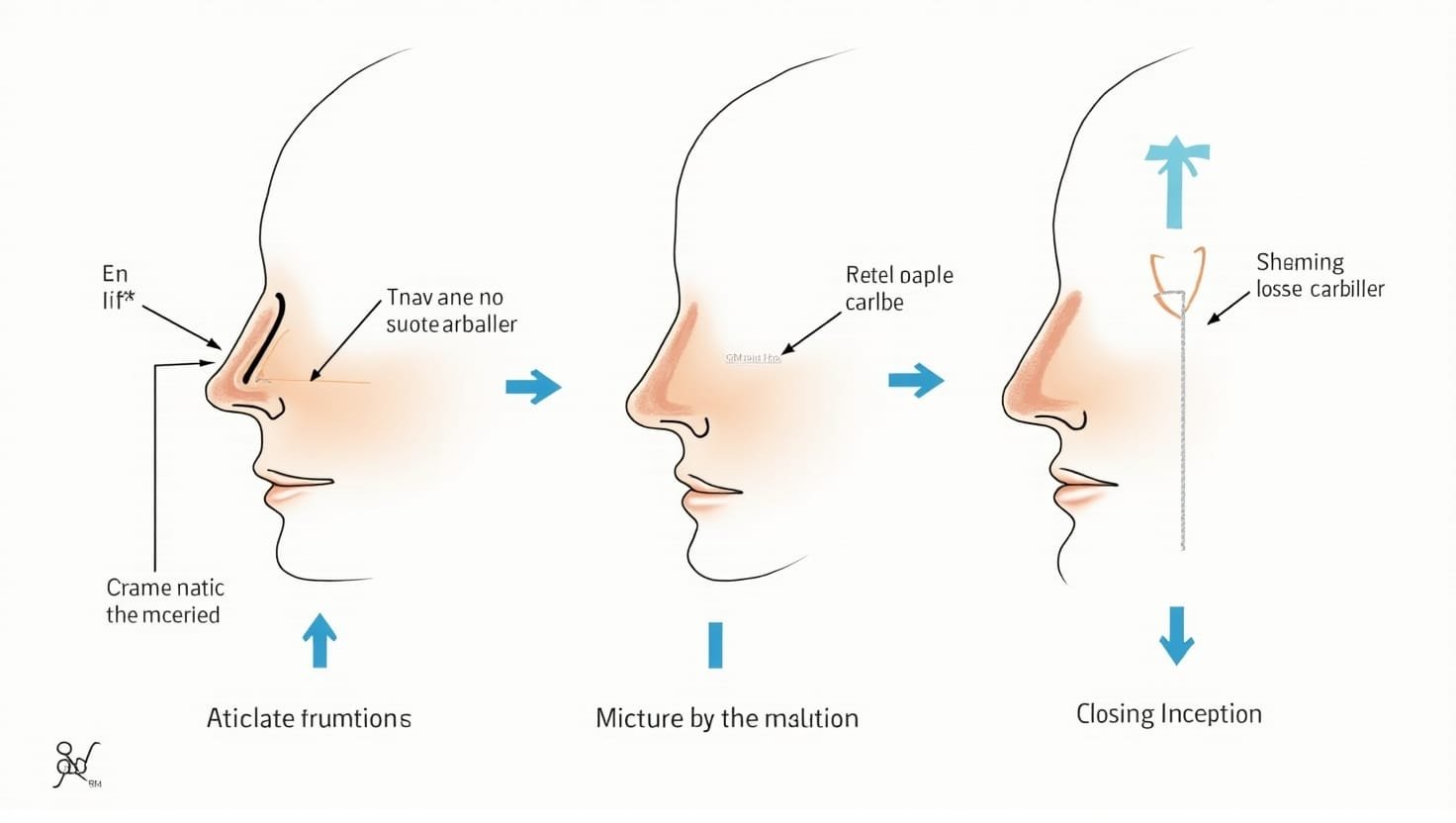
Recovering from rhinoplasty is an important part of the surgical journey. It greatly affects the outcome and overall experience for the patient. Understanding the recovery timeline, at-home care tips, and managing expectations about swelling and how results reveal themselves will help set you up for a successful recovery.
Recovery Timeline
The initial recovery period after rhinoplasty usually lasts about 10 to 14 days. During this time, most visible symptoms like swelling and bruising are present. Here’s what to expect:
- Days 1-3: Patients may have a lot of swelling, bruising, and discomfort. It is crucial to rest and keep the head elevated to reduce swelling. Ice packs can provide relief near the eyes and nose.
- Days 4-7: Swelling starts to go down, and many patients return for a follow-up appointment. The nasal splint is typically removed during this time. Patients may feel better but should still avoid activities that may strain the nose.
- Weeks 2-4: Swelling continues to decrease, and many patients feel closer to normal. It is still important to take care when engaging in activities to protect the healing nose.
- 3-6 Months: Most swelling goes away, showing the new contours of the nose. Patients should continue to handle their noses with care, avoiding sports and heavy glasses.
- Up to 1 Year: The final results of rhinoplasty may take up to a year to show completely, including any small residual swelling that may still appear.
At-Home Care Tips
Taking care of yourself at home is crucial for the best results. Here are some tips:
- Rest: Allow your body to heal by getting plenty of rest and reducing physical activity during the first few weeks.
- Stay Hydrated: Drink plenty of fluids to help with recovery. Staying hydrated helps prevent complications and supports healing.
- Follow Medication Guidelines: Take any prescribed medications as instructed and avoid pain relievers like ibuprofen, which may increase bleeding.
- Practice Gentle Care: Be careful when cleaning your face and avoid vigorous motions that may hinder healing around the nose.
- Avoid Sunlight: Protect the healing nose from direct sunlight to reduce the risk of discoloration in healing scars.
- Follow-Up Visits: Keep all scheduled follow-up appointments with your surgeon to closely monitor your recovery.
Managing Expectations
It is important to know that the nose’s appearance will change slowly, which can affect emotional well-being. Here are some ways to manage expectations:
- Swelling Management: Expect significant swelling after surgery, which can take weeks to months to fully resolve. Patience is key during this period.
- Gradual Reveal of Results: Understand that the final results will take time to show. Some changes will be visible within weeks, but complete results may not be evident until about a year after surgery.
- Emotional Support: Feelings of anxiety or disappointment can be normal during recovery. It may help to talk about these feelings with trusted friends or support groups who understand the process.
By prioritizing your recovery and following your surgeon’s instructions, you can have a positive experience as you transition into the improved version of yourself that rhinoplasty aims to create. Keep in mind, this healing period is important for your transformation, so approach it with patience and care.
Conclusion
Rhinoplasty is not merely a surgical procedure to enhance the physical appearance of the nose; it is a profound journey towards self-discovery and confidence. As individuals contemplate reshaping this central feature of their face, they often embark on a transformative experience that extends far beyond aesthetics. The procedure provides an incredible opportunity to address both cosmetic desires and functional issues, such as breathing difficulties due to a deviated septum.
Throughout the process, from initial consultations to the moment of unveiling their new profile, patients often discover an inner strength and self-acceptance that profoundly impacts their lives. As they heal, the emotional benefits start to blossom, replacing insecurities with a sense of pride and self-worth.
However, it is essential for anyone considering rhinoplasty to engage openly with their surgeon, ensuring a clear understanding of the techniques involved and potential outcomes. Establishing realistic expectations and forming a comprehensive plan can lead to a rewarding experience, allowing individuals to step confidently into their new self-image. Rhinoplasty represents a commitment to enhancing not only one’s appearance but also the quality of life, encouraging individuals to embrace their uniqueness and newfound joy in their appearance.
| Type of Rhinoplasty | Average Cost Range | Factors Influencing Cost |
|---|---|---|
| Cosmetic Rhinoplasty | $5,000 – $15,000 | Geographic location, surgeon’s expertise, complexity of the case |
| Functional Rhinoplasty | $3,000 – $10,000 | Similar to cosmetic, plus any necessary additional medical evaluations or treatments needed |
| Revision Rhinoplasty | $7,000 – $20,000 | Prior surgery complexity, need for additional procedures, surgeon’s expertise |
| Non-Surgical Rhinoplasty | $600 – $1,500 | Type of filler used, geographic location, provider’s expertise |
| Additional Medical Costs | Variable | Anesthesia, facility fees, preoperative tests, and postoperative care can significantly influence overall costs |
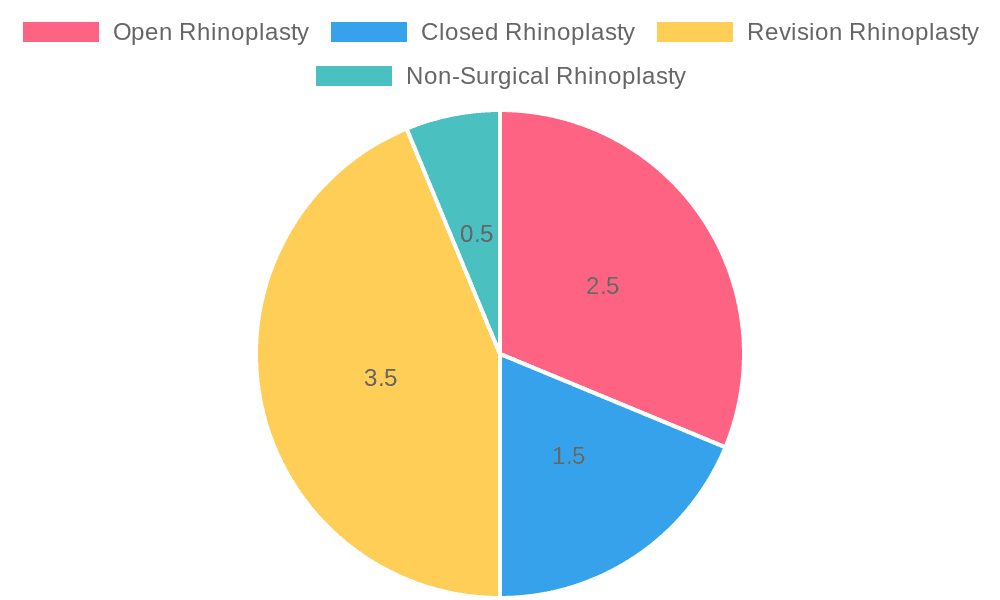
What Are the Different Types of Rhinoplasty?
Various techniques are employed in rhinoplasty, depending on the patient’s needs:
- Cosmetic Rhinoplasty: This type focuses solely on the aesthetic aspects of the nose, improving its shape and size to enhance facial proportions. For a detailed exploration of cosmetic techniques, you can refer to this guide from the American Academy of Facial Plastic and Reconstructive Surgery.
- Functional Rhinoplasty: This is performed to correct structural problems, such as a deviated septum, that obstruct breathing. To understand the methodologies involved in functional rhinoplasty, check out this resource from the JAMA Network that discusses its impact on quality of life: JAMA – Functional Rhinoplasty.
- Revision Rhinoplasty: This procedure is done to correct or improve results from a previous rhinoplasty, addressing complications or unsatisfactory outcomes. Insights into factors influencing revision rates can be reviewed in this PubMed article on revision rhinoplasty.
- Non-Surgical Rhinoplasty: Using fillers, this technique can make temporary adjustments to the nose, smoothing out irregularities without invasive surgery. An overview is presented in this article on non-surgical rhinoplasty from Wikipedia: Non-Surgical Rhinoplasty.
Each type offers its own benefits and is performed with specific goals in mind. Additionally, combining functional and cosmetic goals is often necessary for optimal outcomes. For deeper insights, you can find a systematic review concerning this methodology here.
