

Rhinoplasty, commonly known as a nose job, is an important surgical procedure that combines beauty and function. Many people choose rhinoplasty to improve the look of their nose, making it more pleasing and fitting with the rest of their face. Additionally, it addresses medical concerns by improving breathing issues stemming from structural problems, like a deviated septum. This surgery can enhance both appearance and respiratory health.
The impact of rhinoplasty extends beyond mere aesthetics. It can improve one’s self-esteem and alleviate discomfort. Each year, many individuals undergo this procedure seeking change and a more balanced nose shape. However, understanding what rhinoplasty involves, including its potential results, risks, and the requirements for being a good candidate, is essential for anyone considering the surgery.
This article aims to answer ten key questions about rhinoplasty. By providing clear and informative answers, we hope to help readers understand both the cosmetic and functional sides of the surgery, allowing them to set realistic expectations for their experience.
Medical Explanation of Rhinoplasty
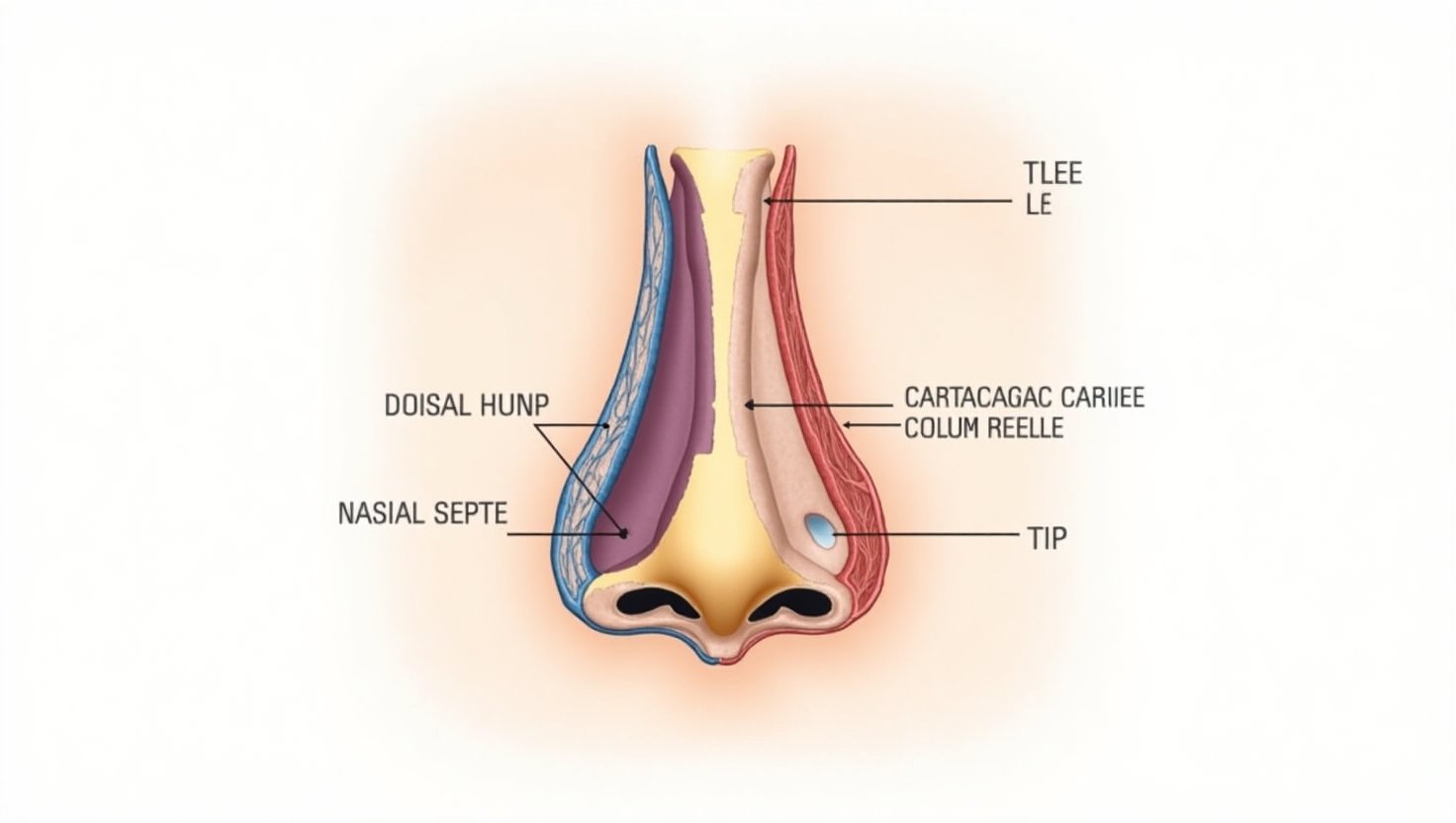
Rhinoplasty, often referred to as a “nose job,” serves dual purposes: cosmetic enhancement and functional improvement. This surgical procedure is designed to alter the shape, size, and overall appearance of the nose in a manner that enhances facial harmony or rectifies nasal dysfunction, such as issues with breathing caused by a deviated septum.
Purpose of Rhinoplasty
- Cosmetic Enhancement: Many individuals seek rhinoplasty to achieve a nose shape that is more proportionate to their facial features. Potential changes may include altering the nose’s size, refining the nasal tip, or correcting asymmetries. A study indicates that approximately 45% of patients undergo rhinoplasty primarily for aesthetic reasons (PubMed).
- Functional Improvement: Functional rhinoplasty specifically aims to correct structural issues, such as a deviated septum, that interfere with breathing. This can involve removing nasal obstructions that hinder airflow. Research shows that around 59% of patients report improvements in nasal function post-surgery (PubMed).
- Reconstructive Needs: In certain cases, rhinoplasty is essential for reconstructing the nose following trauma, surgery for cancer, or congenital deformities.
Types of Rhinoplasty
- Reduction Rhinoplasty: Reduces the nose’s size by removing bone or cartilage.
- Augmentation Rhinoplasty: Enhances the nose’s shape, typically using grafts from the septum or other areas for added volume or contour.
- Revision Rhinoplasty: Focused on rectifying complications or dissatisfaction from prior surgeries.
- Functional Rhinoplasty: Specifically targets breathing issues by correcting anatomical structures, such as the deviated septum, thereby improving airflow.
- Non-surgical Rhinoplasty: Involves injectables to reshape the nose without surgery, appropriate for minor adjustments.
Surgical Techniques
- Open Rhinoplasty: This method includes making external incisions, generally at the columella, providing greater visibility and access to nasal structures. It may yield more significant changes, particularly for complex cases, resulting in a higher satisfaction rate in aesthetic results (PubMed).
- Closed Rhinoplasty: All incisions are made internally, minimizing visible scars and typically leading to quicker recovery with less postoperative swelling. A systematic review indicates both techniques yield similar functional and aesthetic outcomes (PMC).
Expected Outcomes
Patients can anticipate gratifying results from rhinoplasty, such as:
- Enhanced Nasal Appearance: Most individuals report a nose that better complements their facial symmetry after surgery.
- Improved Breathing Function: Many patients experience better airflow, alleviating breathing difficulties caused by a deviated septum.
- Boosted Self-Confidence: Achieving the desired aesthetic can significantly enhance an individual’s confidence.
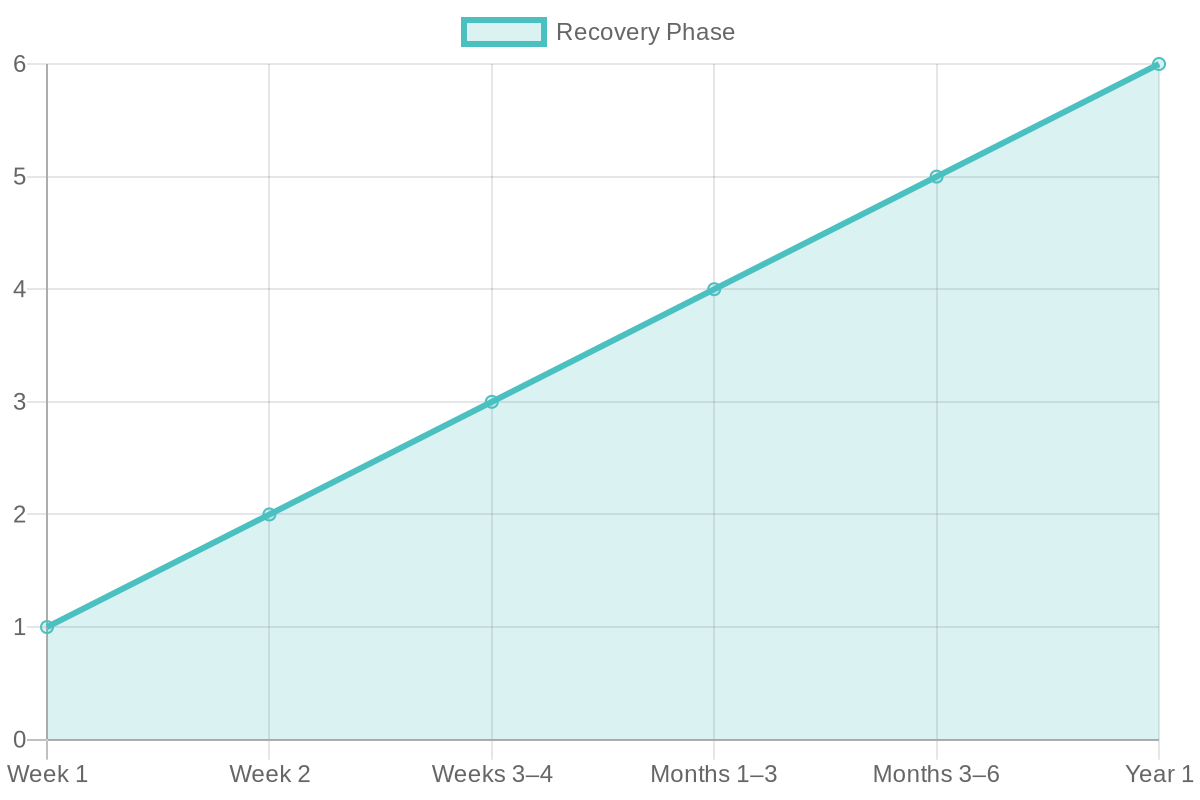
However, it is crucial to recognize that rhinoplasty carries risks, which may include complications like bleeding, infection, or unsatisfactory cosmetic results. The final outcomes can take up to a year to fully manifest as residual swelling subsides (Mayo Clinic).
In conclusion, consulting with a qualified and experienced facial plastic surgeon is essential for achieving a thorough understanding of individual goals, the associated risks, and realistic expectations regarding surgical outcomes. Research indicates that approximately 10% of rhinoplasty patients might require revisions due to complications or desired alterations following surgery (Ottawa Rhinoplasty). Therefore, careful selection of a surgeon is imperative, and choosing board-certified professionals specializing in functional rhinoplasty is highly recommended (American Academy of Otolaryngology).
Patient Suitability & Safety for Rhinoplasty
Rhinoplasty is a significant surgical procedure that requires careful consideration of patient suitability and safety. Various factors play a crucial role in determining if a patient is a good candidate for rhinoplasty.
Age Considerations
The age of the patient is an essential factor in rhinoplasty decisions. Generally, it is recommended that:
- Girls should be at least 16 years old and boys at least 18 years old. This guideline ensures that the patient has reached physical and psychological maturity, allowing for more stable results and realistic expectations.
Health Conditions
Prior health evaluations are crucial to establishing candidacy for rhinoplasty. Certain health conditions can pose complications, and they include:
- Respiratory Issues: Conditions affecting breathing can complicate the healing process post-surgery.
- Bleeding Disorders: Patients with conditions that impact clotting may face heightened risks of excessive bleeding during and after the procedure.
- History of Nasal Surgeries: Previous surgeries may alter the nasal anatomy, complicating further surgical interventions.
Psychological Readiness
Psychological readiness is paramount when considering rhinoplasty. Patients should have:
- Realistic Expectations: Understanding the limitations of the procedure and the potential outcomes is essential for emotional readiness.
- Stable Mental Health: Candidates should demonstrate stability in their mental health to minimize the risk of dissatisfaction with results.
Potential Risks
As with any surgical procedure, rhinoplasty carries risks, which may include:
- Infection: Post-surgical infections can occur and require treatment.
- Bleeding: Excessive bleeding during or after the operation can complicate recovery.
- Dissatisfaction with Results: Some patients may not achieve their desired aesthetic outcome, highlighting the importance of clear communication with the surgeon.
Importance of Pre-Operative Consultation
A thorough pre-operative consultation with a qualified surgeon is vital. This consultation should cover:
- Health Assessments: Evaluating medical history to identify potential risks.
- Discussion of Goals: Understanding the patient’s objectives and expectations allows the surgeon to provide personalized advice and outline realistic outcomes.
- Surgical Plan: Detailed discussions regarding the surgical approach, recovery process, and any necessary follow-up care help ensure that patients are well-informed and prepared.
In conclusion, understanding patient suitability and safety in rhinoplasty is crucial for achieving optimal results. By considering factors such as age, health conditions, psychological readiness, potential risks, and the importance of thorough pre-operative consultations, patients can make informed decisions about their rhinoplasty journey. Consulting with a qualified surgeon can further enhance understanding and confidence in undergoing this transformative procedure.
| Type of Rhinoplasty | Description | Key Considerations |
|---|---|---|
| Open Rhinoplasty | Involves external incisions on the nose. | Provides more visibility; may lead to more noticeable scars. |
| Closed Rhinoplasty | All incisions are made inside the nostrils. | Less visible scarring; typically involves a quicker recovery. |
| Cosmetic Rhinoplasty | Aims to enhance the appearance of the nose. | Focuses on aesthetic goals; suitable for those seeking cosmetic improvement. |
| Functional Rhinoplasty | Addresses breathing issues and structural problems. | Often necessary for medical reasons; can improve airflow and alleviate problems like deviated septum. |
| Revision Rhinoplasty | Surgery to correct or improve results from prior rhinoplasty. | May involve complex techniques; important to manage expectations regarding outcomes. |
| Non-surgical Rhinoplasty | Uses injectables to alter shape without invasive surgery. | Ideal for minor adjustments; results are temporary and may require repeat treatments. |
Related Procedures
To further enhance your understanding of available surgical options, consider exploring these additional services offered by Dr. Gorkem Atsal’s clinic:
- Rhinoplasty: A procedure designed to enhance the shape and function of the nose.
- Facelift: This surgery targets sagging skin, restoring a youthful appearance to the face.
- Eyelid Surgery: Designed to improve the appearance of the eyelids for both cosmetic and functional reasons.
These procedures can complement your rhinoplasty and help achieve your overall aesthetic goals. If you are considering these options, consult with Dr. Atsal to determine the best approach for you.
Rhinoplasty: Recovery, Risks, and Functional Improvements
- The Effect of Functional Rhinoplasty on Quality of Life: A Systematic Review and Meta-Analysis (2023, PubMed): This systematic review evaluated the impact of functional rhinoplasty on patients’ quality of life, revealing significant improvements in nasal function and overall well-being post-surgery.
- Functional and Radiological Assessment After Preservation Rhinoplasty – A Clinical Study (2020, PubMed): This study assessed the functional outcomes of preservation rhinoplasty, showing improved nasal function and high patient satisfaction.
- Generic Health-Related Quality-of-Life Changes after Rhinoplasty: A Prospective Study with Long-Term Results (2022, PubMed): Investigating changes in health-related quality of life following rhinoplasty, this study demonstrated significant improvements in physical functioning and well-being among patients.
- Analysis of Outcomes After Functional Rhinoplasty Using a Disease-Specific Quality-of-Life Instrument (2006, PubMed): This observational study evaluated the efficacy of functional rhinoplasty in patients with nasal obstruction, indicating substantial postoperative improvements in nasal airway function.
- Reducing Surgical Risks in the Rhinoplasty Patient (2023, PubMed): This review article discusses strategies for minimizing complications in rhinoplasty procedures, emphasizing surgical techniques that enhance outcomes while reducing risks.
Moreover, here are further studies and statistics regarding rhinoplasty recovery time, success rates, and patient satisfaction:
- Patient Recovery and Satisfaction with Perioperative Care After Rhinoplasty (2023, PubMed): This article assesses patient recovery and satisfaction levels, offering insights into the overall patient experience.
- Assessment of Aesthetic Results of 100 Patients Who Underwent Rhinoplasty-Rhinoplasty Outcome Evaluation (2022, PubMed): This study evaluates aesthetic results and patient satisfaction following rhinoplasty in a sample of 100 patients.
- External rhinoplasty: a critical analysis of 500 cases (2005, PubMed): This critical analysis provides insights into the outcomes from external rhinoplasty cases, discussing success rates and revisions.
- Cosmetic rhinoplasty: revision rates revisited (2012, PubMed): A discussion regarding rates of revision surgeries associated with cosmetic rhinoplasty, which highlights patient expectations and outcomes.
- Evaluation of Preoperative and Postoperative Patient Satisfaction and Quality of Life in Patients Undergoing Rhinoplasty: A Systematic Review and Meta-Analysis (2018, PubMed): This systematic review examines patient satisfaction and quality of life changes associated with rhinoplasty, further supporting its effectiveness.
Consult with Dr. Gorkem Atsal
If you’re considering rhinoplasty and looking for expert guidance, look no further than Dr. Gorkem Atsal, a board-certified facial plastic surgeon renowned for his expertise in delivering exceptional aesthetic results. Dr. Atsal’s clinic is located in Istanbul, Turkey, a highly trusted destination for medical tourism, known for its advanced healthcare facilities and skilled professionals.
Patients from around the globe travel to Istanbul for top-notch surgical procedures, combining quality care with a culturally enriching experience. Embarking on your rhinoplasty journey with Dr. Atsal ensures you are in capable hands, and his personalized approach addresses your unique goals and expectations.
Why Choose Dr. Gorkem Atsal?
- Patient-Centered Care: Dr. Atsal is committed to understanding each patient’s individual needs and desires.
- Proven Success: Join numerous satisfied patients who have transformed their lives through rhinoplasty. Here are some testimonials:
- Christine, after a revision surgery, said, “I feel a significant boost in confidence and comfort with my appearance.” (Read more here)
- A happy patient stated, “I’m always taking pictures on Facebook and putting them on Instagram. Everything went wonderful!” (Read more here)
- Maria Cristina said, “I can finally breathe normally again. This surgery truly transformed my life.” (Read more here)
- Aneta W. shared, “Not only did my sleep quality improve, but my nose looks beautiful!” (Read more here)
- J.S. expressed her gratitude saying, “What a GREAT job you did!! I will never be able to thank you enough!” (Read more here)
Whether you prefer an online consultation or an in-person visit, Dr. Atsal’s team is dedicated to making your experience seamless and informative. Schedule your consultation today, and take the first step toward achieving the aesthetic results you desire.
Embrace the opportunity for transformation with the expertise of Dr. Gorkem Atsal and the premier medical care available in Istanbul.
- Introduction to Rhinoplasty: Understanding the Basics of Nose Surgery
- Comprehensive Overview of Rhinoplasty: Medical Explanation and Its Benefits
- Assessing Rhinoplasty Candidacy: Patient Suitability and Safety Considerations
- Types of Rhinoplasty: Exploring Various Approaches and Techniques
- Rhinoplasty Recovery Process: Timeline and What to Expect
- Comparative Analysis of Rhinoplasty Types: Choosing the Right Procedure for You
- Consulting a Specialist: Importance of Pre-Operative Discussions
- Resources for Patients: External References for Rhinoplasty Information
- Final Call to Action: Schedule Your Consultation with Dr. Gorkem Atsal
