

In recent years, outpatient cosmetic surgery has gained popularity. Many individuals are eager to enhance their appearances with minimal downtime. The appeal lies in promises of quick recovery and significant transformations. However, this trend raises serious concerns about medical malpractice and patient safety.
As cosmetic surgery chains multiply, there is a tendency to prioritize profit over patient welfare. This can lead to disturbing reports of inadequate postoperative care. Patients seeking cosmetic enhancements have experienced severe complications, and in some cases, fatalities due to negligence and insufficient safety protocols.
Investigations into cosmetic surgery practices reveal a troubling pattern of malpractice lawsuits and poor care. Prospective patients must approach these procedures with caution. Understanding the inherent risks is critical.
Education and awareness empower individuals to make informed decisions about their cosmetic surgery journeys. Patient safety is paramount. Well-informed choices can help mitigate the risks associated with outpatient cosmetic surgery and lead to the desired outcomes.
Outpatient cosmetic surgery draws significant interest due to perceived convenience and rapid recovery, yet it is not without its risks and associated legal issues. Understanding these concerns becomes critical for prospective patients who must navigate the complexities of surgical procedures that often promise quick results without a prolonged hospital stay.
Key Issues Surrounding Outpatient Cosmetic Surgery:
- Malpractice Instances:
- A review indicated that approximately 21.4% of cosmetic surgery malpractice cases involve allegations of permanent injury or disfigurement. Additionally, 14.3% stem from failures in obtaining informed consent, and 12.1% are linked to acute postoperative complications (Plastic and Reconstructive Surgery – Global Open).
- Facilities that are not accredited seem to encounter higher rates of complications and malpractice claims compared to accredited settings, which boast low major complication rates (approximately 1.3%) (Cape Cod Plastic Surgery Blog).
- Postoperative Care Importance:
- Postoperative care is paramount to patient recovery. Research shows that proper pain management promotes early recovery and minimizes the risk of complications such as venous thromboembolism (PMC). Effective communication between the healthcare provider and patient during this period can significantly reduce complications (American Academy of Cosmetic Surgery).
- Patients with mental health conditions, notably those requiring more extensive acute care in the month following surgery, showcase the necessity for thorough preoperative evaluations and ongoing postoperative monitoring (Aesthetic Medical Practitioner).
- Statistics & Findings:
- A comprehensive study analyzing over 26,000 outpatient plastic surgery procedures reported a complication rate of 0.78%, with factors such as BMI, operative duration, and surgical volume influencing outcomes (PubMed).
- For liposuction specifically, unplanned emergency department visits accounted for 24% of complaints within 246,119 cases studied, highlighting the potential risks associated with common cosmetic procedures (PubMed).
In conclusion, while outpatient cosmetic surgery offers appealing advantages, the potential for malpractice and the critical role of comprehensive postoperative care cannot be overstated. Useful for patients who find themselves drawn to these quick-fix solutions are the insights regarding complication risks, the importance of facility accreditation, and the need for effective follow-up care. Equipped with this knowledge, prospective patients can make informed decisions regarding their aesthetic procedures while prioritizing their safety.
Further Reading:
- Outpatient Cosmetic Surgery Outcomes Examined in Landmark Review
- Prioritizing Excellence: Best Practices in Post-Operative Safety and Care for Cosmetic Procedures
- An Updated Analysis of Body Contouring Malpractice Cases
This information serves to enlighten prospective patients about the realities of cosmetic surgery in outpatient settings, enabling them to seek quality care while being aware of the risks involved.
Patient Suitability & Safety
Who is Suitable for Outpatient Cosmetic Surgery?
When considering outpatient cosmetic surgery, it’s critical to assess both physical and psychological factors that contribute to a patient’s suitability for these procedures:
- Physical Health: Candidates should ideally be in good overall health, without underlying issues such as heart disease, uncontrolled diabetes, or bleeding disorders that heighten risks associated with surgery. Proper weight stability is essential because drastic weight changes can negatively affect surgical outcomes. Typically, younger patients tend to heal faster and have a more favorable outlook on their surgical results.
- Psychological Preparedness: The mental health of the candidate is another crucial aspect. Those who suffer from conditions like depression or anxiety may hold unrealistic expectations or may be more prone to dissatisfaction after surgery. Therefore, thorough pre-operative psychological evaluations are paramount to ensure candidates are prepared for the surgical journey and the potential realities of recovery.
Essential Safety Precautions
Ensuring safety in outpatient cosmetic surgery involves strict adherence to various measures:
- Pre-Operative Evaluations: A comprehensive evaluation that includes a thorough medical and psychological history is essential to identify any risks.
- Informed Consent: Patients need to be thoroughly educated about the procedure, including potential risks and complications, ensuring that they provide informed consent before proceeding.
- Accreditation of Facilities: It is crucial that the facility where the surgery will take place is accredited. Accredited facilities are usually held to higher standards of safety and are less likely to report complications compared to non-accredited centers.
- Recovery Planning: Patients should have a structured recovery plan in place, detailing postoperative care. They must also have a supportive environment preparing for their return home, which is essential for a smooth recovery.
- Postoperative Follow-Up Care: Regular follow-ups are critical for monitoring the patient’s recovery and addressing any complications early to ensure a safe and satisfactory outcome.
By considering these factors, prospective patients can feel more confident navigating outpatient cosmetic surgery, understanding that safety must be a priority in their cosmetic journey. Equipping themselves with this knowledge assists them in making informed choices and enhancing their overall experience.
| Aspect | Accredited Facilities | Non-accredited Facilities |
|---|---|---|
| Complication Rates | Major complication rates around 1.3% | Higher likelihood of complications (not specified) |
| Patient Care Standards | Adheres to higher safety and care standards | Lower quality of care, potential neglect |
| Follow-up Procedures | Structured follow-up care and monitoring | Inconsistent or minimal follow-up procedures |
| Emergency Protocols | Well-defined emergency protocols in place | Often lack comprehensive emergency response setups |
| Staff Qualifications | Staff are usually highly trained and certified | May have lower standards for staff training |
| Regulatory Oversight | Regularly inspected and regulated | Less regulated, leading to potential gaps in safety |
| Patient Satisfaction | Higher levels of patient satisfaction | Lower satisfaction rates reported |
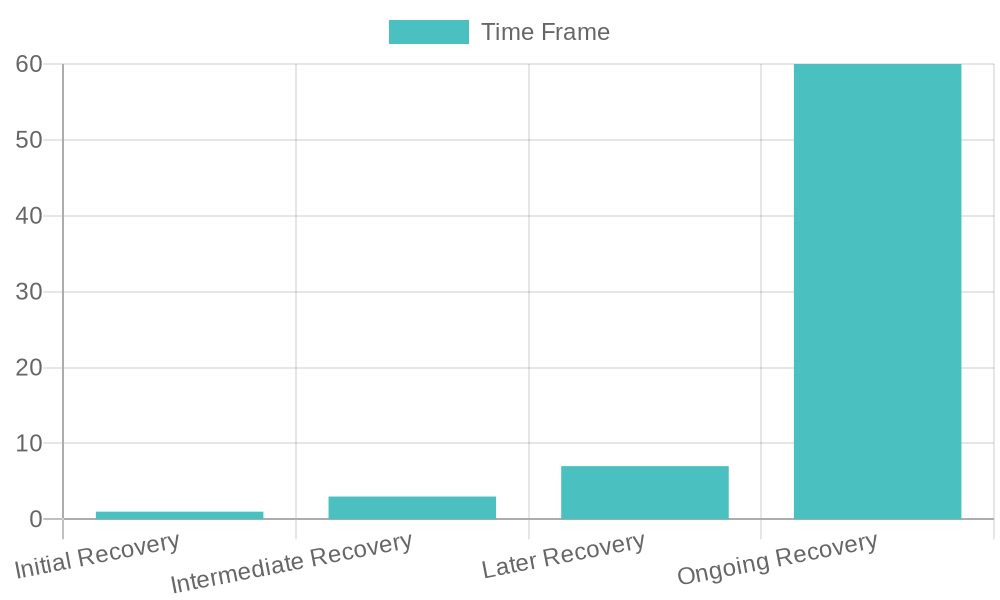
This chart outlines the recovery stages for patients undergoing outpatient cosmetic surgeries, showcasing expected milestones and indicators for seeking medical advice during recovery.
| Recovery Phase | Time Frame | Expected Milestones | When to Seek Medical Advice |
|---|---|---|---|
| Initial Recovery | First Week |
|
|
| Intermediate Recovery | Weeks 2–4 |
|
|
| Later Recovery | Weeks 4–8 |
|
|
| Ongoing Recovery | 2 Months and Beyond |
|
|
Sources:
In recent years, the allure of outpatient cosmetic surgery, including procedures like facelift, rhinoplasty, eyelid surgery, and neck lift, has surged, drawing countless individuals eager to enhance their appearances with minimal downtime.
With promises of quick recovery and dramatic transformations, patients are increasingly attracted to these procedures. However, this trend raises critical concerns regarding medical malpractice and patient safety that must not be ignored. As cosmetic surgery chains proliferate, many prioritize profit over patient welfare, leading to alarming reports of inadequate postoperative care.
Patients seeking cosmetic enhancements have faced dire consequences, from severe complications to even fatalities, due to negligence and insufficient safety protocols. Investigations into cosmetic surgery practices have unveiled a disturbing pattern of malpractice lawsuits and substandard care that jeopardizes patient safety.
Therefore, it is essential for prospective patients to approach these procedures with caution and a thorough understanding of the risks involved. Education and awareness are imperative in empowering individuals to make informed decisions about their cosmetic surgery journeys. Ensuring one’s safety while navigating this burgeoning industry should be of paramount importance; only through well-informed choices can patients mitigate the risks associated with outpatient cosmetic surgery and strive for the outcomes they desire.
Credible External References Related to Outpatient Cosmetic Surgery
-
Malpractice Rates in Cosmetic Surgery
- A study published in PubMed reviewed 64 malpractice cases involving cosmetic procedures performed by non-plastic surgeons, revealing that permanent injury or disfigurement was a prevalent allegation: Out-of-scope Cosmetic Surgery: A Review of Malpractice Lawsuits against Nonplastic Surgeons
- Another systematic analysis spanning 40 years found significant trends in litigation outcomes in aesthetic plastic surgery, emphasizing the need for informed consent: Litigation in Aesthetic Plastic Surgery (1982-2022)
-
Postoperative Recovery Care
- Research published in PubMed indicated low readmission rates post-outpatient cosmetic surgeries, enhancing the understanding of safety and efficacy: A comparative analysis of readmission rates after outpatient cosmetic surgery
- Another relevant study highlighted the importance of personalized postoperative recovery plans for better patient outcomes: Postoperative Recovery: Experiences of Patients Who Have Undergone Orthopedic Day Surgery
-
Safety Protocols in Outpatient Cosmetic Surgery
- Recommendations for ensuring safety in outpatient procedures include proper patient selection, accredited surgical facilities, anesthesia considerations, and postoperative care outlined by the American Society of Plastic Surgeons: Patient Selection for Outpatient Surgery
- Guidelines stressing care processes and the role of accredited centers in reducing surgery-related risks: Cosmetic Special Topic on Patient Safety
Your Trusted Partner in Cosmetic Surgery
As you consider enhancing your appearance with cosmetic procedures, it’s essential to have a trustworthy and qualified professional by your side. Introducing Dr. Gorkem Atsal, a board-certified facial plastic surgeon based in Istanbul, Turkey. Dr. Atsal is renowned for his expertise in facial surgeries and his commitment to patient safety and satisfaction.
Turkey has emerged as a leading destination for medical tourism, especially for cosmetic surgery, thanks to its high standards of care, experienced specialists, and competitive pricing. Choosing to undergo your cosmetic procedures in Istanbul not only offers you world-class facilities but also allows you to enjoy the rich culture and beauty of this historic city while you recover.
If you’re ready to take the next step, we invite you to arrange a personalized consultation with Dr. Gorkem Atsal. Whether you prefer to meet in-person or would like to schedule an online consultation, your journey towards achieving your aesthetic goals begins here.
Explore your options and learn more about Dr. Gorkem Atsal’s services through the official clinic website here. For those interested in support for medical travel, our trusted medical tourism partner can assist you with all arrangements for your trip to Turkey. Visit their site to learn more.
Make the Move Today!
Don’t wait to find out what you can achieve through expert cosmetic procedures in a safe and welcoming environment. Contact us today to set up your consultation!
| Statistic | Description |
|---|---|
| Total Cosmetic Procedures Performed | Over 300,000 cosmetic procedures conducted by Sono Bello |
| Malpractice Cases Filed | Patients filed 7 malpractice cases against Sono Bello in September, each from a different state |
| Complication Rate | 0.78% complication rate reported in a study of over 26,000 outpatient plastic surgery procedures |
| Emergency Department Visits for Liposuction | 24% of complaints linked to unplanned emergency department visits in 246,119 cases studied |
| Permanent Injury or Disfigurement | 21.4% of malpractice cases involved allegations of permanent injury or disfigurement |
| Failure to Obtain Informed Consent | 14.3% of cases stemmed from failures in obtaining informed consent |
| Major Complication Rates (Accredited Facilities) | Approximately 1.3% major complication rate |
| Importance of Postoperative Care | Effective postoperative care can reduce complications significantly, including risks like venous thromboembolism |
Patient Suitability & Safety
Who is Suitable for Outpatient Cosmetic Surgery?
When considering outpatient cosmetic surgery, it’s critical to assess both physical and psychological factors that contribute to a patient’s suitability for these procedures:
- Physical Health: Candidates should ideally be in good overall health. Relevant considerations include:
- Absence of underlying conditions like heart disease, uncontrolled diabetes, or bleeding disorders.
- Importance of proper weight stability, as drastic weight changes can negatively affect surgical outcomes.
- Generally, younger patients tend to heal faster and have a more favorable outlook on their surgical results.
- Psychological Preparedness: The mental health of the candidate is another crucial aspect. Important points include:
- Patients facing conditions such as depression or anxiety may hold unrealistic expectations or may be more prone to dissatisfaction after surgery.
- Thorough pre-operative psychological evaluations are essential to ensure candidates are prepared for the surgical journey and the realities of recovery.
Essential Safety Precautions
Ensuring safety in outpatient cosmetic surgery involves strict adherence to various measures:
- Pre-Operative Evaluations: A comprehensive evaluation, including a thorough medical and psychological history, is essential.
- Informed Consent: Patients need to be thoroughly educated about the procedure, including potential risks and complications, ensuring that they provide informed consent before proceeding.
- Accreditation of Facilities: It is crucial that the facility where the surgery will take place is accredited. Higher safety standards are maintained in accredited facilities compared to non-accredited centers.
- Recovery Planning: A structured recovery plan detailing postoperative care should be established. A supportive environment is essential for a smooth recovery.
- Postoperative Follow-Up Care: Regular follow-ups are critical for monitoring recovery and addressing any complications early to ensure a safe outcome.
By considering these factors, prospective patients can feel more confident navigating outpatient cosmetic surgery while prioritizing safety and making informed choices.
In summary, while outpatient cosmetic surgery may offer significant benefits, it is vital for patients to remain vigilant about the associated risks. Understanding the potential for malpractice and the importance of choosing accredited facilities cannot be overstated.
Comprehensive postoperative care and education will empower patients to make informed decisions, thus ensuring their safety and satisfaction throughout their surgical journey. Being aware of these issues can help individuals navigate the complexities of cosmetic procedures and seek the quality care they deserve.
