

The Allure of Rhinoplasty in Turkey: A Global Perspective
Rhinoplasty, often referred to as a nose job, has become one of the most sought-after cosmetic procedures worldwide. Its ability to enhance facial harmony and boost self-confidence draws individuals from various corners of the globe, yet one nation stands out as a premier destination: Turkey. Renowned for its advances in medical tourism, Turkey offers a unique blend of exceptional surgical expertise and attractive travel opportunities.
As the demand for rhinoplasty continues to surge, the importance of choosing a skilled surgeon cannot be understated. A well-experienced surgeon not only ensures a successful aesthetic result but also addresses the functional considerations of the nasal structure. Consequently, Turkey’s medical facilities, manned by highly qualified professionals, have become a sanctuary for those seeking top-tier rhinoplasty services.
The country boasts a plethora of board-certified plastic surgeons equipped with the latest techniques and technologies. Many surgeons have international reputations, having trained abroad and performed procedures on a global scale. With numerous alluring factors such as cost-effectiveness, state-of-the-art facilities, and an enriching cultural experience, patients often find their journey towards achieving the ideal nose is combined with an exciting adventure.
In this article, we will explore the essential considerations in selecting a rhinoplasty surgeon in Turkey and why the combination of surgical excellence and cultural appeal makes it a top choice for medical tourists.
Medical Explanation of Rhinoplasty
Rhinoplasty, known as a nose job, is a surgical procedure that reshapes the nose. This procedure can improve both its appearance and function. There are two main types of rhinoplasty: primary and revision.
Primary rhinoplasty is for those who have never had nose surgery before. Revision rhinoplasty is for individuals needing correction after a previous surgery. This type often involves complicated changes to the nasal structure and has more risks due to scar tissue. Because of these complexities, it is important to choose a skilled and experienced surgeon to get the best results.
Common Techniques in Rhinoplasty
- Open Rhinoplasty: This technique requires incisions on the columella, which provides better visibility for surgeons. It is best for patients who need significant reshaping.
- Closed Rhinoplasty: This method keeps all incisions inside the nostrils, which means no visible scars. It is suitable for minor adjustments.
- Preservation Rhinoplasty: This modern technique focuses on keeping the nose’s natural shape while making subtle changes. It emphasizes reducing bumps without disrupting the nasal framework.
- Revision Techniques: In these cases, surgeons might need to use grafts from other parts of the body because of changes from previous operations.
- Reference: PubMed
Importance of a Skilled Surgeon
Choosing a qualified surgeon is essential for safety and achieving good aesthetic outcomes in rhinoplasty. A board-certified plastic surgeon should have a thorough understanding of nasal anatomy and facial aesthetics. Good communication between the patient and surgeon is crucial. It ensures that expectations are clear and can help minimize the need for future revisions. This is very important, especially with revision rhinoplasty, which can be quite complex.
- Reference: Harris Facial Plastics
Research shows that experienced surgeons who use advanced techniques often achieve better outcomes for their patients. Thus, careful selection of a surgeon is vital. Factors that affect patient satisfaction should be carefully evaluated before surgery to minimize complications.
In conclusion, rhinoplasty is a complex procedure requiring both surgical expertise and an understanding of individual patient needs. Choosing the right technique and surgeon is crucial to achieving the best results possible.
Patient Suitability and Safety in Rhinoplasty
Rhinoplasty, while a common cosmetic procedure, requires careful consideration of various factors to determine patient suitability. Major considerations include:
Factors Influencing Patient Suitability
- Medical History: A detailed medical history is critical. Patients with existing health issues such as uncontrolled diabetes, bleeding disorders, or respiratory problems may face greater risks during surgery. Additionally, past nasal injuries or surgeries can complicate the procedure.
- Age: Candidates for rhinoplasty should typically be at least 15 years old for females and 17 years old for males. This age threshold accounts for physical maturity, ensuring that the nose is fully developed before undergoing surgical alterations.
- Psychological Preparedness: Realistic expectations are essential. Candidates must understand what rhinoplasty can achieve and the limitations. Psychological evaluations may help gauge readiness for surgery, as those with body dysmorphic disorders may not be suitable candidates.
- Lifestyle Factors: Smoking and substance use can hinder healing and affect surgical outcomes. Surgeons often recommend that candidates stop smoking at least a few weeks before surgery to reduce risks.
- Physical Health: A thorough medical assessment is necessary to ensure that patients are fit for surgery. Conditions affecting heart, lungs, or other vital systems should be evaluated before proceeding.
Safety Protocols in Rhinoplasty
- Comprehensive Pre-operative Assessment: A thorough evaluation, including lab tests, imaging, and consultation, must take place. This assessment helps highlight any potential complications and ensures the patient is fully ready for surgery.
- Infection Prevention: Surgeons should use sterile instruments and maintain a sterile environment to minimize the risk of post-operative infections. Prophylactic antibiotics may be prescribed prior to surgery as a precaution.
- Anesthesia Safety: Qualified anesthetists must administer anesthesia, continuously monitoring the patient. Understanding the patient’s history and individual responses to anesthetics is crucial.
- Post-operative Care: Proper aftercare is fundamental. Surgeons should provide clear guidelines for recovery, signs of complications, and follow-up appointments to monitor the healing process.
- Emergency Preparedness: Surgeons should be prepared to manage any emergencies arising during or post-surgery, including having access to emergency medications and resuscitation equipment.
By carefully evaluating patient factors and adhering to strict safety protocols, surgeons can significantly minimize risks associated with rhinoplasty and improve patient satisfaction with the outcomes.
| Factor | Primary Rhinoplasty | Revision Rhinoplasty |
|---|---|---|
| Indications | Initial nose shaping or correction of aesthetic concerns | Correction of issues from previous rhinoplasty |
| Goals | Enhance facial harmony, improve function | Address deformities, scar tissue, and function |
| Expected Recovery | 1 to 2 weeks for initial healing; full swelling may last months | 2 to 4 weeks for initial healing; may take longer due to complexity |
| Complexity | Generally less complex than revision procedures | More complex due to anatomical changes and scar tissue |
| Surgeon’s Expertise | Requires skilled surgeon but typically needs less experience | Requires highly specialized and experienced surgeon |
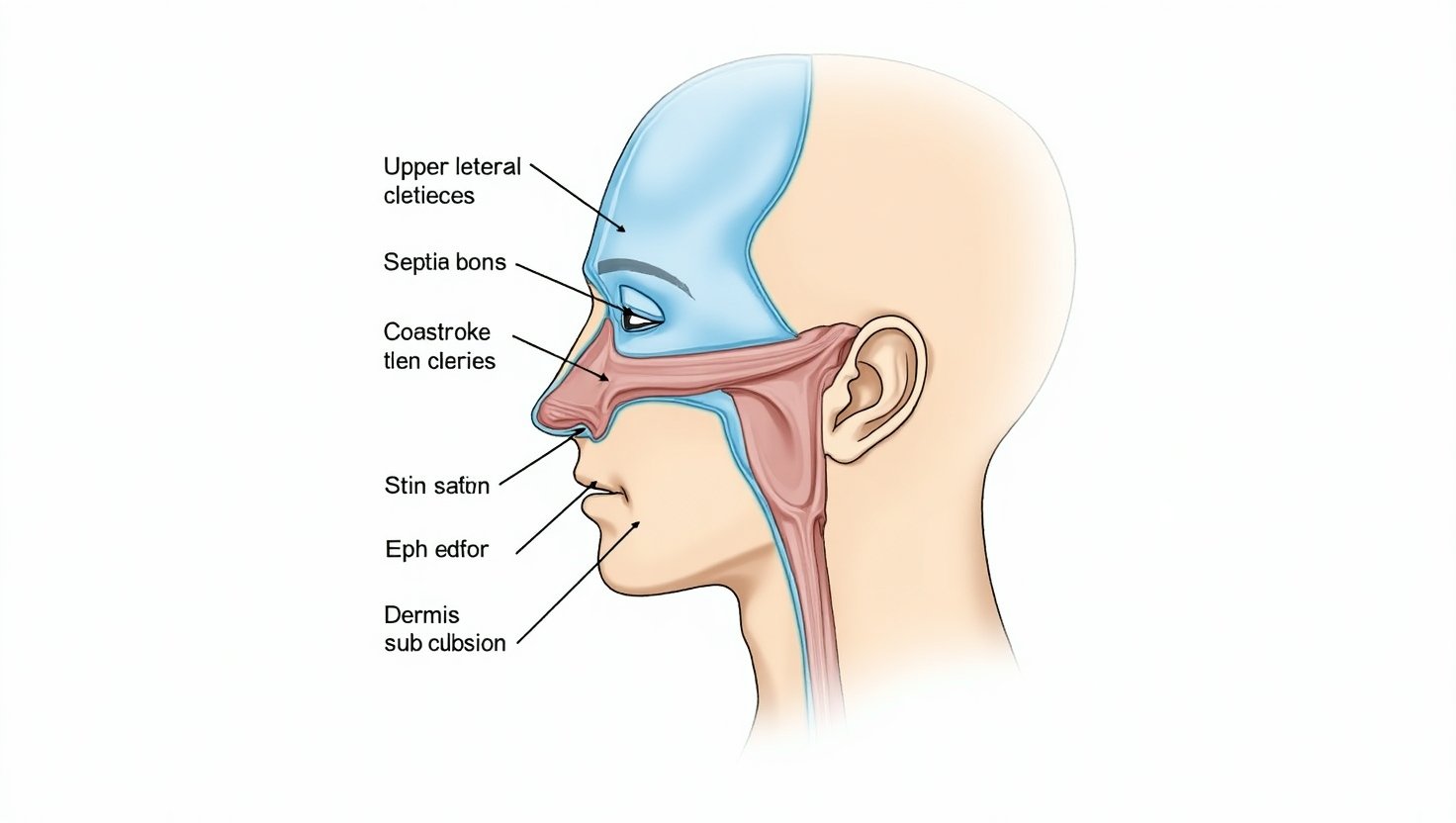
When considering rhinoplasty, it is crucial to understand the services offered by experienced surgeons like Dr. Gorkem Atsal, who specializes in rhinoplasty and related facial procedures. Consulting a surgeon with a strong background in reconstructive anatomy will enhance the overall success of the operation and address both aesthetic goals and functional concerns of the nasal structure. Understanding surgical techniques and approaches, such as open rhinoplasty and preservation rhinoplasty, can significantly influence the outcome.
It’s important to evaluate the surgeon’s experience and approach during initial consultations to foster a collaborative patient-surgeon relationship. For those seeking exceptional care in rhinoplasty including both primary and revision procedures, Dr. Gorkem Atsal can offer tailored solutions that ensure patient safety and satisfaction throughout the process.
In addition, exploring Dr. Gorkem Atsal’s services can provide further insight into additional options, including gynecomastia surgery and comprehensive post-operative care that focuses on achieving optimal results. Understanding the full range of services available can aid significantly in one’s surgical journey.
In summary, choosing the right surgeon goes beyond basic qualifications. By considering aspects such as specialization, patient safety, and clear communication, individuals can ensure their rhinoplasty experience aligns with their aspirations.
Key Considerations for Choosing a Rhinoplasty Surgeon
To ensure the best outcomes in your rhinoplasty journey, consider the following essential points:
- Credentials and Experience: Check for board certification, specialization in rhinoplasty, and years of practice.
- Patient Reviews: Look for testimonials and before-and-after photos from previous patients.
- Surgical Approach: Understand the techniques used, such as open or closed rhinoplasty, and how those align with your needs.
- Safety Protocols: Confirm that the surgeon follows stringent pre-operative assessments and post-operative care guidelines.
- Communication: Ensure the surgeon is approachable and willing to address questions and concerns thoroughly.
These considerations will provide a structured approach to selecting a qualified surgeon and enhance your confidence in the surgical process.
References from PubMed
- Alar soft-tissue techniques in rhinoplasty: An algorithmic approach, quantifiable guidelines, and scar outcomes from a single surgeon experience. Learn more about surgical techniques and their outcomes in this PubMed study.
- Nose reshaping (rhinoplasty): A comprehensive overview of the rhinoplasty consultation process, including initial assessments, surgical techniques, and recovery.
- Patient Information Leaflet: A guide provided by the Royal United Hospitals Bath regarding rhinoplasty procedures and pre-operative considerations can be found here.
- Discharge Advice after Rhinoplasty: Information on post-operative care and recovery procedures can be accessed through this patient information document.
These references provide valuable insights into the techniques, safety, and consultation processes involved in rhinoplasty, aligning with the medical explanations detailed in the article.
Consider Consulting Dr. Gorkem Atsal for Your Rhinoplasty Needs
As you contemplate the transformative journey of rhinoplasty, consider Dr. Gorkem Atsal, a board-certified facial plastic surgeon based in Istanbul, Turkey. Dr. Atsal’s extensive experience in rhinoplasty and passion for delivering aesthetically pleasing results make him an ideal choice for patients seeking cosmetic enhancement. Turkey, and especially Istanbul, has established itself as a leading destination for rhinoplasty, combining top-notch medical expertise with an enriching cultural experience.
Patients can expect personalized consultations, whether online or in-person, guiding them through the entire process while addressing their unique concerns and aspirations. With Dr. Atsal’s dedication to excellence, you can take comfort in knowing that your nasal surgery will be carried out with precision, care, and a keen focus on achieving natural-looking results.
Embarking on this journey is a significant step toward enhancing your appearance and confidence. Take the opportunity to explore what Istanbul has to offer and connect with Dr. Atsal to discuss how he can help you achieve the nose of your dreams. Schedule your consultation today and begin your path to renewed self-esteem and facial harmony.
- Introduction Section: Include the phrase ‘cosmetic surgery’ to explain the popularity of rhinoplasty.
Revised Excerpt: “Rhinoplasty, often referred to as a nose job, has become one of the most sought-after cosmetic surgery procedures worldwide.” - Medical Explanation Section: In addition to the existing technical descriptions, mention ‘nasal surgery’ when explaining the two main types of procedures.
Revised Excerpt: “Rhinoplasty, known as a nose job, is a surgical procedure that reshapes the nose. This nasal surgery can improve both its appearance and function.” - Patient Suitability & Safety Section: Utilize ‘beauty standards’ when discussing psychological preparedness to emphasize the importance of realistic expectations.
Revised Excerpt: “Candidates must understand what rhinoplasty can achieve in accordance with current beauty standards and the limitations that may affect their decisions.” - Patient Guidance Section: Add ‘cosmetic surgery’ when summarizing the surgeon’s qualifications.
Revised Excerpt: “Understanding surgical techniques and approaches can significantly influence the outcome of cosmetic surgery, particularly in rhinoplasty.” - CTA Section: Use ‘cosmetic surgery’ and ‘beauty standards’ to connect the surgeon’s expertise with patient aspirations.
Revised Excerpt: “Dr. Atsal’s extensive experience in cosmetic surgery and dedication to meeting the evolving beauty standards of patients make him an exceptional choice.”
By incorporating these keywords naturally throughout the article, the overall readability and SEO visibility will greatly improve, ensuring the content remains engaging and informative.
Frequently Asked Questions (FAQ) About Rhinoplasty
-
What is rhinoplasty?
Rhinoplasty, commonly known as a nose job, is a surgical procedure aimed at reshaping the nose to improve its appearance and functionality. It can address various aesthetic issues such as size, shape, and profile, and can also correct nasal structures for better airflow.
-
Who is a suitable candidate for rhinoplasty?
Ideal candidates for rhinoplasty are those who are physically healthy, have completed nasal development (generally at least 15 for females and 17 for males), and have realistic expectations about the results. A comprehensive medical consultation will determine individual suitability.
-
How long does the recovery process take?
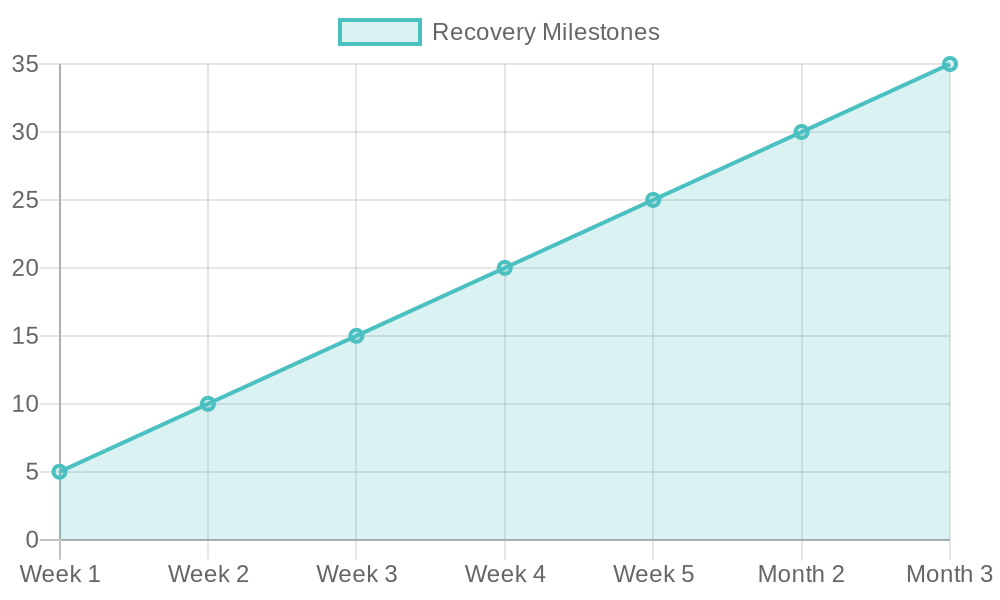
Recovery times can vary depending on the individual’s condition and the complexity of the surgery. Generally, initial recovery takes 1 to 2 weeks, during which most swelling and bruising subside. However, full recovery and achieving the final results can take several months.
-
What are the risks associated with rhinoplasty?
As with any surgical procedure, rhinoplasty carries potential risks, including infection, bleeding, scarring, and dissatisfaction with the aesthetic results. Choosing a qualified and experienced surgeon can significantly mitigate these risks.
-
How can I manage pain post-surgery?
Pain management is an essential aspect of recovery. Most patients report experiencing some discomfort after the procedure, which can be managed with prescribed medications. Your surgeon will provide specific instructions on pain management during the recovery phase.
-
Can I return to normal activities after surgery?
While light activities can usually be resumed within a week, it is advised to avoid vigorous exercises and activities that risk trauma to the nose for several weeks post-surgery. Your surgeon will guide you on when it is safe to return to your normal routine.
-
What results can I expect from rhinoplasty?
The results of rhinoplasty can vary widely among individuals, depending on the specific conditions of the nose and the surgical techniques used. Most patients experience improved nose shape and facial harmony, but it can take time for swelling to subside and the final outcome to be visible.
-
Will I have visible scars?
Scarring depends on the technique used during rhinoplasty. Open rhinoplasty may result in small, visible scars on the columella (the skin dividing the nostrils), while closed rhinoplasty generally leaves no visible scars. Skilled surgeons work to minimize scarring effectively.
These are common questions that many patients have before undergoing rhinoplasty. Addressing concerns and clarifying expectations ensures a better understanding of the procedure and helps foster a positive surgical experience.
